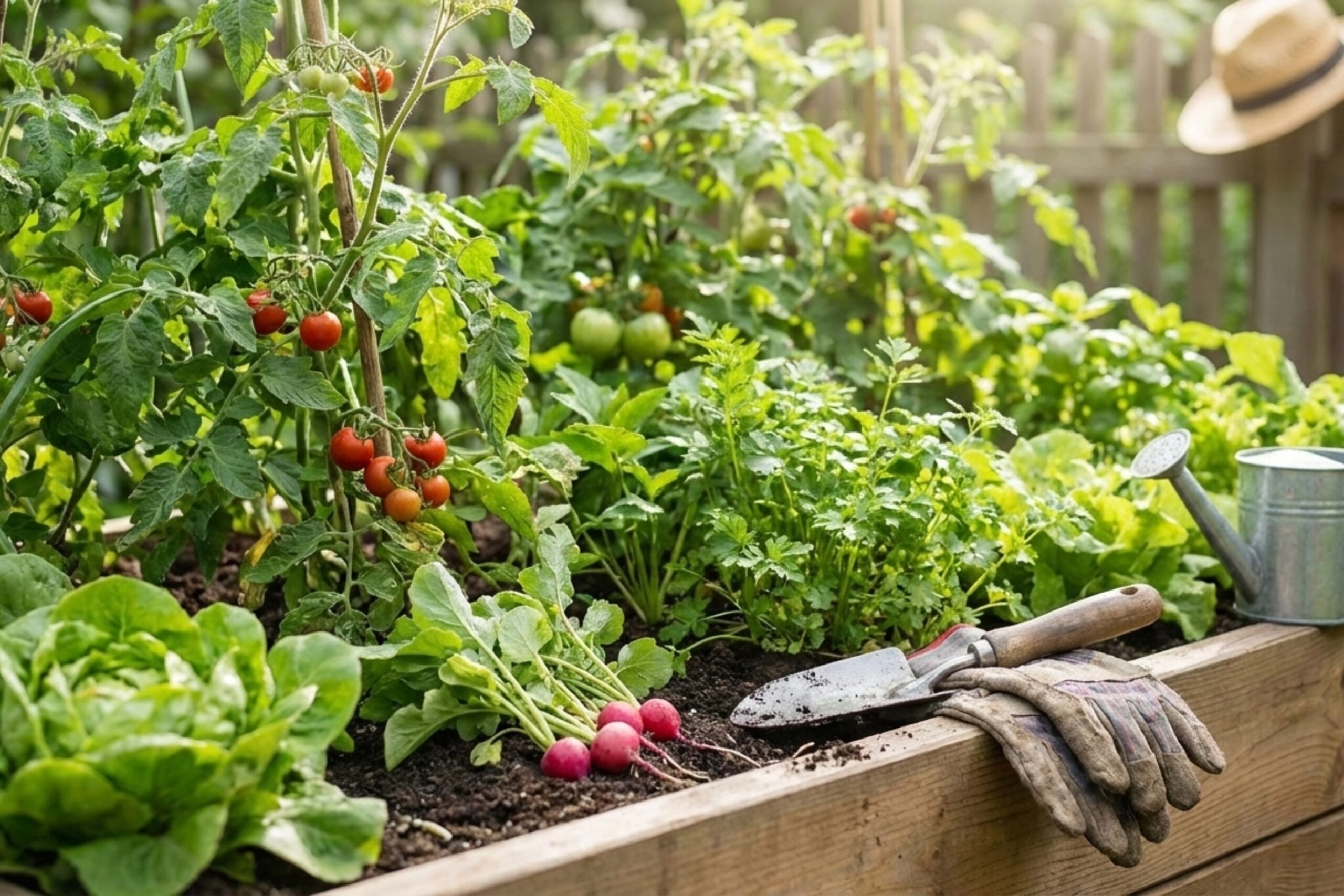


In a world where convenience often outweighs sustainability, growing your own fruits and vegetables may seem like a relic of the past. But as environmental awareness grows and concerns over food quality and climate change deepen, the practice of home gardening is making a powerful comeback—and for good reason.
Growing your own produce is one of the most effective ways to reduce your environmental impact, improve your diet, and reconnect with the rhythms of nature. Whether you have a large backyard, a modest patio, or just a sunny windowsill, cultivating fruits and vegetables at home offers numerous benefits that extend well beyond the kitchen.
A Sustainable Solution to Food Production
The modern global food system is vast, complex, and resource-intensive. Fresh produce, often grown thousands of miles away, travels long distances through a supply chain that consumes enormous amounts of fuel and energy. According to research, transportation alone accounts for approximately 19% of all greenhouse gas emissions associated with the global food system.
By growing your own vegetables and fruits, you eliminate the need for packaging, shipping, and refrigeration—dramatically reducing the carbon footprint of your meals. It’s a direct and tangible way to lower your reliance on industrial agriculture and the fossil fuels that power it.
In addition to environmental concerns, home gardening also promotes more ethical food systems. You control what goes into your soil, which means you can avoid synthetic pesticides and fertilizers, support pollinators, and nurture healthy, regenerative soil practices in your own backyard.
Healthier Food, Right Outside Your Door
The benefits of homegrown produce aren’t just environmental—they’re personal, too.
Fresher and More Nutritious
When you grow your own food, it often goes from plant to plate in minutes. The freshness alone translates to better flavor and higher nutritional value. Many store-bought vegetables lose nutrients during long transport and storage times. Homegrown food, harvested at its peak, retains more of its vitamins, minerals, and antioxidants.
No Hidden Chemicals
You control your growing environment. That means no exposure to synthetic pesticides, herbicides, or genetically modified organisms (GMOs), unless you choose them. You can grow organically, use natural composts, and create a healthier plate for yourself and your family.
Encourages Healthy Eating
Gardeners tend to eat more vegetables simply because they have them on hand. Watching a tomato ripen or a row of lettuce thrive provides natural motivation to include more plant-based foods in your diet.
Personal Rewards: Mindfulness, Therapy, and Self-Sufficiency
Gardening isn’t just good for your body and the planet—it’s good for your mind. Many people discover that the time spent tending to plants becomes a form of therapy.
Mental and Emotional Benefits
Spending time in nature has been shown to reduce stress, anxiety, and depression. The act of planting, watering, and harvesting is inherently grounding. It provides a sense of accomplishment and encourages mindfulness in a fast-paced, digital world.
A Skill that Builds Resilience
Knowing how to grow your own food increases your independence and resilience, particularly in times of uncertainty or supply chain disruptions. Even a small garden can supplement your diet, reduce grocery bills, and give you a sense of control over your food supply.
Community and Family Connections
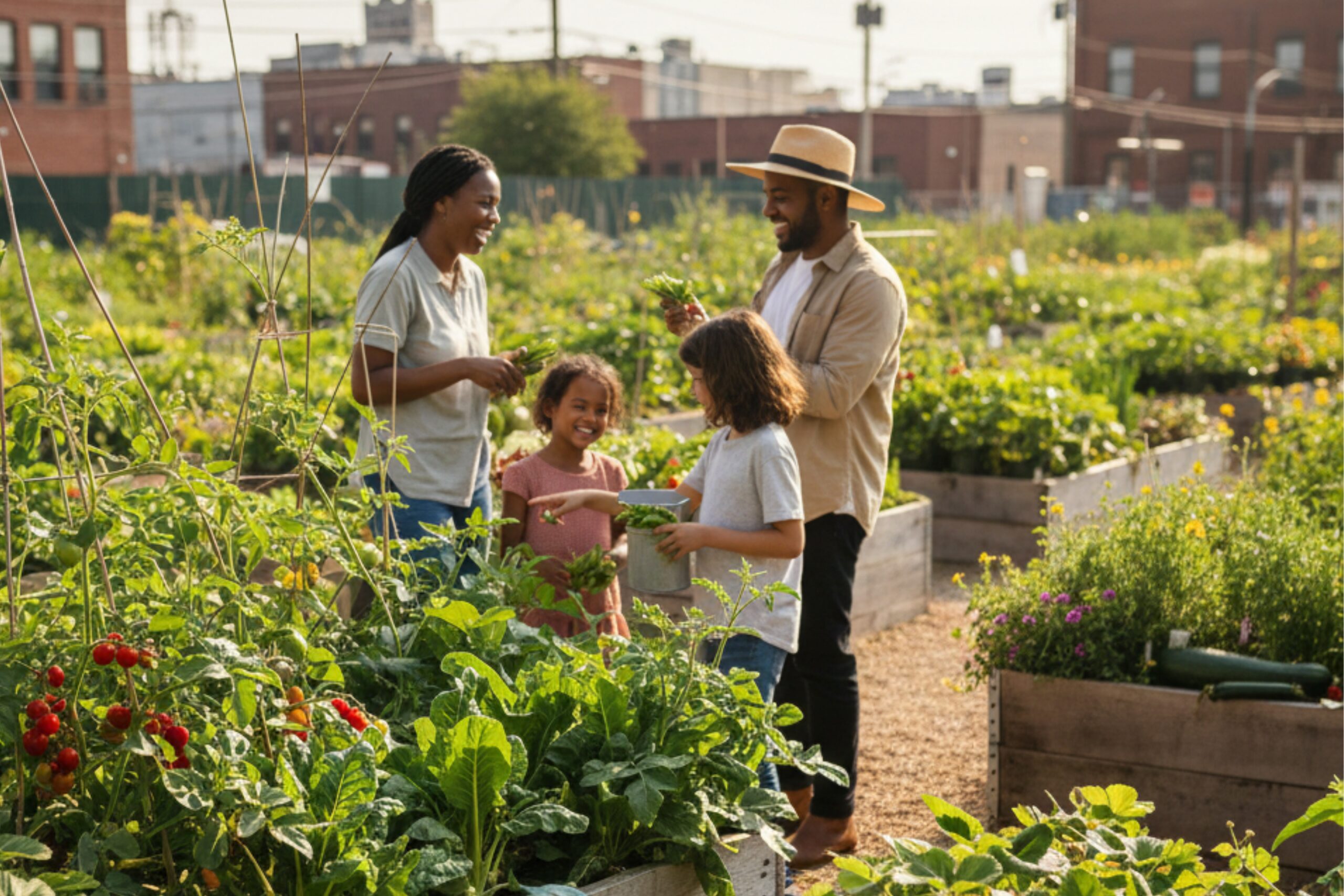
Gardening can become a shared activity with children, neighbors, or community groups. It’s an opportunity to pass down knowledge, build relationships, and strengthen local food networks.
Starting Your Home Garden: Simple Steps
You don’t need a large plot of land or years of experience to get started. Growing your own vegetables and fruit can be as simple or as expansive as you want it to be.
Start Small
Begin with a few easy-to-grow plants like:
- Tomatoes
- Lettuce or spinach
- Carrots
- Green beans
- Herbs such as basil, parsley, and mint
These plants grow well in containers, raised beds, or small garden patches.
Choose the Right Location
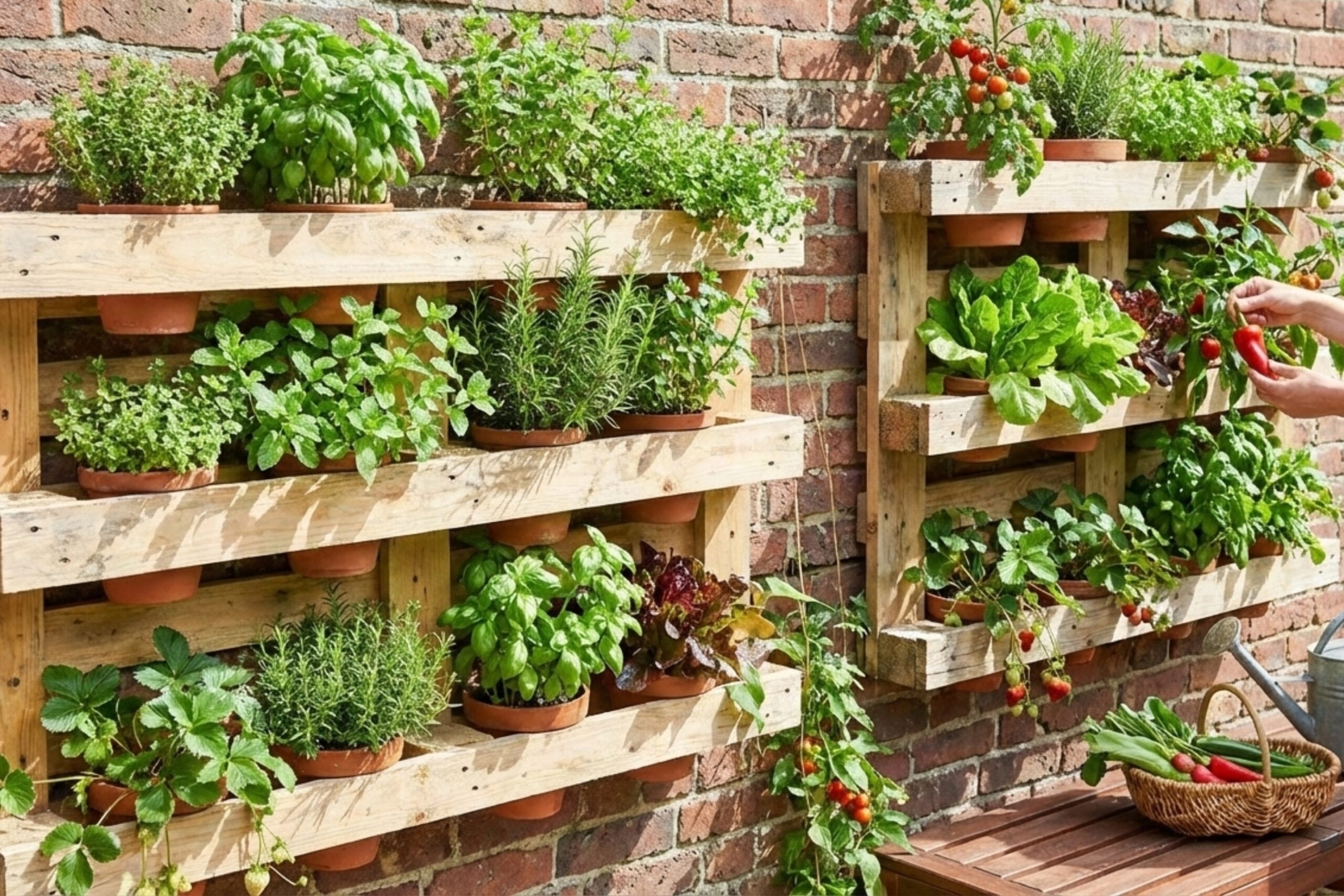
Find a spot that receives at least 6 hours of sunlight daily. If space is limited, consider vertical gardening, hanging baskets, or hydroponic setups for indoor growing.
Use Healthy Soil and Compost
Healthy soil is the foundation of a successful garden. Consider starting a compost bin to recycle kitchen scraps into nutrient-rich soil, further reducing household waste.
Water Wisely
Use rainwater when possible, and water in the early morning or late afternoon to minimize evaporation. Group plants with similar water needs together to maximize efficiency.
Grow Seasonally
Learn which fruits and vegetables thrive in your local climate and plant according to the season. This reduces stress on plants and increases yield.
The Bigger Picture: Local Action with Global Impact
Growing your own food may seem like a small act, but when practiced on a broad scale, it has the potential to shift entire communities toward more sustainable living. By reducing reliance on large-scale agriculture, minimizing waste, and reconnecting with local ecosystems, home gardening becomes a quiet form of resistance to unsustainable systems.
The collective impact of more people growing even part of their food could lead to significant reductions in transportation emissions, chemical runoff, and packaging waste. It also empowers individuals to take control of their nutrition and invest in their local environment.
Thoughts: Growing More Than Just Food
At its core, gardening is about cultivating life. It’s about nurturing growth, developing patience, and embracing sustainability in one of its most basic and rewarding forms. Whether you grow a single tomato plant in a pot or transform your backyard into a productive vegetable patch, every step counts.
By growing your own fruits and vegetables, you’re not just producing food—you’re fostering resilience, promoting health, supporting biodiversity, and reducing your environmental impact. In a world looking for meaningful change, sometimes the most powerful solution is as simple as planting a seed.