


The choices you make in your garden or yard can have a lasting impact on the environment. While traditional landscaping often prioritizes appearance, the plants we choose also shape local ecosystems. One of the most effective ways to create a more sustainable and wildlife-friendly outdoor space is to landscape with native plants.
Native plants are species that evolved naturally within a specific region, climate, and ecosystem over thousands of years. Because of this long adaptation process, they generally thrive with less human intervention, require fewer resources, and support local wildlife. Whether you are an experienced gardener or a first-time homeowner, incorporating native plants into your landscape can create a yard that is both beautiful and ecologically beneficial.
What Are Native Plants?
Native plants are species that occur naturally in a particular region without human introduction. These may include:
- Trees
- Shrubs
- Wildflowers
- Native grasses
- Ground covers
Because they evolved alongside local soils, weather patterns, insects, birds, and wildlife, native plants form important ecological relationships that support healthy ecosystems.
Unlike many non-native ornamental plants, native species are often better suited to local environmental conditions and require fewer added resources once established.
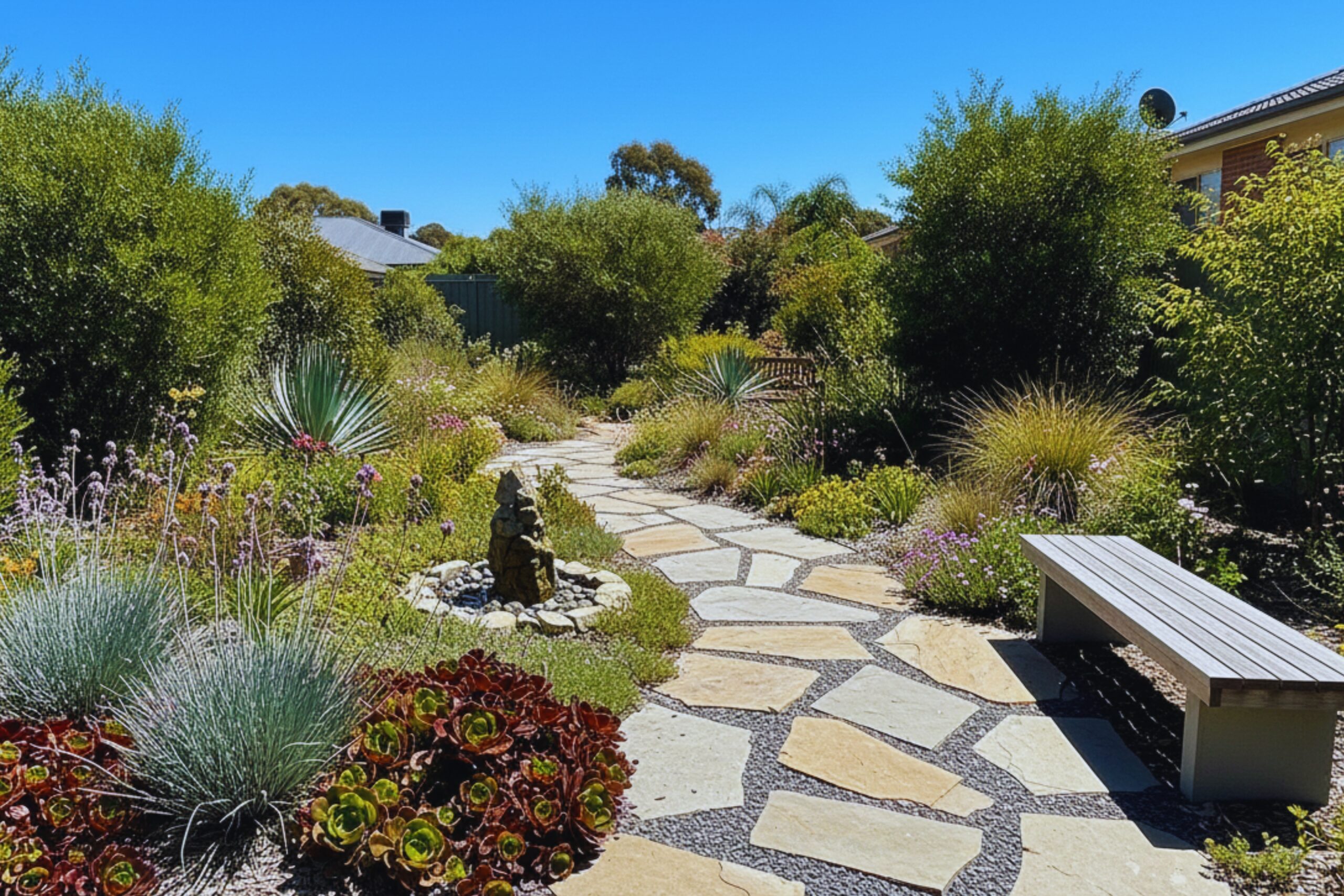
Why Choose Native Plants for Your Landscape?
Landscaping with native plants offers environmental, economic, and practical benefits.
1. Low Maintenance and Resilient
Once established, native plants are often easier to maintain because they are adapted to local growing conditions. Many native species:
- Require less supplemental watering
- Need little or no fertilizer
- Resist many local pests and diseases naturally
- Tolerate regional weather extremes more effectively
This can reduce the need for synthetic chemicals, excess irrigation, and intensive yard maintenance.
- Water Conservation
Traditional turf lawns and some ornamental plants often require large amounts of irrigation. Native plants, particularly drought-tolerant species, can significantly reduce outdoor water use once established.
This makes native landscaping especially valuable in regions experiencing drought, water restrictions, or increasing temperatures due to climate change.
3. Supports Wildlife and Pollinators
One of the greatest benefits of native landscaping is its ability to support biodiversity. Native plants provide food, shelter, and breeding habitat for birds, butterflies, bees, and other pollinators.
Research from entomologist Douglas Tallamy and other ecological studies has shown that native plants support significantly more insect and wildlife species than many non-native ornamental plants.
For example:
- Native milkweed is essential for monarch butterfly reproduction
- Oak trees can support hundreds of species of caterpillars, which are important food sources for birds
By planting native species, homeowners help restore habitat corridors in increasingly developed landscapes.
4. Reduced Pollution and Environmental Impact
Native landscaping can help reduce environmental pollution in several ways:
- Less mowing may reduce emissions from gas-powered lawn equipment
- Reduced fertilizer and pesticide use lowers chemical runoff into waterways
- Deep-rooted native grasses and plants can help stabilize soil and improve stormwater absorption
Healthy native landscapes may also contribute to carbon storage and improved soil health over time.
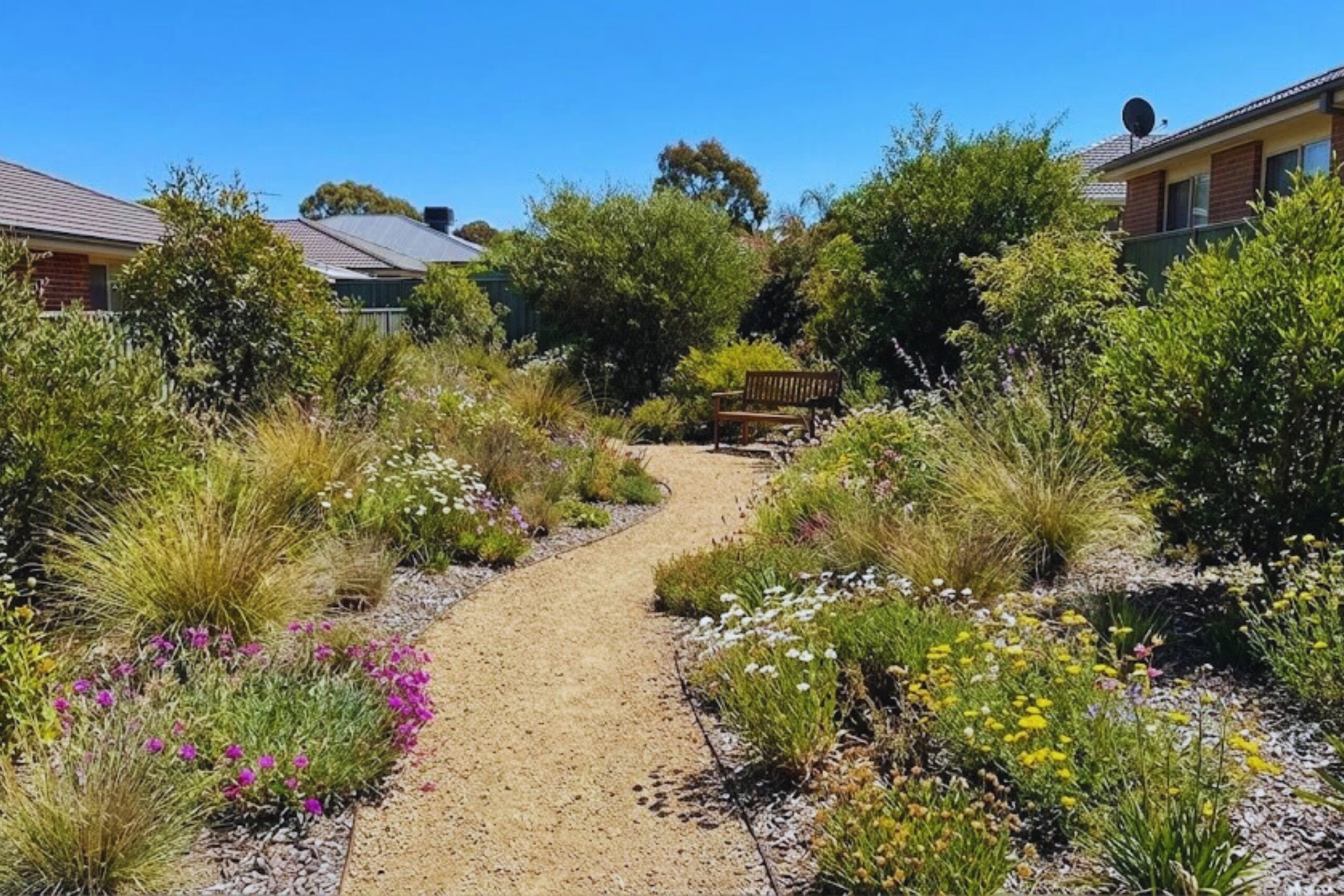
Common Misconceptions About Native Landscaping
Myth: Native gardens look messy or overgrown
Reality: Native landscapes can be designed in formal, modern, naturalistic, or cottage-garden styles. Many native species provide colorful blooms, attractive textures, and year-round visual interest.
Myth: Native plants attract pests
Reality: Native plants attract beneficial insects and pollinators that help maintain ecological balance. While insects are naturally present in healthy ecosystems, many are important for pollination and natural pest control.
Myth: Native plants are difficult to find
Reality: Native plant nurseries and garden centers have become increasingly common. Many universities, extension offices, and native plant societies also provide plant lists and growing guides for local regions.
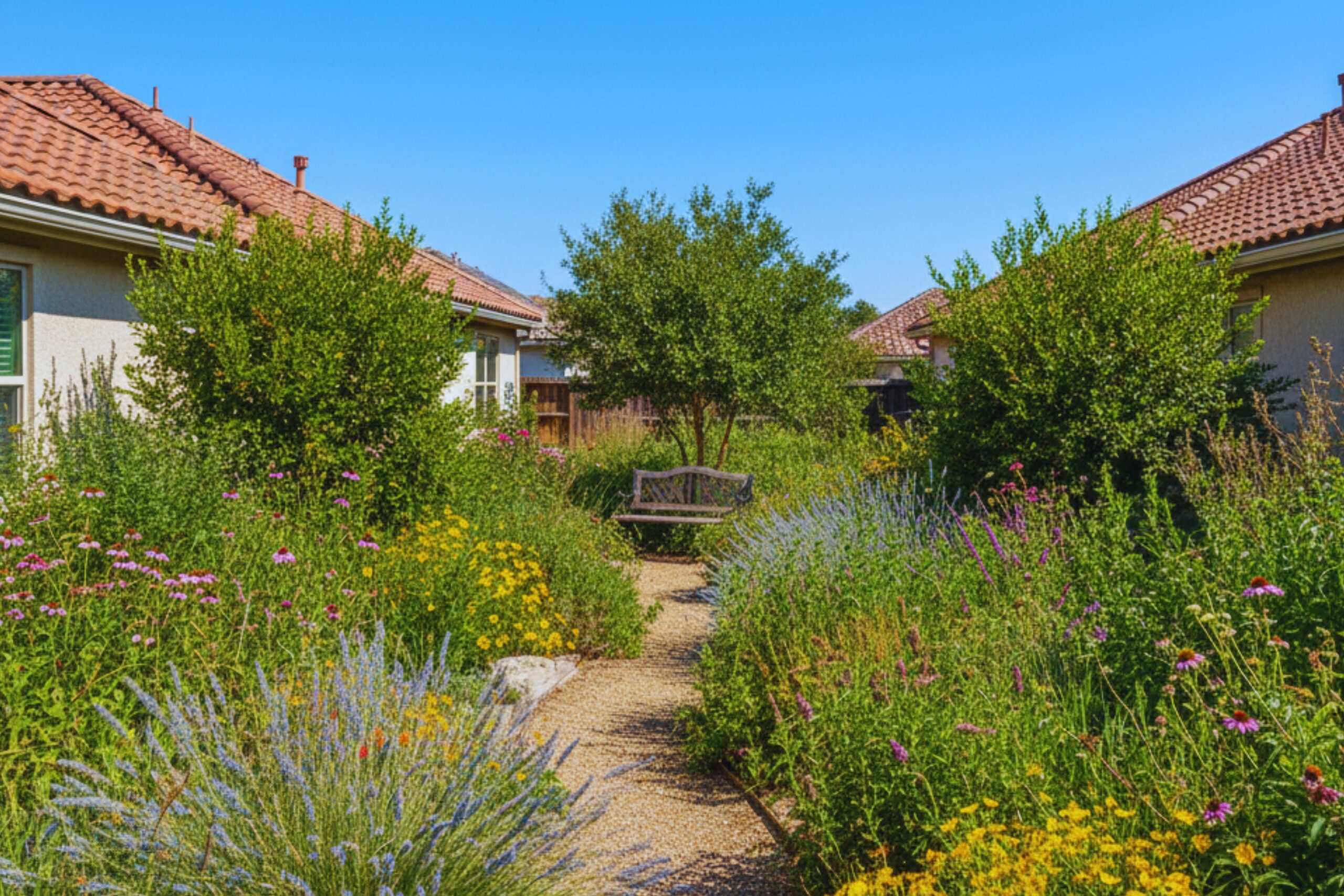
Getting Started with Native Plant Landscaping
You do not need to redesign your entire yard at once. Small changes can still create meaningful ecological benefits.
Step 1: Research Native Plants in Your Region
Use local extension services, botanical gardens, or native plant societies to identify species suited to your climate, soil type, and sunlight conditions.
In Georgia and the southeastern United States, common native landscaping plants include:
- Purple coneflower
- Black-eyed Susan
- Bee balm
- Oakleaf hydrangea
- Switchgrass
- Native asters
- Milkweed
Step 2: Choose a Variety of Plants
A diverse landscape supports more wildlife and creates year-round interest.
Consider including:
- Trees and shrubs for structure and nesting habitat
- Wildflowers for pollinators
- Native grasses and ground covers to reduce lawn space
Diversity also improves ecosystem resilience.
Step 3: Remove Invasive Species Gradually
If your landscape contains invasive or aggressive non-native plants, replace them gradually with native alternatives that provide similar visual appeal or ecological function.
Step 4: Match Plants to Site Conditions
Group plants according to:
- Sunlight requirements
- Soil conditions
- Moisture needs
Most native plants perform best when planted in conditions similar to their natural habitat.
Step 5: Be Patient
Native landscapes often take time to establish fully. During the first few growing seasons, plants focus much of their energy on developing strong root systems.
Long-term benefits typically increase as the landscape matures.
Additional Tips for Success
- Use natural mulch such as shredded bark or leaf litter to retain moisture and suppress weeds
- Avoid excessive fertilizer use
- Leave some seed heads and leaf litter during winter to support birds and overwintering insects
- Add shallow water sources like birdbaths to improve wildlife habitat
Final Thoughts: Landscaping for the Future
Choosing native plants is one of the most accessible and impactful ways to create a more sustainable landscape. Native gardens help conserve water, support wildlife, reduce pollution, and strengthen local ecosystems.
In a time of climate change, habitat loss, and declining biodiversity, even small outdoor spaces can become valuable refuges for nature. Every native flower, shrub, or tree planted contributes to healthier ecosystems and stronger environmental resilience.
Whether you begin with a small pollinator bed or gradually transition your entire yard, native landscaping allows you to work with nature instead of against it.
Your landscape can become more than just a yard—it can become part of a thriving ecosystem.
Resources & References
- University of Georgia Extension – Native Plants for Georgia
https://extension.uga.edu/publications/detail.html?number=B987 - University of Georgia Extension – Sustainable Landscaping Resources
https://extension.uga.edu/topic-areas/home-garden/lawns-and-landscapes.html - State Botanical Garden of Georgia
https://botgarden.uga.edu - Athens-Clarke County Sustainability Office
https://www.accgov.com/sustainability - Lady Bird Johnson Wildflower Center Native Plant Database
https://www.wildflower.org/plants/ - Xerces Society for Invertebrate Conservation – Pollinator and Native Habitat Resources
https://www.xerces.org - National Wildlife Federation – Native Plant Finder
https://nativeplantfinder.nwf.org
