


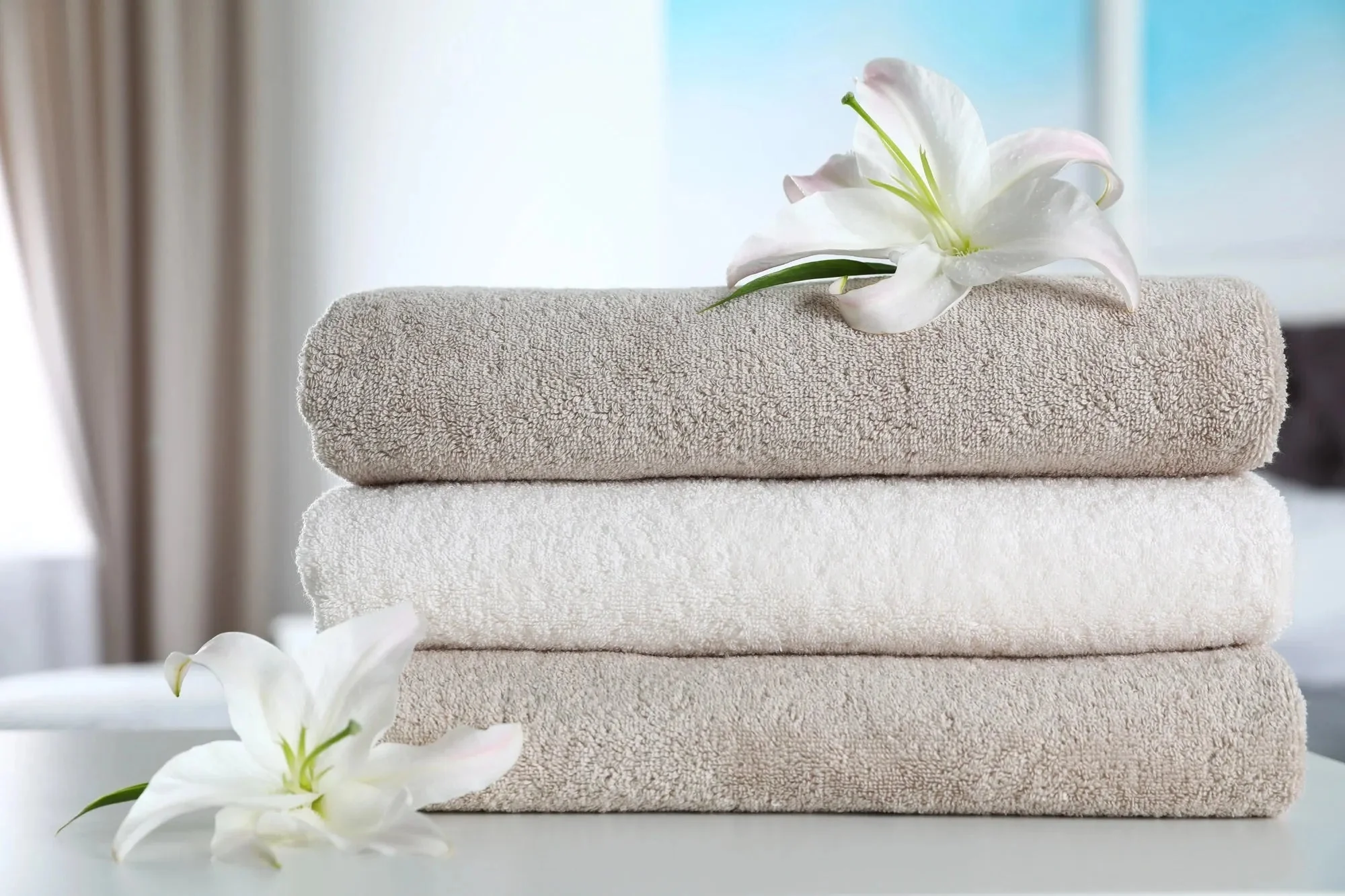
Switch to Cloth Towels: A Small Change That Makes a Big Difference
From kitchen spills to everyday cleanups, paper towels have become a standard convenience in many homes. Most of us reach for them without a second thought. But that convenience comes with a hidden environmental cost—one that affects forests, landfills, water use, and household waste.
If you’re looking for a simple and realistic way to reduce waste at home, switching to cloth towels is one of the easiest changes you can make. It’s affordable, practical, and sustainable, and it aligns with many of the waste reduction efforts being encouraged right here in Athens, Georgia through the University of Georgia and Athens-Clarke County sustainability programs.
The Problem with Paper Towels
Paper towels are designed for single use. Once they wipe up a spill or dry your hands, they are immediately thrown away. While one towel may seem insignificant, the collective impact is enormous.
According to waste reduction guidance from the University of Georgia’s GreenWay program, reducing disposable products and switching to reusable alternatives like cloth towels is one of the best ways households can cut waste before it even reaches the landfill. (UGA Extension)
Athens-Clarke County recycling guidelines also note that paper towels cannot go into standard recycling bins because the fibers are too short to be recycled, especially once soiled. (Athens-Clarke County)
Environmental Impacts of Paper Towels
- More Waste in Landfills
Used paper towels are typically thrown away after a single use and often end up in landfills. - Deforestation
Many paper towels are made from virgin wood pulp, requiring large numbers of trees to be harvested each year. - Energy and Water Use
Manufacturing paper products consumes significant amounts of energy and water. - Transportation Emissions
Disposable paper products must constantly be manufactured, packaged, shipped, stocked, and replaced. - Chemical Processing
Bleaching and processing paper products can contribute to water pollution and chemical waste.
Athens-Clarke County and UGA sustainability programs both emphasize waste reduction and reuse as key parts of building a more sustainable community. (UGA Sustainability)
Why Cloth Towels Are a Better Alternative
Cloth towels can handle nearly every job paper towels can do—and they can be reused hundreds of times.
Whether you use cotton dish towels, microfiber cloths, flour sack towels, or repurposed old t-shirts, reusable cloths help reduce unnecessary waste while saving money over time.
Benefits of Switching to Cloth Towels
1. Reduces Household Waste
Every reusable towel replaces dozens—or even hundreds—of disposable paper towels over its lifetime. This means fewer trash bags, fewer paper products purchased, and less waste sent to landfills.
UGA GreenWay specifically recommends switching from paper towels and napkins to cloth as a practical waste reduction strategy. (UGA Extension)
2. Saves Money
Although cloth towels cost more upfront, they last for years with proper care. Many families find they dramatically reduce or even eliminate their need to buy paper towels regularly.
3. Conserves Natural Resources
Using reusable towels reduces demand for paper manufacturing, helping conserve forests, water, and energy.
4. Works Better for Cleaning
Cloth towels are often more absorbent and durable than paper towels. They can handle larger spills, kitchen cleanup, drying dishes, dusting, and general household cleaning without tearing apart.
5. Encourages Mindful Living
Reusable products encourage people to think more intentionally about consumption and waste. Small changes like this can lead to bigger sustainable habits over time.
Making the Switch Is Easier Than You Think
You do not need to completely eliminate paper towels overnight. A gradual transition works best for most households.
Step 1: Start with What You Already Have
You do not need to buy expensive “eco-friendly” products to begin.
Try using:
- Old t-shirts cut into cleaning cloths
- Extra kitchen towels
- Washcloths
- Reusable microfiber cloths
- Cloth napkins
Reusing existing materials is one of the most sustainable options available.
Step 2: Create a Simple System
Keep reusable towels convenient and accessible.
Try this setup:
- Store clean towels in a basket or drawer
- Keep a small bin or basket for used towels
- Wash towels with regular laundry loads
- Rotate towels throughout the week
When reusable towels are easy to grab, they quickly become second nature.
Step 3: Reduce Paper Towels Gradually
You can begin by using cloth towels for:
- Drying hands
- Wiping counters
- Cleaning spills
- Dusting
- Drying produce
- General kitchen cleanup
Some households choose to keep a small emergency roll of paper towels for pet messes or difficult cleanups while transitioning.
What About the Laundry?
A common concern is whether washing cloth towels uses too much water or energy.
While laundry does require resources, studies consistently show that reusable products generally have a lower environmental impact than constantly manufacturing and disposing of single-use paper products.
You can further reduce impact by:
- Washing towels with regular laundry loads
- Using cold water when possible
- Air drying towels
- Using environmentally friendly detergents
Many cloth towels also do not need to be washed after every single use. Towels used for drying clean hands or wiping a counter can often be reused several times before laundering.
Sustainability Efforts in Athens, Georgia
Athens and the University of Georgia have several programs focused on reducing waste and promoting sustainability.
The UGA Office of Sustainability promotes zero waste initiatives, recycling education, composting, and circular waste reduction programs throughout campus and the local community. (UGA Sustainability)
Athens-Clarke County also operates the Recycle Right Athens Program and the Center for Hard to Recycle Materials (CHaRM) to help residents reduce landfill waste and recycle responsibly. (Athens-Clarke County)
These local efforts reinforce an important message: the most effective waste is the waste we never create in the first place.
Small Changes Add Up
Switching to cloth towels may seem like a minor adjustment, but small daily choices can create meaningful environmental impact over time.
By replacing disposable paper towels with reusable cloth alternatives, you are:
- Reducing landfill waste
- Conserving trees and water
- Cutting down on unnecessary consumption
- Saving money
- Supporting a culture of sustainability
The next time you reach for a paper towel, consider whether a reusable cloth could do the job instead. In most cases, the answer is yes—and that small choice can make a real difference.
Resources and References
- UGA GreenWay – Rethink Waste (UGA Extension)
- UGA GreenWay – Rethink Waste (UGA FACS) (FCS UGA)
- UGA Office of Sustainability – Zero Waste (UGA Sustainability)
- Circular UGA Initiative (UGA Sustainability)
- Athens-Clarke County Recycling & Waste Reduction (Athens-Clarke County)
- Recycle Right Athens Guidelines (Athens-Clarke County)
- CHaRM x UGA – Hard to Recycle Materials Program (Athens-Clarke County)
