


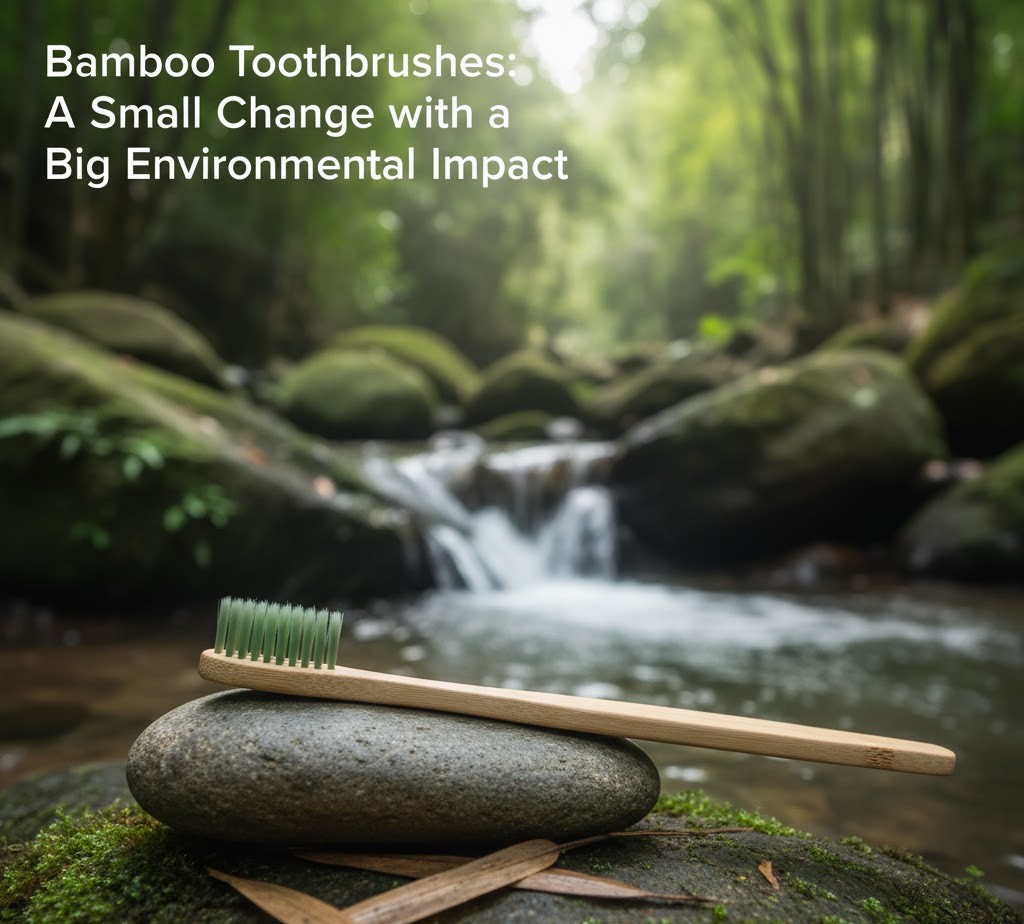
Every morning and night, billions of people reach for the same essential tool: the toothbrush. It’s one of the most routine parts of our lives, so routine, in fact, that we rarely stop to think about what it’s made of or where it ends up.
But here’s the problem: most toothbrushes are made largely from plastic, and nearly all of them end up in landfills, oceans, or other waste streams.
In the United States alone, it’s estimated that more than 1 billion plastic toothbrushes are thrown away every year. That amounts to millions of pounds of plastic waste annually from one small item in your bathroom.
Fortunately, there’s a simple, sustainable alternative that’s just as effective and far better for the planet: the bamboo toothbrush.
Let’s explore why this small swap matters, how bamboo toothbrushes help, and how you can make this easy, eco-friendly switch part of your everyday routine.
The Problem with Plastic Toothbrushes
Traditional toothbrushes are typically made with nylon bristles and polypropylene plastic handles, both derived from fossil fuels. While they are effective at cleaning teeth, they also create long-term environmental waste.
Why Plastic Toothbrushes Are a Problem
- Non-biodegradable – Plastic toothbrushes can take hundreds of years to break down.
- Difficult to recycle – Most municipal recycling centers do not accept toothbrushes because they contain mixed materials.
- Contributors to ocean pollution – Many discarded toothbrushes eventually make their way into waterways and oceans, where marine animals can mistake them for food or become entangled in plastic debris.
Because dentists generally recommend replacing a toothbrush every 3–4 months, most people use around four toothbrushes per year. Multiplied across millions of households, the environmental impact becomes enormous.
Why Bamboo Is a Better Choice
Bamboo toothbrushes offer a more sustainable alternative while still providing the same basic function as traditional toothbrushes.
1. Naturally Biodegradable
Bamboo handles can biodegrade naturally under the right composting conditions once the bristles are removed. Unlike plastic, bamboo does not persist in the environment for centuries.
2. Fast-Growing and Renewable
Bamboo is one of the fastest-growing plants in the world. Some species can grow very rapidly under ideal conditions. It regenerates quickly after harvesting and generally requires fewer chemical inputs than many conventional crops.
3. Lower Environmental Impact
Compared to many industrial materials, bamboo production typically requires less water and fewer pesticides. Bamboo is naturally resilient and can often grow without intensive chemical treatment.
4. Stylish and Functional
Bamboo toothbrushes are lightweight, durable, and visually appealing. Many brands also package them in recyclable or compostable materials, reducing waste even further.
How Switching Helps
Choosing a bamboo toothbrush may seem like a small act, but small actions add up over time.
Reduces Plastic Waste
One person switching from plastic to bamboo toothbrushes can prevent dozens of plastic toothbrushes from entering landfills over their lifetime.
Decreases Demand for Fossil-Fuel-Based Plastics
Reducing reliance on disposable plastics helps decrease demand for petroleum-based manufacturing.
Protects Marine Life
Less plastic waste means fewer harmful materials entering oceans, rivers, and beaches, helping protect marine ecosystems.
Encourages Sustainable Habits
Visible everyday changes, like using a bamboo toothbrush can inspire broader lifestyle shifts toward sustainability.
How to Choose a Good Bamboo Toothbrush
Not all bamboo toothbrushes are created equal. Here are a few things to look for when shopping.
Handle
- 100% bamboo handle
- Smooth finish and comfortable grip
- Sustainably sourced bamboo whenever possible
Bristles
- BPA-free nylon bristles are common
- Some brands offer plant-based or biobased bristles
- Bristles are usually not compostable and should be removed before composting the handle
Packaging
- Plastic-free or recyclable packaging
- Minimal packaging waste
- Compostable paper boxes preferred
Ethical Production
- Brands with transparent sourcing and labor practices
- Companies that support environmental initiatives or carbon-conscious shipping
Caring for Your Bamboo Toothbrush
To extend the life of your bamboo toothbrush:
- Store it upright in a dry, ventilated area
- Avoid leaving it sitting in water
- Replace it every 3–4 months or when the bristles become worn
How to Dispose of It Properly
When it’s time to replace your toothbrush:
- Remove or cut off the bristles.
- Compost the bamboo handle if your local composting system accepts it.
- Alternatively, reuse the handle creatively as a garden marker, cleaning tool, or craft material.
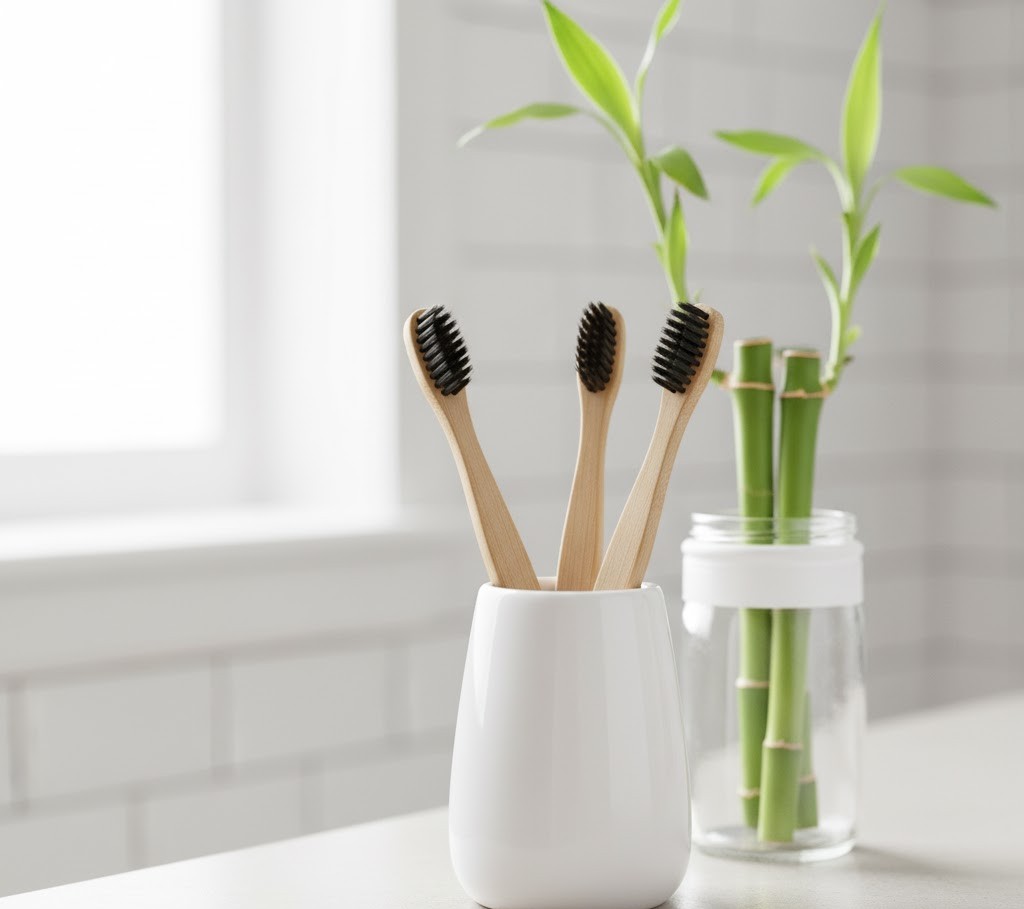
Bamboo as Part of a Low-Waste Lifestyle
A bamboo toothbrush is often the first step toward a more sustainable bathroom routine. It pairs well with:
- Toothpaste tablets or powders
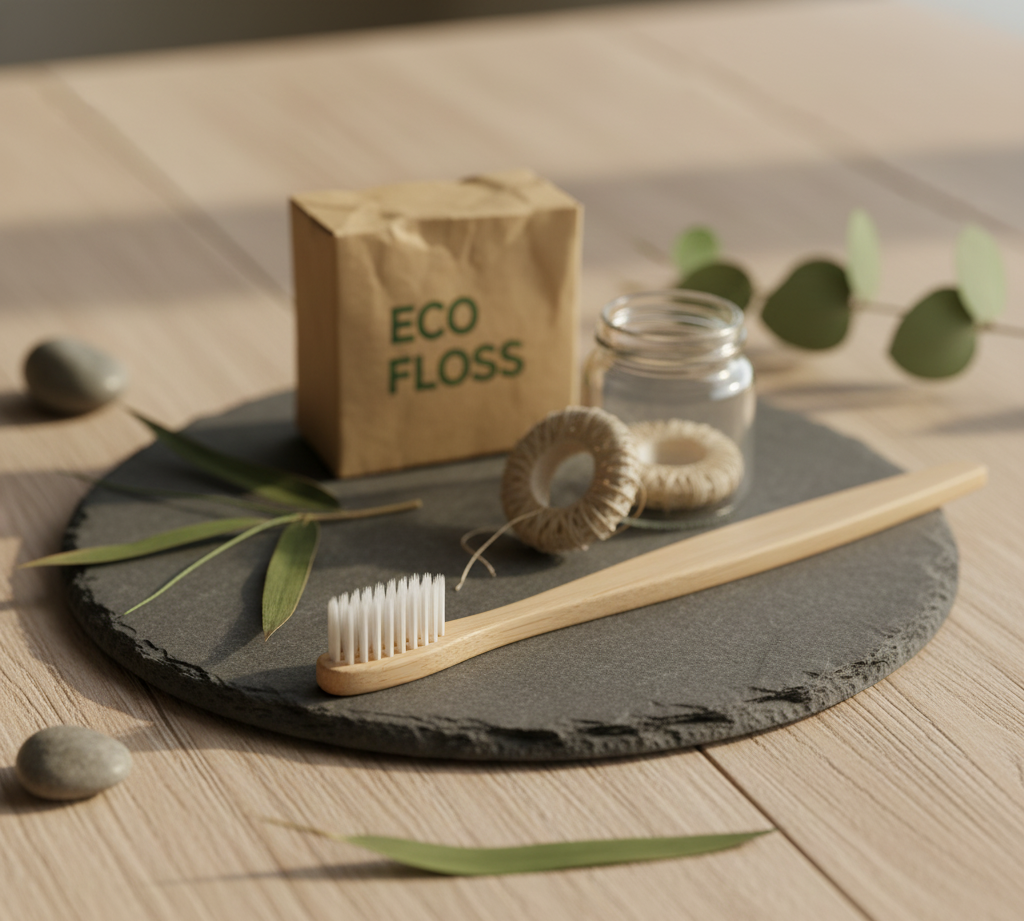
- Refillable or compostable floss
- Organic cotton towels and washcloths
- Reusable skincare products
- Minimalist or low-waste bathroom storage
Small swaps like these can collectively reduce household waste significantly over time.
Final Thoughts: The Power of Tiny Changes
Swapping a plastic toothbrush for a bamboo one may seem insignificant, but sustainability often starts with simple, intentional choices. If millions of people make the same small switch, the collective impact becomes substantial.
In a world increasingly overwhelmed by plastic pollution, every daily decision matters. Your toothbrush can either contribute to the problem or become part of the solution.
With a bamboo toothbrush, you can care for both your oral health and the environment at the same time.
Ready to Make the Switch?
When shopping, look for:
- 100% bamboo handles
- BPA-free or plant-based bristles
- Plastic-free packaging
- Ethical and eco-conscious brands
Resources & References
- U.S. Environmental Protection Agency (EPA) – Reducing Plastic Waste
- National Geographic – Plastic Pollution and Oceans
- World Wildlife Fund (WWF) – Sustainable Bamboo Overview
- American Dental Association – Toothbrush Care and Replacement Guidelines
- University of Georgia Extension – Sustainable Living Resources
- Athens-Clarke County Recycling Division
- Ocean Conservancy – Marine Debris and Plastic Pollution
