


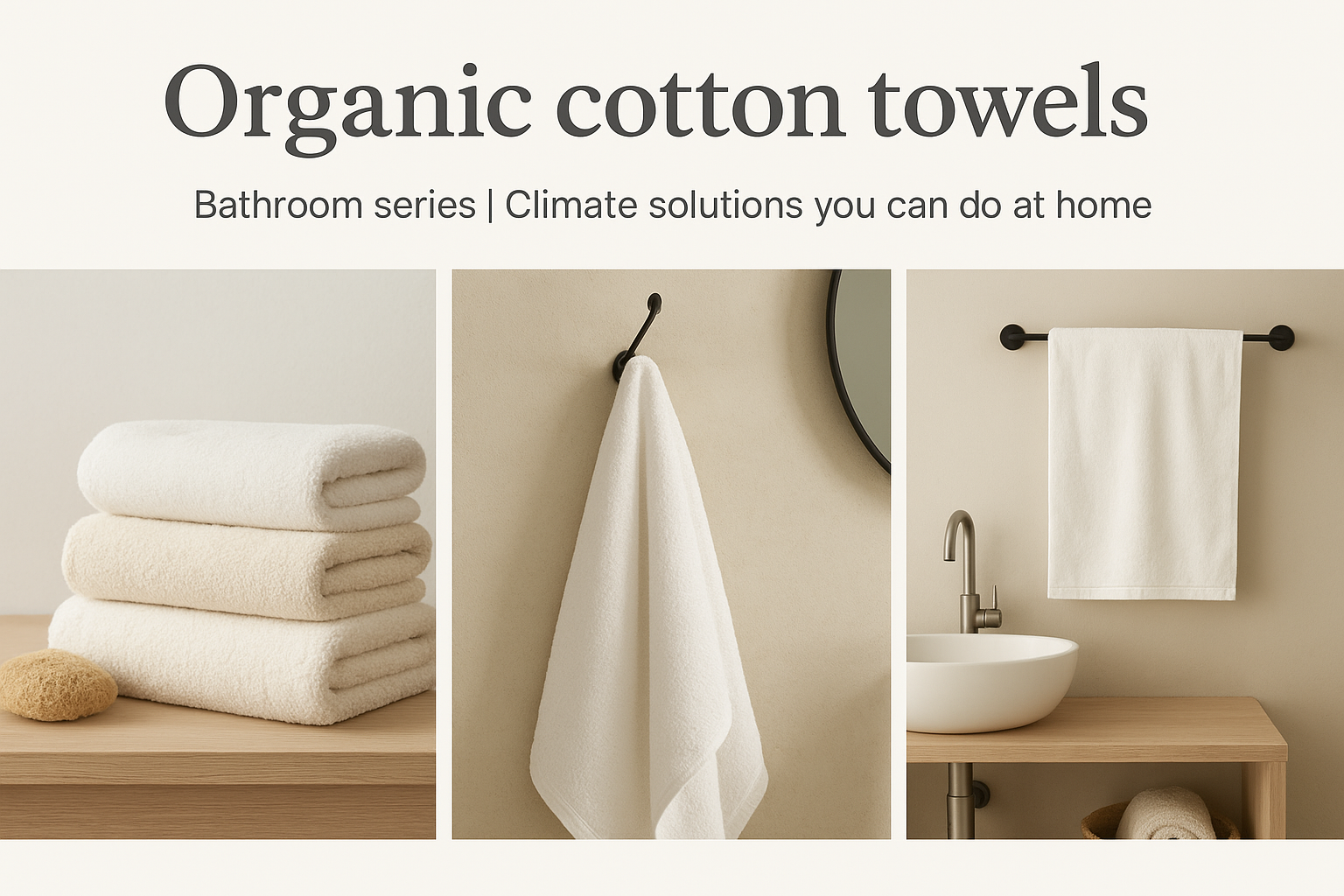
When it comes to sustainable living, we often think of reusable shopping bags, composting, or ditching plastic straws. But one of the most overlooked ways to reduce your environmental footprint is tucked quietly in your bathroom or linen closet: your towels.
Yes, your bath towels.
Most conventional towels are made from non-organic cotton, which, while soft and absorbent, comes with significant environmental and social costs. Conventional cotton farming often relies heavily on water, pesticides, and synthetic fertilizers. Fortunately, there’s a better option that’s just as cozy and far more sustainable: organic cotton towels.
In this blog, we’ll explore the differences between conventional and organic cotton, why upgrading to organic towels is beneficial for both people and the planet, and what to look for when shopping for high-quality, ethical products.
What Is Organic Cotton?
Organic cotton is grown using farming practices that avoid synthetic pesticides, chemical fertilizers, and genetically modified seeds. Instead, farmers use methods such as crop rotation, composting, and natural pest management to maintain healthy soil and protect crops.
These farming practices help preserve biodiversity, reduce pollution, support healthier soil, and improve working conditions for agricultural communities.
The Environmental Cost of Conventional Cotton
To understand why organic cotton matters, it helps to look at the environmental impact of conventional cotton production.
High Water Use
Cotton is known as a water-intensive crop. According to the Water Footprint Network, producing one cotton shirt can require approximately 2,700 liters of water. Towels, which use much more cotton than a shirt, can require even more resources to produce.
Heavy Pesticide and Insecticide Use
Conventional cotton farming accounts for a disproportionately high share of pesticide and insecticide use globally. These chemicals can contaminate waterways, damage ecosystems, and harm beneficial insects.
Pollution and Soil Degradation
Chemical fertilizers and pesticides contribute to:
- Water pollution through agricultural runoff
- Soil degradation and erosion
- Loss of biodiversity
- Reduced long-term soil fertility
Risks to Agricultural Workers
Farm workers in some regions may face health risks from prolonged exposure to agricultural chemicals used in conventional cotton production.
How Organic Cotton Makes a Difference
Switching to organic cotton towels may seem like a small change, but it can have meaningful environmental and social benefits.
1. Reduced Water Consumption
Organic cotton farming can use significantly less irrigated water than conventional farming because many organic systems rely more heavily on rain-fed agriculture and healthier soils that retain moisture more effectively.
[Claim note: Exact water savings percentages vary by region, farming method, and study.]
2. Lower Greenhouse Gas Emissions
Organic farming generally uses fewer synthetic fertilizers, which are energy-intensive to produce. Healthy soils in organic systems can also store more carbon over time.
3. Fewer Harmful Chemicals
Organic cotton standards prohibit the use of many synthetic pesticides and fertilizers. Many organic towel brands also avoid harsh chemical finishes, chlorine bleach, and certain synthetic dyes during manufacturing.
4. Safer for Sensitive Skin
Organic cotton towels are often a good choice for people with sensitive skin, allergies, or eczema because they are typically processed with fewer irritating chemicals and fragrances.

The Everyday Luxury of Organic Towels
Choosing organic towels can improve both comfort and sustainability in your daily routine.
Organic cotton towels are often:
- Soft and durable – High-quality organic cotton fibers can remain plush for years with proper care.
- Highly absorbent – Natural cotton fibers effectively absorb moisture.
- Breathable – Organic cotton allows for better airflow and comfort.
- Biodegradable – Unlike synthetic blends, 100% cotton towels break down more naturally over time.
Many eco-conscious brands also prioritize:
- Plastic-free packaging
- Ethical labor practices
- Low-impact dyes
- Sustainable manufacturing processes
What to Look for When Buying Organic Cotton Towels
Not all “organic” labels mean the same thing. Here are a few certifications and features worth checking.
1. GOTS Certification
The Global Organic Textile Standard (GOTS) is one of the most trusted certifications for organic textiles.
GOTS certification verifies:
- Organic fiber content
- Environmentally responsible processing
- Restrictions on toxic chemicals
- Social and labor standards
2. OEKO-TEX® Certification
OEKO-TEX® certification ensures the finished product has been tested for harmful substances and is considered safer for human use.
3. 100% Organic Cotton
Some products contain only partial organic content. Look for labels that specifically say “100% organic cotton” if you want the highest organic fiber content possible.
4. Sustainable Packaging
Choose brands that use recyclable, reusable, or compostable packaging whenever possible.
Extend the Life of Your Organic Towels
Taking proper care of your towels helps them last longer and reduces waste.
Care Tips
- Wash with cold or warm water using mild detergent.
- Avoid fabric softeners, which can reduce absorbency.
- Air dry when possible.
- Tumble dry on low heat if needed.
- Avoid chlorine bleach and harsh chemicals.
Proper care not only preserves softness and absorbency but also reduces environmental impact over time.
Small Switch, Big Impact
Towels are something we use every day, often without thinking about where they come from or how they are made. Replacing conventional towels with organic alternatives may seem like a small step, but widespread adoption could help:
- Reduce pesticide use
- Conserve water
- Lower chemical pollution
- Support healthier farming systems
- Encourage more sustainable textile production
Everyday choices matter, especially when millions of people make them together.
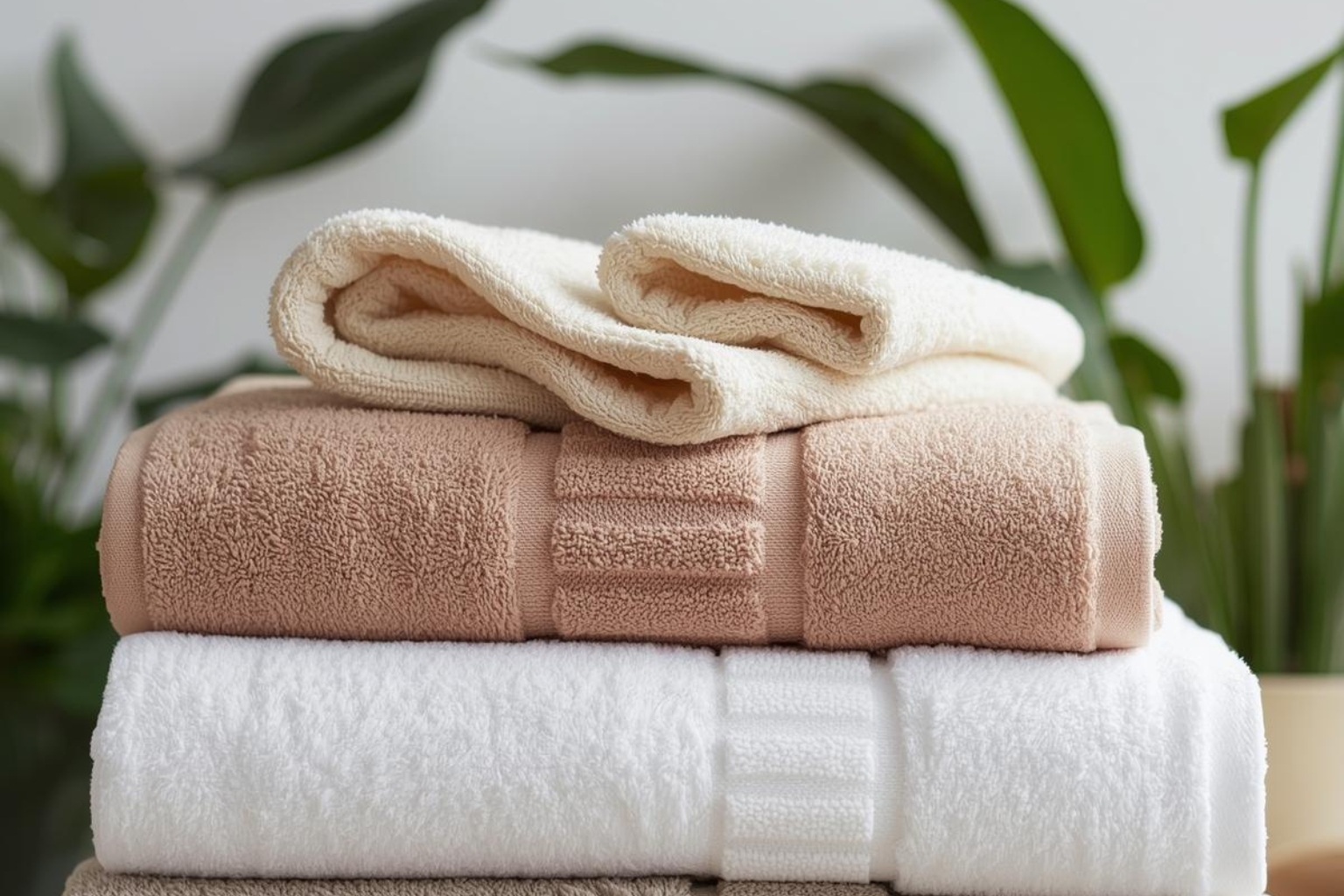
Final Thoughts: Wrap Yourself in Sustainability
Choosing organic cotton towels is a practical way to align comfort with sustainability. It’s a simple switch that supports healthier ecosystems, safer agricultural practices, and a cleaner textile industry.
By making more mindful purchasing decisions, even with everyday household items, we help encourage companies and industries to adopt more responsible practices.
Sustainability often starts with the small things—and sometimes, it’s as simple as the towel you reach for after a shower.
Ready to Make the Switch?
Here’s a quick checklist:
- Look for GOTS-certified or OEKO-TEX® certified towels
- Choose 100% organic cotton when possible
- Support brands committed to ethical labor and sustainable packaging
- Care for towels properly to extend their lifespan
- Share what you learn with friends and family
Resources & References
- Global Organic Textile Standard (GOTS)
https://global-standard.org/ - OEKO-TEX® Certification Information
https://www.oeko-tex.com/en/ - Water Footprint Network – Product Water Footprints
https://www.waterfootprint.org/ - Textile Exchange – Organic Cotton Market and Sustainability Information
https://textileexchange.org/ - Organic Trade Association – Organic Cotton Facts
https://ota.com/ - U.S. Environmental Protection Agency (EPA) – Pesticides and Water Quality
https://www.epa.gov/pesticides - University of Georgia Extension – Sustainable Agriculture Resources
https://extension.uga.edu/topic-areas/sustainable-agriculture.html - Athens-Clarke County Recycling Division
https://www.accgov.com/recycling
