


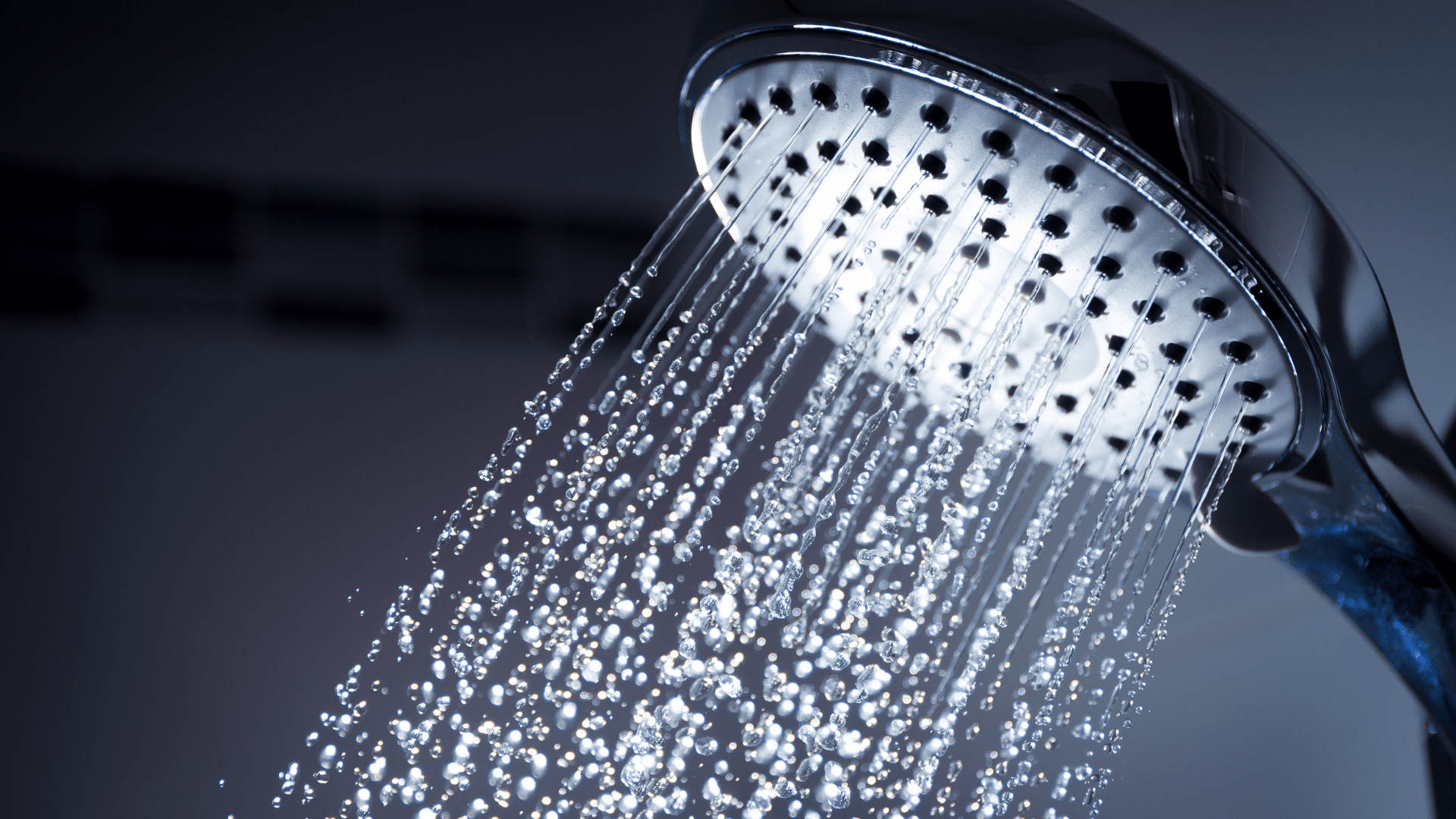
In an age where every drop of water counts, your bathroom may hold one of the easiest and most impactful ways to live more sustainably. The average modern showerhead in the United States is limited to 2.5 gallons of water per minute (GPM), meaning a single 10-minute shower can use around 25 gallons of water. Older showerheads may use significantly more. Multiply that by several people in a household over the course of a year, and you’re looking at thousands of gallons of water going down the drain.
The good news? There’s a simple switch that can make a big difference: installing a water-saving (low-flow) showerhead.
This small upgrade offers a powerful combination of environmental benefits, cost savings, and everyday practicality, all without sacrificing comfort or water pressure. Let’s explore how this easy change can help your home become part of the solution to water overuse and rising energy consumption.
The Problem: Water Waste in the Shower
Most of us don’t realize how much water we use or waste in the shower. Standard showerheads, especially older models, can use anywhere from 2.5 to 5 gallons of water per minute. That adds up quickly.
Consider this:
- A person who showers once a day for 10 minutes uses about 9,125 gallons of water per year with a standard 2.5 GPM showerhead.
- In households with multiple people, that number multiplies rapidly.
- According to the U.S. Environmental Protection Agency (EPA), showers account for approximately 20% of average indoor household water use in the United States.
And that’s only the water itself. Every gallon of hot water also requires energy to heat it, meaning inefficient showers increase both water and energy consumption.
The Solution: Low-Flow Showerheads
A low-flow showerhead is designed to use less water per minute, typically 2.0 GPM or less, while still maintaining a satisfying shower experience.
How They Work
There are several types of water-saving showerheads:
- Aerating models mix air with water to create a misty but full-feeling spray.
- Laminar-flow models produce individual streams that maintain strong pressure while using less water.
- Some models include pause buttons or flow-control valves that temporarily reduce water flow while lathering or shaving.
Modern low-flow designs are engineered to maintain comfort while significantly reducing water use.

How It Helps: Water, Energy, and Financial Savings
The benefits of switching to a low-flow showerhead extend beyond environmental conservation.
1. Water Savings
According to the EPA’s WaterSense program:
- WaterSense-labeled showerheads can save the average family nearly 2,700 gallons of water per year.
- For larger households, savings can exceed 10,000 gallons annually.
2. Energy Savings
Using less hot water also reduces the energy needed for heating.
The EPA estimates that WaterSense showerheads can help households save enough energy annually to power a home for several days while reducing water heating costs.
3. Lower Utility Bills
Because you use both less water and less energy, utility bills often decrease noticeably after installation. Many households recover the cost of the showerhead within months.
Easy to Install, Easy to Love
One of the biggest advantages of water-saving showerheads is how simple they are to install.
Installation Steps
- Unscrew your old showerhead.
- Clean the shower arm threads.
- Apply plumber’s tape if needed.
- Screw on the new low-flow showerhead.
- Test for leaks and enjoy.
Most installations take less than 10 minutes and require no professional plumbing experience.
But What About Water Pressure?
A common concern is whether low-flow showerheads feel weak or unsatisfying. Fortunately, modern designs have improved dramatically.
Advanced nozzle technology and pressure-compensation systems allow many low-flow showerheads to deliver strong, comfortable water pressure while still conserving water.
Many models also include adjustable spray settings such as:
- Rain
- Massage
- Mist
- Power spray
For many users, the only noticeable difference is a lower utility bill.
What to Look for When Buying One
When shopping for a water-saving showerhead, consider the following features:
GPM Rating
- Look for models rated at 2.0 GPM or less.
- Ultra-efficient models may use as little as 1.25–1.5 GPM.
Certification
Look for the WaterSense label from the EPA. WaterSense-certified showerheads are independently tested for both efficiency and performance.
Helpful Features
- Multiple spray settings
- Pause or shut-off button
- Anti-clog nozzles
- Durable, corrosion-resistant materials
Eco-Friendly Brands to Consider
Several manufacturers offer highly rated water-efficient showerheads, including:
- Delta WaterSense models
- Kohler eco-performance showerheads
- Niagara Conservation
- High Sierra Showerheads
- Speakman low-flow models
Multiply the Impact: More Than Just a Shower
Pairing a low-flow showerhead with other water-saving upgrades can make an even greater difference:
- Faucet aerators
- Dual-flush or low-flow toilets
- Energy-efficient water heaters
- Leak repairs and smart water monitoring
Together, these changes can significantly reduce household water and energy use.
Why Water Conservation Matters
Freshwater is a limited resource. Climate change, population growth, drought, and pollution are increasing pressure on water supplies around the world.
The World Health Organization has warned that water stress is affecting many regions globally, and conservation efforts at home can help reduce demand on local infrastructure and ecosystems.
The encouraging news is that meaningful conservation does not always require major sacrifices. Sometimes, small changes create substantial results.
Final Thoughts: A Sustainable Upgrade You’ll Feel Every Day
A low-flow showerhead may be small, but its impact is significant. For a relatively low cost, you can reduce water use, lower utility bills, conserve energy, and make your daily routine more sustainable.
It’s one of the simplest upgrades you can make—and one you’ll benefit from every single day.
So the next time you step into the shower, remember: sustainability can start with something as small as turning on the tap.
Ready to Make the Switch?
Look for:
- WaterSense-labeled showerheads
- Models rated 2.0 GPM or lower
- Durable, long-lasting materials
- Adjustable spray settings
- Recyclable or minimal packaging
A small fixture really can make a big impact.
Resources & References
- U.S. Environmental Protection Agency (EPA) – WaterSense Showerheads
https://www.epa.gov/watersense/showerheads - U.S. Department of Energy – Energy Saver: Showerheads
https://www.energy.gov/energysaver/showerheads - WaterSense – Water Savings Calculator
https://www.epa.gov/watersense/watersense-calculator - World Health Organization (WHO) – Water Scarcity Information
https://www.who.int/news-room/fact-sheets/detail/drinking-water - Alliance for Water Efficiency – Residential Indoor Water Use
https://www.allianceforwaterefficiency.org/ - University of Georgia Extension – Water Conservation Resources
https://extension.uga.edu/topic-areas/water.html - Athens-Clarke County Public Utilities Department – Water Conservation Tips
https://www.accgov.com/WaterConservation
