


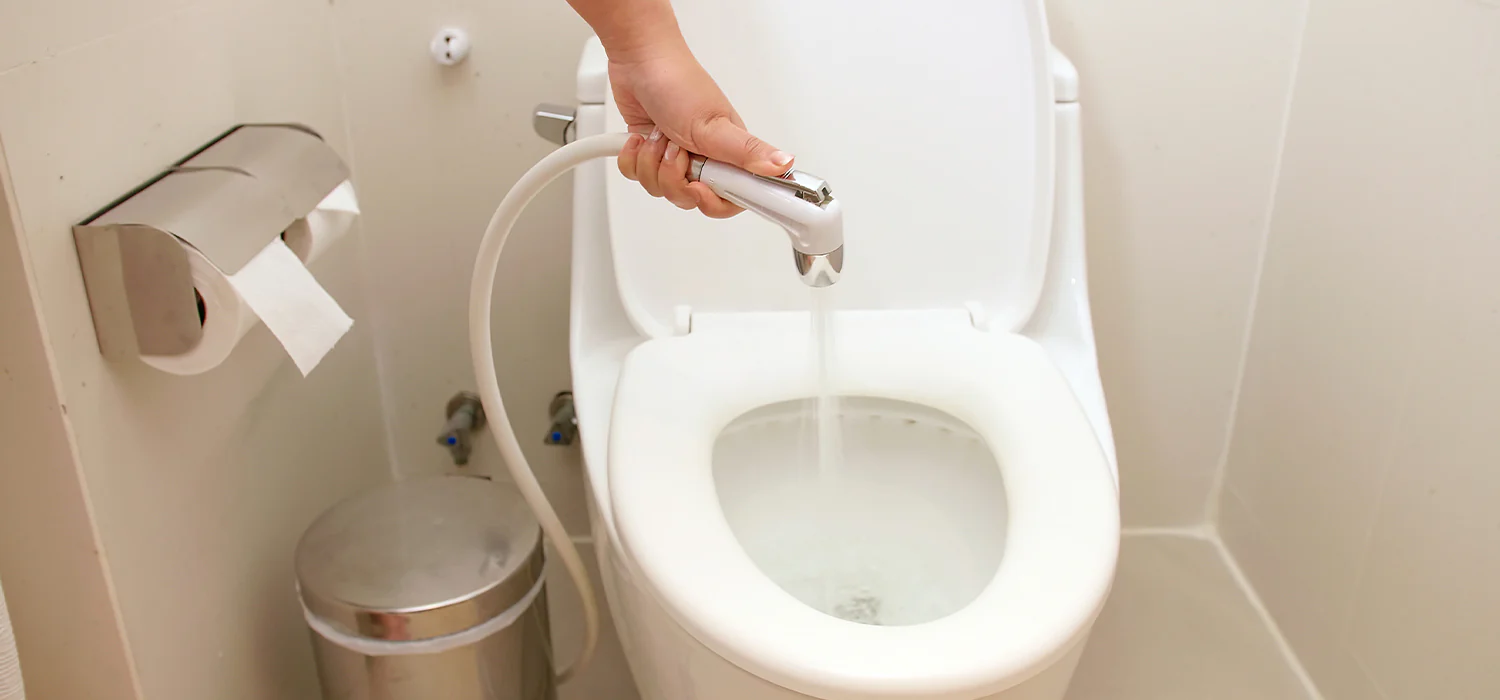
Toilet paper has long been considered a household necessity. But what if there were a cleaner, more sustainable way to maintain personal hygiene while reducing environmental impact?
Enter the bidet.
Long popular in parts of Europe, Asia, and South America, bidets are becoming increasingly common in North America as people look for ways to reduce waste, conserve resources, and improve everyday comfort. With growing awareness about deforestation, excessive paper consumption, and household waste, many eco-conscious consumers are asking whether bidets are a worthwhile investment.
For many households, the answer is yes.
Whether you choose a simple bidet attachment or a high-tech bidet seat, making the switch can significantly reduce toilet paper use, lower long-term costs, and improve hygiene—all while helping reduce your environmental footprint.
Let’s take a closer look at why bidets are gaining popularity and how this bathroom upgrade can benefit both people and the planet.
The Environmental Cost of Toilet Paper
Before exploring bidets, it’s important to understand the environmental impact of conventional toilet paper production.
Water Consumption
Producing toilet paper requires substantial amounts of water. Estimates vary depending on manufacturing methods, but studies consistently show that paper production is resource-intensive compared to the relatively small amount of water used by bidets.
Deforestation
Globally, millions of trees are harvested annually for tissue and paper products. Environmental organizations, including the Natural Resources Defense Council (NRDC), have raised concerns about the use of virgin forest fiber in many major toilet paper brands.
Old-growth and boreal forests are especially important because they store carbon and provide habitat for wildlife.
Energy and Packaging Waste
Toilet paper production also requires energy for logging, pulping, bleaching, manufacturing, and transportation. On top of that, toilet paper is commonly packaged in plastic wrapping, contributing to additional household waste.
Why Bidets Are a More Sustainable Option
Bidets are water-based cleaning devices used after using the toilet. Some are simple attachments connected to an existing toilet, while others are advanced toilet seats with features like warm water, air drying, and heated seating.
Here’s how switching to a bidet can help reduce environmental impact:
1. Significant Reduction in Toilet Paper Use
Many bidet users report reducing toilet paper usage substantially—sometimes by more than half. While some people still use a small amount of paper or a reusable cloth for drying, overall consumption is greatly reduced.
2. Lower Resource Consumption
A bidet uses only a small amount of water per use. In many cases, the total water footprint is still lower than the water required to manufacture large amounts of toilet paper.
3. Reduced Demand for Virgin Pulp
Using less toilet paper means lowering demand for products made from virgin trees, helping reduce pressure on forests and ecosystems.
4. Less Packaging Waste
Fewer toilet paper purchases also mean less plastic packaging, fewer cardboard tubes, and reduced transportation emissions.
5. Improved Hygiene and Comfort
Many people find bidets gentler and more effective than dry toilet paper alone. Bidets may also provide added comfort for individuals with sensitive skin, hemorrhoids, mobility challenges, or certain medical conditions.
Are Bidets Expensive?
Not necessarily. Bidets are available at a wide range of price points.
Common Price Ranges
- Manual bidet attachments: approximately $25–$80
- Electric bidet seats: approximately $200–$700
- Integrated smart toilets: $1,000 and above
Basic bidet attachments are often affordable and relatively easy to install without professional plumbing assistance.
Long-Term Savings
Households that reduce toilet paper use may save money over time, especially larger households with frequent toilet paper purchases.
Savings will vary depending on usage habits, household size, and the type of bidet installed.
Easy to Install, Easy to Use
Most non-electric bidet attachments can be installed in under 30 minutes using basic tools. They typically connect directly to the toilet’s water supply.
Using a bidet is straightforward:
- Use the toilet as normal.
- Activate the bidet spray.
- Adjust water pressure for comfort.
- Pat dry with a small amount of toilet paper, reusable cloth, or air dryer if available.
Many first-time users report that the adjustment period is short and that bidets quickly become part of their normal routine.
What About Drying?
One common question is how drying works after using a bidet.
Options include:
- Using a small amount of toilet paper
- Using reusable personal towels or cloths washed regularly
- Choosing an electric bidet with a built-in warm air dryer
Even when some paper is still used for drying, overall toilet paper consumption is typically much lower than before.
Health and Hygiene Benefits
In addition to environmental advantages, bidets may offer personal comfort and hygiene benefits.
Some users report:
- Reduced irritation
- Gentler cleaning for sensitive skin
- Improved comfort during postpartum recovery or after surgery
- Easier hygiene for older adults or individuals with mobility limitations
While bidets are not medical devices, many healthcare professionals acknowledge their potential benefits for gentle hygiene.
A Bathroom Upgrade That Lasts
Unlike disposable bathroom products, a bidet is a long-term investment. Once installed, it becomes part of your daily routine without the need for constant repurchasing.
Many users also appreciate:
- Reduced bathroom storage needs
- Fewer shopping trips for toilet paper
- Lower household waste generation
For environmentally conscious households, it’s often considered one of the easiest sustainable home upgrades to maintain long term.
The Bigger Picture: Small Changes Add Up
While one bidet may seem like a small change, collective action can make a meaningful difference.
If more households reduced toilet paper consumption through alternatives like bidets, the result could include:
- Lower demand for virgin forest products
- Reduced manufacturing emissions
- Less packaging waste
- Conservation of water and energy resources
Sustainability is often built through many small decisions repeated consistently over time.
Final Thoughts: Clean Better, Live Smarter
Investing in a bidet is more than a bathroom upgrade—it’s a practical way to reduce waste, conserve resources, and rethink everyday habits.
While bidets may not completely replace toilet paper for everyone, they can dramatically reduce dependence on disposable paper products while improving comfort and convenience.
Sometimes the most effective sustainability changes are the ones woven into our daily routines.
And in this case, the future of cleaner living may begin with water instead of paper.
Ready to Make the Switch?
Here are a few simple tips to get started:
- Choose a bidet that matches your budget and bathroom setup
- Start with a basic attachment if you’re new to bidets
- Keep a small amount of toilet paper or reusable cloths for drying
- Compare your toilet paper usage before and after switching
Small changes at home can lead to meaningful environmental impact over time.
Resources & References
- Natural Resources Defense Council (NRDC) — “Issue With Tissue” Report
https://www.nrdc.org/issues/issue-tissue - Scientific American — Environmental Impact of Toilet Paper
https://www.scientificamerican.com/article/earth-talks-bidets/ - U.S. Environmental Protection Agency (EPA) — Water Conservation Tips
https://www.epa.gov/watersense - Yale Environment 360 — The Environmental Cost of Tissue Products
https://e360.yale.edu/features/toilet-paper-pullout-canada-boreal-forest - World Wildlife Fund (WWF) — Forest Conservation and Sustainable Products
https://www.worldwildlife.org/industries/forest-products - Healthline — Bidet Benefits and Hygiene Information
https://www.healthline.com/health/are-bidets-sanitary - Consumer Reports — Bidet Buying Guide
https://www.consumerreports.org/appliances/bidets/buying-guide/
