


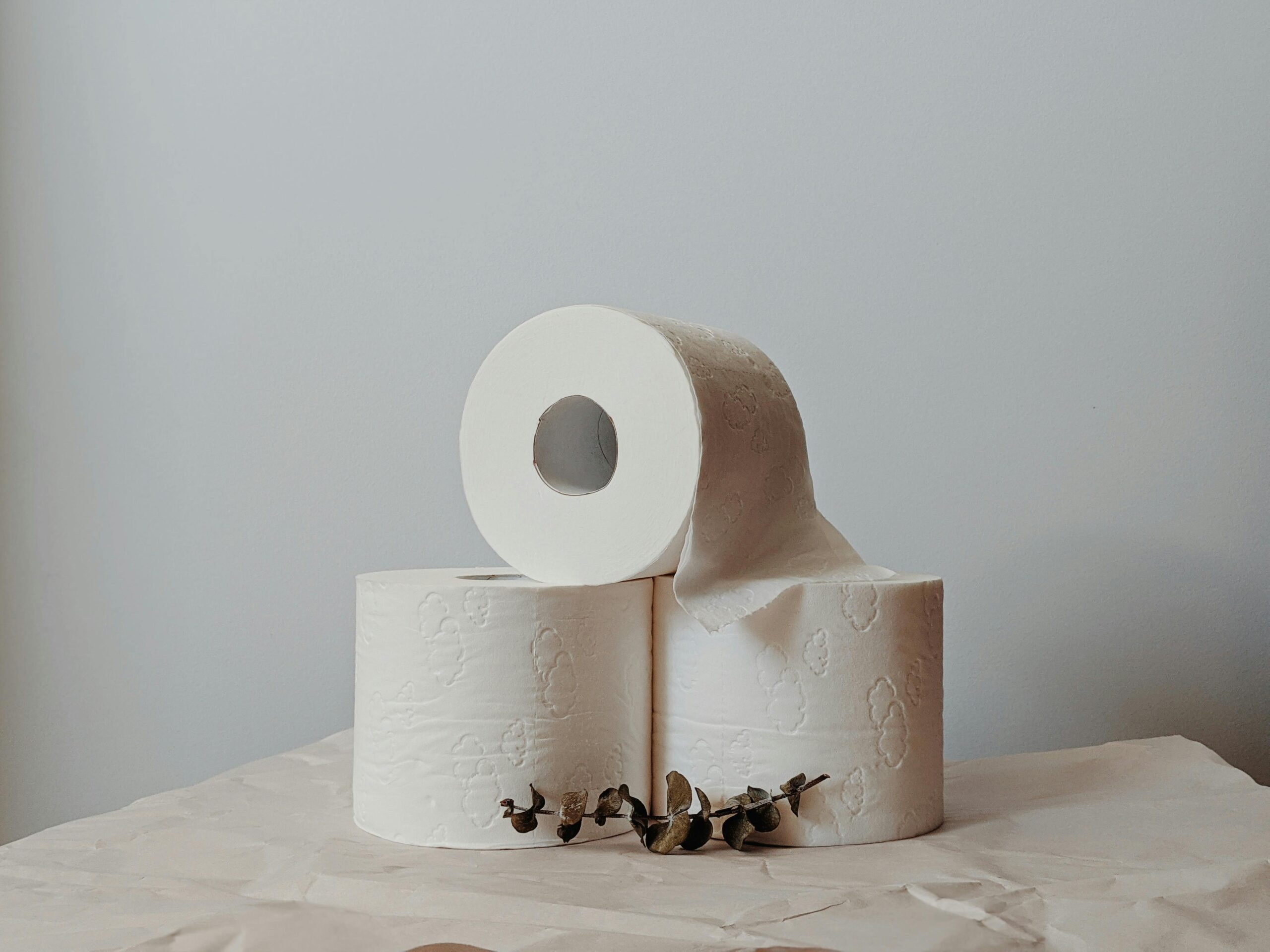
Toilet paper is one of those everyday products we rarely think twice about. It’s there when we need it, and then it’s gone, flushed away and forgotten. But what if your choice of toilet paper could help reduce deforestation and waste?
The average person uses a significant amount of toilet paper each year, and globally, demand for virgin-fiber toilet paper contributes to the harvesting of millions of trees annually. Many conventional toilet paper products are made from virgin wood pulp sourced from forests, including portions of the Canadian boreal forest, an ecosystem that plays an important role in biodiversity and carbon storage.
Fortunately, sustainable toilet paper made from recycled paper or bamboo offers a more eco-conscious alternative. These options can reduce pressure on forests while still providing the softness, strength, and convenience consumers expect.
In this blog, we’ll explore the environmental impact of traditional toilet paper, the benefits of sustainable alternatives, and how one simple household swap can make a meaningful difference.
The Hidden Environmental Cost of Conventional Toilet Paper
Toilet paper may seem harmless, but its production has a surprisingly large environmental footprint.
Deforestation
Many conventional toilet paper brands rely heavily on virgin wood pulp rather than recycled materials. Environmental organizations such as the Natural Resources Defense Council (NRDC) have raised concerns about the continued logging of climate-critical forests to meet tissue product demand.
Large areas of boreal forest are harvested every year for paper products, contributing to habitat loss, biodiversity decline, and carbon emissions.
Bleaching and Chemicals
Conventional toilet paper is often bleached to achieve a bright white appearance. Older bleaching methods used elemental chlorine, which produced harmful dioxins. Today, many manufacturers use elemental chlorine-free processes, which are safer, though chemical processing still has environmental impacts.
Choosing unbleached or processed chlorine-free toilet paper can help reduce pollution associated with paper manufacturing.
Water and Energy Use
Producing virgin paper products requires large amounts of water and energy. From logging and pulping to transportation and packaging, the process contributes to greenhouse gas emissions and resource depletion.

Enter Sustainable Toilet Paper: Better for You and the Planet
Sustainable toilet paper is designed to reduce environmental harm while still performing effectively. It generally falls into two categories:
1. Recycled Toilet Paper
Made from post-consumer recycled paper such as office paper or newspaper, recycled toilet paper:
- Reduces demand for virgin trees
- Diverts paper waste from landfills
- Uses less water and energy during production
- Is widely available and often affordable
Many environmental experts consider recycled toilet paper one of the most sustainable options available because it extends the life cycle of existing paper materials.
2. Bamboo Toilet Paper
Bamboo toilet paper has become increasingly popular because bamboo grows rapidly and regenerates quickly after harvesting.
Benefits include:
- Fast renewability
- Lower pesticide requirements
- Reduced land-use pressure compared to some tree farming systems
- Soft and durable texture
However, not all bamboo toilet paper is equally sustainable. Recent investigations found that some products marketed as “100% bamboo” contained mixed wood fibers instead. Consumers should look for transparency and third-party certifications when choosing bamboo products. (The Guardian)
Is Sustainable Toilet Paper Just as Good?
Yes. Modern sustainable toilet paper products have improved significantly in comfort and quality.
Today’s recycled and bamboo toilet papers are often:
- Soft and gentle on skin
- Strong and absorbent
- Septic-safe and biodegradable
- Free from dyes, fragrances, and unnecessary additives
Many sustainable brands also use plastic-free packaging, helping reduce waste beyond the product itself.
The Cost Question: Is It More Expensive?
Sustainable toilet paper can sometimes cost slightly more upfront, especially bamboo products, but pricing has become increasingly competitive.
- Recycled toilet paper is often similarly priced to conventional brands.
- Bamboo toilet paper may cost more, but many users report using less due to higher absorbency.
- Bulk ordering and subscription services can reduce overall cost and packaging waste.
As demand for sustainable products increases, prices may continue to become more accessible.
How to Make the Switch: A Quick Guide
Ready to make the transition? Here are a few simple tips:
1. Check the Label
Look for:
- “100% recycled paper”
- “Post-consumer recycled content”
- “Made from bamboo”
Avoid vague claims without supporting information.
2. Look for Certifications
Trusted certifications include:
- FSC (Forest Stewardship Council)
- Green Seal
- Rainforest Alliance
- Processed Chlorine Free (PCF)
3. Try a Trial Pack
Many sustainable brands offer starter packs so you can compare softness, thickness, and absorbency before committing.
4. Buy in Bulk
Bulk purchasing reduces packaging waste and often lowers cost per roll.
5. Choose Plastic-Free Packaging
Look for brands that use recyclable cardboard boxes or paper wrapping instead of plastic.
Sustainable Toilet Paper Brands to Explore
Some well-known sustainable toilet paper brands include:
- Who Gives A Crap
- Reel
- Seventh Generation
- Cloud Paper
- Tushy Bamboo TP
Before purchasing, it’s always a good idea to review ingredient transparency, certifications, and sourcing practices.
The Bigger Picture: Small Changes, Collective Impact
You may wonder whether switching toilet paper really matters. The answer is yes.
Small household changes, when multiplied across millions of homes, can significantly reduce demand for virgin forest fiber, lower waste, and encourage companies to adopt more sustainable practices.
Even replacing part of your household’s toilet paper use with recycled alternatives helps support a more circular economy and reduces pressure on natural ecosystems.
Final Thoughts: Wipe Responsibly
Sustainable living doesn’t always require dramatic lifestyle changes. Sometimes it starts with the products we use every single day.
Switching to recycled or responsibly sourced bamboo toilet paper is a simple but meaningful step toward reducing waste, protecting forests, and supporting more environmentally responsible manufacturing.
The next time you restock your bathroom supplies, consider choosing a product that aligns with both comfort and conservation.
Because even small swaps can create lasting impact.
Ready to Make the Switch?
Look for:
- 100% recycled or responsibly sourced bamboo toilet paper
- FSC-certified products
- Plastic-free packaging
- Brands with transparent sustainability practices
Small choices add up, and sustainability can start with one roll.
Resources & References
- Natural Resources Defense Council (NRDC) – Issue With Tissue Report
https://www.nrdc.org/issues/issue-tissue - NRDC Press Release on Toilet Paper Sustainability
https://www.nrdc.org/press-releases/major-toilet-paper-brands-fail-sustainability-test-rely-forest-destruction-make - Forest Stewardship Council (FSC)
https://fsc.org - Green Seal Certification Standards
https://greenseal.org - Rainforest Alliance Certification
https://www.rainforest-alliance.org - Associated Press: Eco-Friendly Toilet Paper Impacts
https://apnews.com/article/8ef55ba36fe4d589bf807483465d5c3b - The Guardian: Investigation Into Bamboo Toilet Paper Claims
https://www.theguardian.com/environment/2024/mar/27/three-of-uks-top-five-bamboo-loo-roll-brands-made-from-other-wood
