


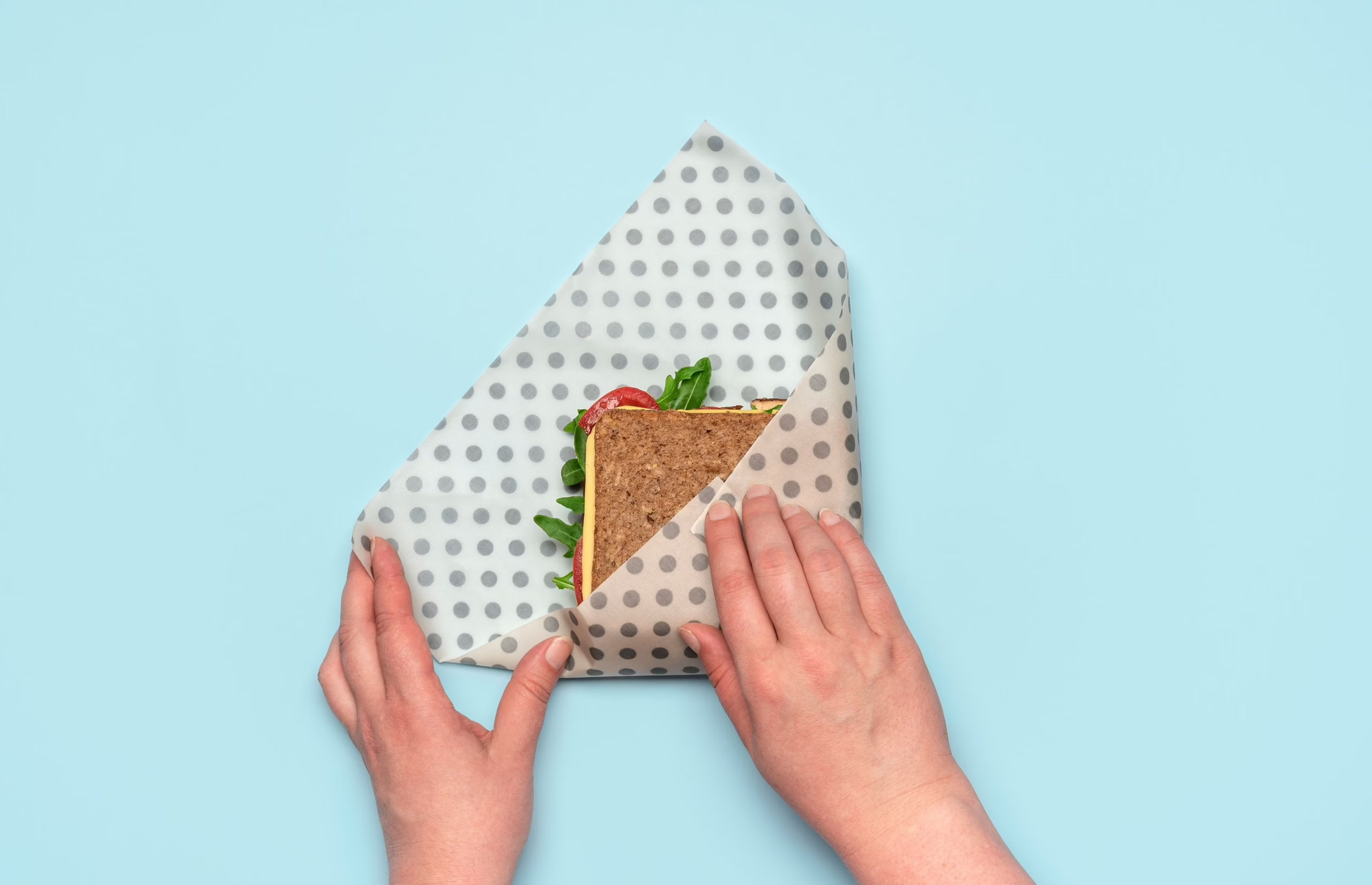
In today’s world, where sustainability is at the forefront of global discussions, many people are looking for ways to reduce their reliance on single-use plastics. One area that’s often overlooked—but can make a significant environmental difference—is food storage. Enter beeswax wraps: an innovative, eco-friendly alternative to plastic wrap that can transform the way we store food.
In this blog, we’ll explore how beeswax food wraps work, their environmental benefits, and how making the simple switch from plastic wrap to beeswax wraps can help reduce plastic pollution and household waste.
The Problem with Plastic Wrap
Plastic wrap, also known as cling film, is one of those products many of us use without much thought. Whether covering leftovers, wrapping sandwiches, or storing produce, plastic wrap often feels convenient. However, this everyday item contributes to the growing plastic waste crisis.
According to the U.S. Environmental Protection Agency (EPA), plastic containers and packaging make up a major portion of municipal solid waste in the United States. Plastic film products, including wraps and bags, are especially difficult to recycle through curbside programs and frequently end up in landfills or the environment.
Plastic wrap is made from petroleum-based materials and is not biodegradable. Instead of breaking down naturally, it can persist in the environment for hundreds of years, contributing to pollution that harms ecosystems and wildlife.
The need for a reusable, compostable alternative has never been clearer and that’s where beeswax wraps come in.
What Are Beeswax Food Wraps?
Beeswax food wraps are reusable and compostable alternatives to plastic wrap. They are typically made from cotton fabric coated with beeswax, tree resin, and plant oils such as jojoba oil.
These wraps can be used to:
- Cover bowls and containers
- Wrap fruits and vegetables
- Store bread or cheese
- Pack sandwiches and snacks
Unlike plastic wrap, beeswax wraps are breathable, which can help keep certain foods fresher for longer while reducing moisture buildup.
How Beeswax Wraps Work
Beeswax wraps use the natural stickiness of beeswax and resin to create a flexible seal around food or containers.
Here’s how they work:
- Wrap – Place the wrap over food or a container.
- Mold – Use the warmth of your hands to shape the wrap around the item.
- Seal – As the wrap cools, it holds its shape and creates a protective covering.
- Reuse – Wash gently and use again.
With proper care, many beeswax wraps can last up to a year or longer before needing replacement.
The Environmental Benefits of Beeswax Wraps
1. Reduces Single-Use Plastic Waste
One of the biggest benefits of beeswax wraps is reducing dependence on disposable plastic wrap.
Because beeswax wraps are reusable, one wrap can replace dozens—or even hundreds—of uses of plastic film over its lifespan.
2. Compostable and Biodegradable
Unlike plastic wrap, beeswax wraps are biodegradable. At the end of their usable life, they can often be composted if made from natural materials.
This helps reduce long-term waste accumulation in landfills.
3. Made from Renewable Materials
Most beeswax wraps are made from renewable ingredients such as:
- Cotton
- Beeswax
- Tree resin
- Plant oils
Many brands also use organic cotton and responsibly sourced materials to reduce environmental impact further.
4. Reduces Exposure to Certain Chemicals
Some plastic food packaging materials may contain chemicals that can migrate into food under certain conditions, particularly when heated. Beeswax wraps provide a natural alternative for cold-food storage and everyday kitchen use.
[Note: Beeswax wraps should not be used with raw meat or exposed to high heat, such as microwaves or ovens.]
How Beeswax Wraps Help Fight Plastic Pollution
Single-use plastics are a major contributor to global pollution. Plastic films and wrappers are particularly problematic because they are lightweight, difficult to recycle, and easily escape into waterways and oceans.
By switching to beeswax wraps, households can:
- Reduce their use of disposable plastics
- Support reusable, low-waste products
- Decrease landfill waste
- Help reduce demand for petroleum-based packaging
While one wrap may seem small, collective changes across millions of households can make a measurable impact.
How to Use Beeswax Wraps for Food Storage
1. Wrap Sandwiches and Snacks
Beeswax wraps are ideal for packed lunches and snacks. They fold easily around sandwiches, fruit slices, crackers, and baked goods.
2. Cover Bowls and Containers
Instead of plastic wrap, use beeswax wraps to cover bowls of leftovers, salads, or rising dough.
3. Store Fruits and Vegetables
Wrap cut produce such as cucumbers, avocados, or lemons to help maintain freshness.
4. Wrap Cheese
Cheese stores particularly well in beeswax wraps because the material allows some airflow while still protecting the food.
5. Store Bread and Pastries
Wrap bread, muffins, or pastries to help keep them fresh without trapping excess moisture.
Caring for Your Beeswax Wraps
Proper care helps extend the life of your wraps.
Cleaning Tips
- Wash with cool or lukewarm water and mild soap
- Avoid hot water, which can melt the wax coating
- Air dry completely before storing
Avoid Heat
Do not place beeswax wraps in:
- Microwaves
- Ovens
- Dishwashers
- Hot cars or direct sunlight
Refreshing the Wraps
Over time, the wax coating may wear down. Some wraps can be refreshed using additional beeswax and gentle oven heating, depending on the manufacturer’s instructions.
Are Beeswax Wraps Right for Everyone?
Beeswax wraps work well for many households, but they may not be suitable for everyone.
People following a vegan lifestyle may prefer plant-based alternatives made with candelilla wax or soy wax instead of beeswax.
Additionally, beeswax wraps are best suited for dry or moderately moist foods—not raw meat or very hot items.
Final Thoughts
Beeswax food wraps are a practical, reusable, and environmentally friendly alternative to disposable plastic wrap. By making this simple kitchen swap, households can reduce plastic waste, support more sustainable consumption habits, and move toward a lower-waste lifestyle.
No single product will solve the plastic crisis on its own. But small, consistent changes, like replacing single-use plastic wrap with reusable beeswax wraps, can add up over time.
The next time you reach for plastic wrap, consider choosing a reusable alternative instead. Your kitchen and the planet will thank you.
Resources & References
- U.S. Environmental Protection Agency – Plastics: Material-Specific Data
- National Geographic – Planet or Plastic?
- University of Georgia Extension – Reducing Household Waste
- Athens-Clarke County Recycling Division
- NOAA Marine Debris Program
- Beyond Plastics – The Problem with Plastic Film
- U.S. Department of Agriculture – Composting at Home
