


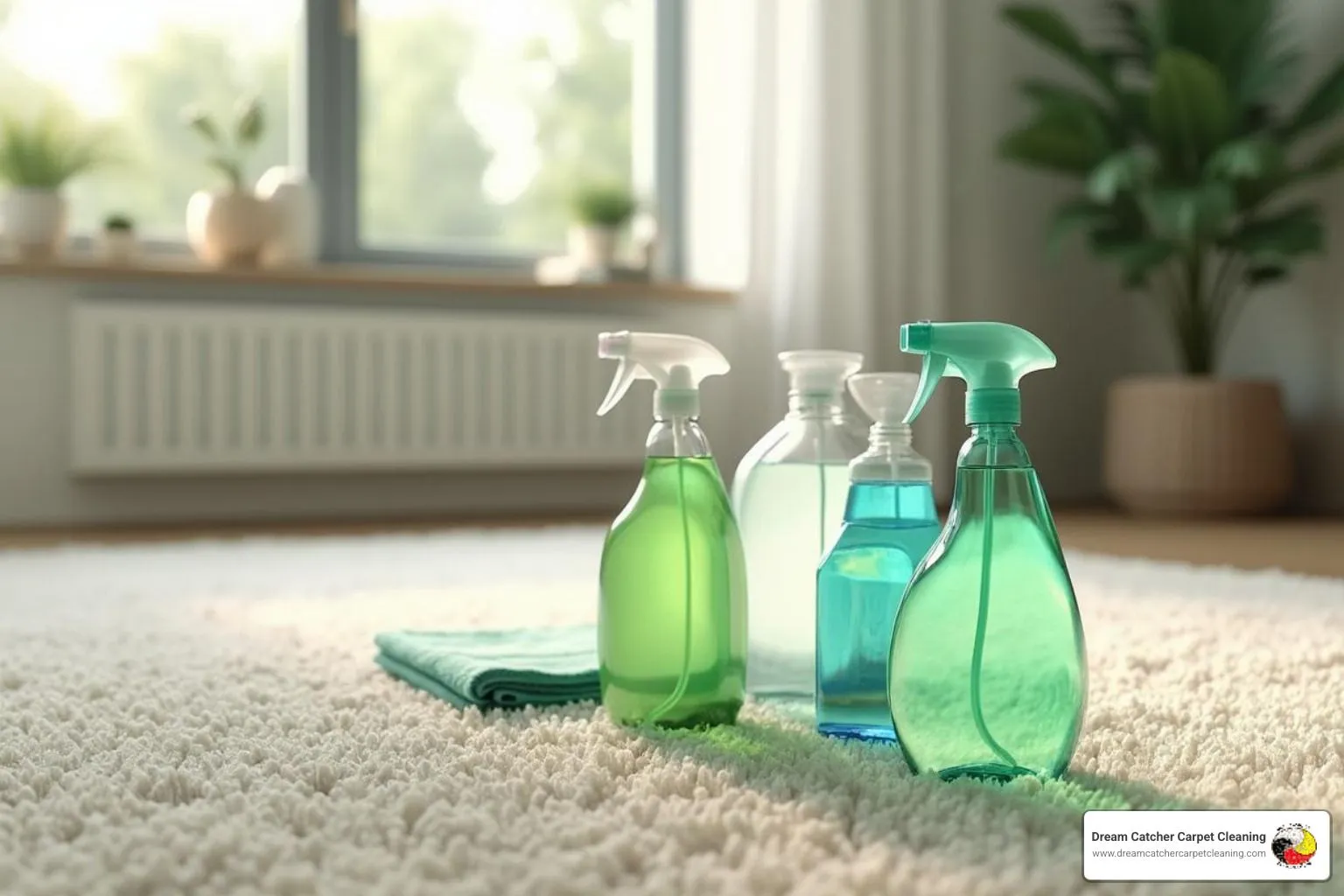
In an age when more of us are paying attention to the ingredients in the products we use, cleaning supplies are no exception. If you’re looking to clean your home without breathing in harsh fumes or coating your surfaces with synthetic chemicals, homemade cleaners may be a practical alternative.
Using simple, everyday ingredients like citrus peels, white vinegar, lemon juice, and baking soda, you can create effective cleaners that are gentler on your health, your wallet, and the environment.
Why Ditch Commercial Cleaning Products?
Many household cleaning products contain volatile organic compounds (VOCs), artificial fragrances, and strong surfactants that may contribute to:
- Respiratory irritation
- Skin allergies or sensitivities
- Headaches or asthma triggers in sensitive individuals
- Indoor air pollution
Indoor air quality is a real concern. According to the U.S. Environmental Protection Agency (EPA), indoor air can be significantly more polluted than outdoor air due in part to household products, building materials, and limited ventilation.
By switching to simpler cleaning methods or choosing EPA Safer Choice-certified products, you can reduce exposure to potentially irritating chemicals while still maintaining a clean home.
Benefits of Making Your Own Cleaner
1. Better for Your Health
Fewer synthetic chemicals may mean fewer triggers for headaches, skin irritation, or respiratory discomfort in sensitive individuals.
2. Budget-Friendly
Most DIY cleaners use inexpensive household staples like vinegar, baking soda, and citrus peels, reducing reliance on commercial cleaning products.
3. Reduced Plastic Waste
Reusable spray bottles and homemade solutions help reduce packaging waste from single-use cleaning product containers.
4. Effective Cleaning Power
Natural ingredients like acids (vinegar, lemon), mild abrasives (baking soda), and essential oils can help cut grease, deodorize, and lift grime.

DIY Cleaner Recipes That Actually Work
🍊 Citrus-Infused All-Purpose Vinegar Spray
Use for: Countertops, windows, tiles, sinks, stainless steel (avoid natural stone)
Ingredients:
- Orange, lemon, or lime peels
- White distilled vinegar
- Water
- Glass jar + spray bottle
Instructions:
- Fill a jar with citrus peels.
- Cover completely with vinegar.
- Let sit for 1–2 weeks.
- Strain into a spray bottle.
- Dilute 1:1 with water before use.
Why it works: Vinegar helps dissolve grease and grime, while citrus oils add fragrance and may enhance degreasing effects.
⚠️ Important safety note: Avoid using vinegar on natural stone surfaces like granite or marble, as acids can damage or etch the surface.
🍋 Lemon & Baking Soda Scrubbing Paste
Use for: Sinks, stovetops, tubs, tile grout, soap scum
Ingredients:
- 1/2 cup baking soda
- Juice of 1 lemon
- Optional: essential oils
Instructions:
- Sprinkle baking soda on the surface or mix into a paste.
- Add lemon juice (it will fizz).
- Scrub with a sponge and rinse.
Why it works: Baking soda provides gentle abrasion, while lemon juice helps break down grease and mineral buildup.
🪟 Simple Glass & Mirror Cleaner
Use for: Windows, mirrors, glass surfaces
Ingredients:
- 1/4 cup white vinegar
- 1/4 cup rubbing alcohol (70%)
- 2 cups water
- Optional: essential oils
Instructions:
- Mix ingredients in a spray bottle.
- Shake well before use.
- Spray and wipe with a lint-free cloth.
Why it works: Alcohol speeds evaporation, vinegar helps dissolve residue, and streaking is minimized with proper wiping.
What About Disinfection?
It’s important to clarify a key point: vinegar and lemon juice are not reliable disinfectants for all pathogens, even though they can reduce some bacteria.
For true disinfection, especially after handling raw meat or during illness, health authorities often recommend using EPA-registered disinfectants or hydrogen peroxide (3%), which can be effective when left on surfaces for the recommended contact time.
⚠️ Safety warning: Never mix vinegar with bleach or hydrogen peroxide, as dangerous chemical reactions can occur.
Not Ready to DIY? Look for EPA Safer Choice Products
If DIY cleaning isn’t for you, that’s completely fine. A good alternative is choosing products certified under the EPA Safer Choice program, which screens cleaning products for ingredients that are safer for human health and the environment while still maintaining performance standards.
A Small Change That Makes a Big Impact
Switching to homemade or safer cleaning products can help:
- Reduce chemical runoff into waterways
- Lower plastic packaging waste
- Improve indoor air quality
- Reduce exposure to irritating substances
Even small changes in household cleaning habits can add up across millions of homes.
Final Thoughts
Making your own cleaner is a simple but meaningful step toward a healthier home environment. It’s not about eliminating every commercial product, it’s about making more informed, intentional choices.
With a few basic ingredients, you can clean effectively, save money, and reduce environmental impact, all at the same time.
Try one recipe, experiment safely, and see what works best for your home.
Resources & References
- U.S. Environmental Protection Agency – Indoor Air Quality
- U.S. Environmental Protection Agency – Safer Choice Program
- Centers for Disease Control and Prevention – Cleaning and Disinfecting Guidance
- U.S. Environmental Protection Agency – Volatile Organic Compounds (VOCs)
- National Institute of Environmental Health Sciences – Indoor Air Pollution
- U.S. National Library of Medicine – Household cleaning products and asthma/respiratory effects
