


Combat climate change one meal at a time, by planning ahead, wasting less, and eating with the planet in mind.
Every day, people around the world throw away perfectly edible food, half-eaten meals, forgotten leftovers, and produce that spoils before it’s used. It is estimated that roughly one-third of all food produced globally is lost or wasted. When food ends up in landfills, it decomposes without oxygen and produces methane, a greenhouse gas that is significantly more potent than carbon dioxide over a short time horizon.
This is not just an environmental issue, it is also a social and economic one. While millions face food insecurity, households and supply chains collectively waste billions of dollars’ worth of food each year.
The good news is that a simple habit, meal planning, can make a meaningful difference.
Meal planning is a low-effort, high-impact strategy that helps reduce food waste, save money, and lower your environmental footprint. When combined with sustainable eating patterns such as plant-forward diets, the impact becomes even greater.
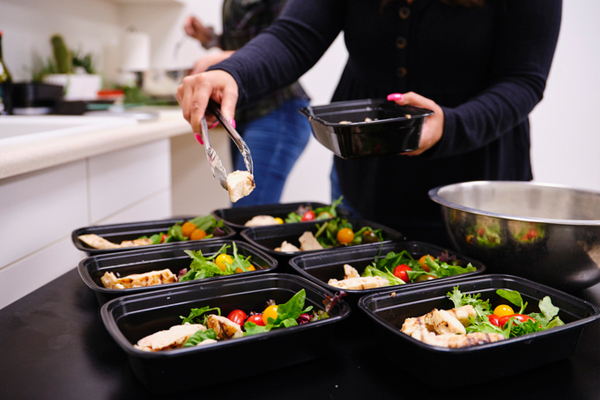
The Environmental Toll of Food Waste
Before looking at solutions, it helps to understand why food waste matters so much:
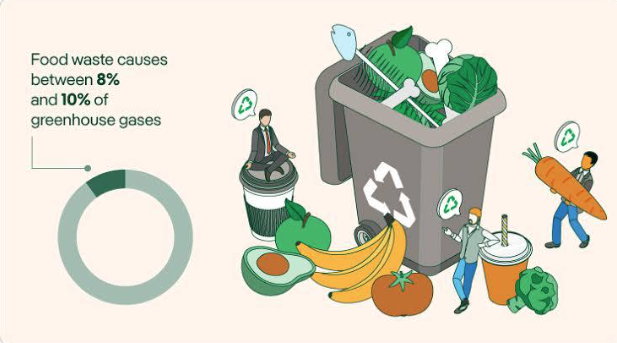
- Greenhouse gas emissions: Food loss and waste account for roughly 8–10% of global greenhouse gas emissions, depending on the assessment method. If food waste were a country, it would rank among the top emitters globally.
- Resource waste: Wasted food also means wasted water, land, labor, and energy. For example, producing 1 pound of beef can require over 1,800 gallons of water (though estimates vary depending on production systems and geography).
- Land use and biodiversity loss: Expanding agriculture to meet demand contributes to deforestation and habitat loss, even while a significant portion of food is never consumed.
According to Project Drawdown, reducing food waste is one of the most impactful climate solutions available today, especially because it addresses inefficiencies across the entire food system.
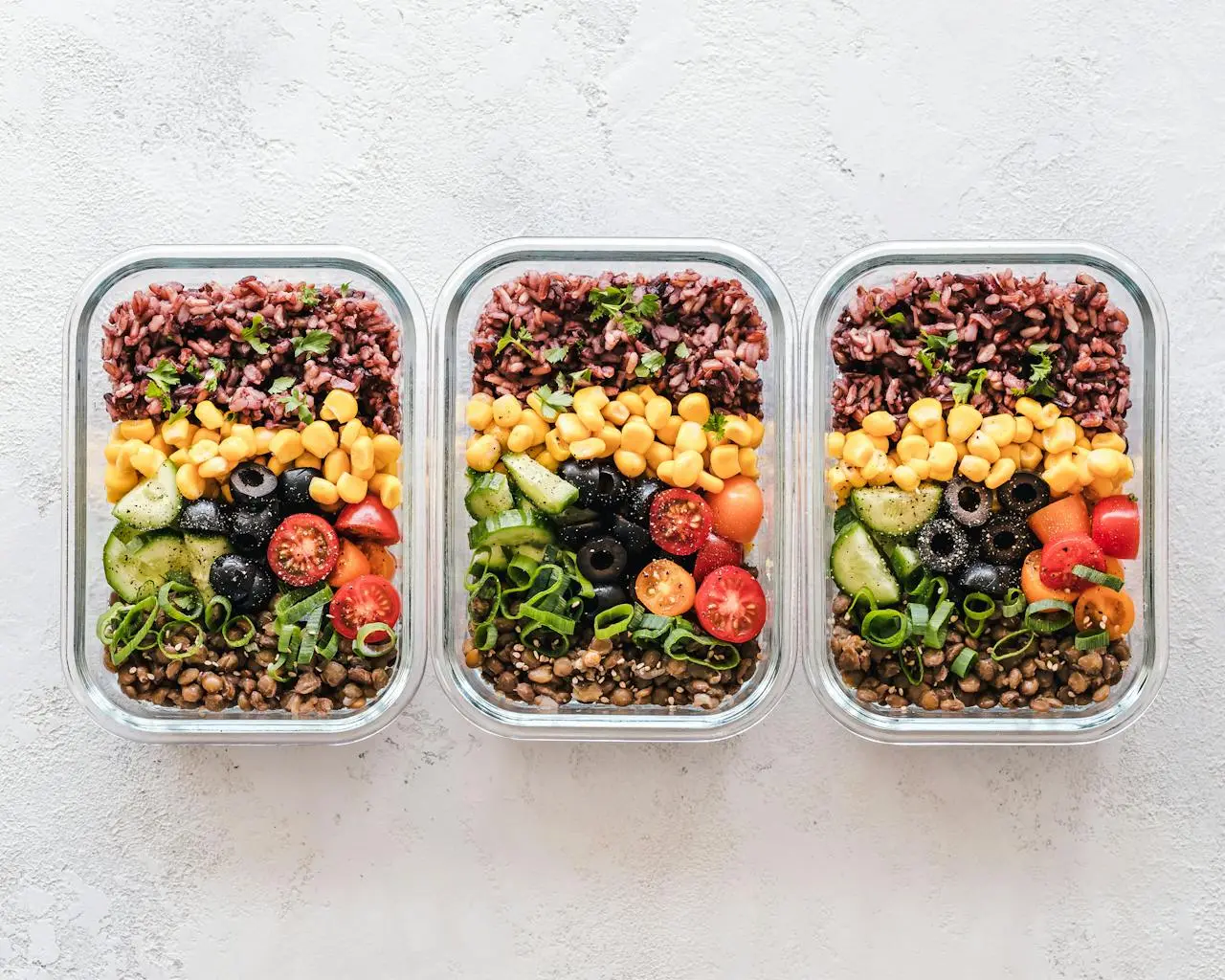
Meal Planning: A Practical Solution
Meal planning means deciding in advance what you will eat over a set period—usually a few days or a week. At its core, it is about intentional consumption: buying, cooking, and using what you actually need.
Here’s how meal planning helps reduce food waste:
1. You Buy What You Need and Use It
Planning meals ahead of time reduces impulse purchases and helps ensure ingredients are actually used before they spoil.
2. Leftovers Get a Purpose
Instead of being forgotten, leftovers are intentionally built into future meals—turning roasted vegetables into wraps, soups, or grain bowls.
3. Fewer Forgotten Ingredients
Herbs, dairy, and fresh produce are common sources of household waste. Meal planning increases the likelihood that perishable ingredients get used on time.
4. Less Last-Minute Takeout
Having a plan reduces reliance on spontaneous takeout, which often increases packaging waste and food cost.
The Planetarian Diet: Eating for a Better Future
Meal planning becomes even more powerful when paired with planet-friendly eating habits, such as those promoted by the Planetarian Diet concept.
What is the Planetarian Diet?
The Planetarian Diet is a flexible, sustainability-focused approach to eating that emphasizes:
- Mostly plant-based foods, with limited meat and dairy
- Seasonal, local, and minimally processed ingredients
- Reduced food waste through full ingredient use
- Balanced nutrition for both human and environmental health
Unlike strict dietary rules, it focuses on flexibility and gradual improvement rather than perfection.
How Meal Planning Supports It
Meal planning naturally reinforces these principles:
- Replacing beef or lamb with plant proteins like lentils, beans, or tofu can significantly reduce greenhouse gas emissions per meal (exact amounts vary widely by production method and region).
- Seasonal ingredients reduce transportation and storage emissions.
- Using whole ingredients (e.g., carrot tops in pesto, broccoli stems in stir-fries) reduces edible waste.
Getting Started: 6 Planet-Friendly Meal Planning Tips
1. Check Your Fridge First
Start by using what you already have before shopping.
2. Plan Flexibly
Instead of assigning strict meals to specific days, plan a set of adaptable meals.
3. Cook Once, Eat Twice
Batch cooking reduces effort and ensures leftovers are intentionally used.
4. Use Simple Weekly Themes
Examples: Meatless Monday, Stir-Fry Friday, Soup Sunday.
5. Track Your Waste
Noting what you throw away helps identify patterns over time.
6. Use Your Freezer Strategically
Freeze fruits, vegetables, grains, and leftovers before they spoil.
Bonus: Sample 3-Day Planetarian Meal Plan
Day 1
- Breakfast: Overnight oats with apples
- Lunch: Chickpea salad wraps
- Dinner: Lentil and sweet potato curry (extra portions can be frozen or reused)
Day 2
- Breakfast: Toast with hummus and tomato
- Lunch: Leftover curry with rice
- Dinner: Roasted vegetable quinoa bowls (use remaining produce)
Day 3
- Breakfast: Smoothie with frozen banana and spinach
- Lunch: Quinoa wrap with leftovers
- Dinner: Spaghetti with mushroom and lentil bolognese
Conclusion: Small Steps, Big Impact
Food waste is one of the most solvable climate challenges, and it starts at home.
By planning meals, using ingredients more intentionally, and shifting toward more plant-forward eating patterns, individuals can reduce waste, save money, and lower their environmental impact.
Perfection is not required. Consistency is what matters.
Ready to Take Action?
- Download a meal planning template
- Try a plant-forward shopping list
- Experiment with leftover-friendly recipes
- Share your progress to inspire others
Resources & References
- FAO – Food Wastage Footprint & Global Food Losses
- UNEP Food Waste Index Report
- Project Drawdown – Food Waste Solution
- U.S. EPA – Sustainable Management of Food
- USDA – Food Waste and Loss Resources
- World Resources Institute – Reducing Food Loss and Waste
- Our World in Data – Food Waste and Climate Impact
