


We often hear the phrase “every little bit helps” and when it comes to the climate crisis, that couldn’t be more true. If you’ve been looking for an easy, realistic way to make a difference for the environment, Meatless Mondays might be the perfect place to start. It’s a small commitment with a surprisingly large impact.
The Climate Cost of Meat
The environmental toll of the meat industry is significant. Producing animal-based foods requires large amounts of water, land, and energy, and it generates a disproportionate share of greenhouse gas emissions.
According to large-scale global research, animal-based foods account for roughly 50–60% of food-related greenhouse gas emissions, while providing a much smaller share of global calories and protein. Plant-based foods account for a smaller portion of emissions overall.
Livestock farming is also a major source of methane, a greenhouse gas that is significantly more potent than carbon dioxide over a 100-year period. The most widely used modern estimate is that methane has a global warming potential about 28–34 times that of CO₂ over 100 years (higher over 20 years).
Deforestation, especially in regions like the Amazon, is often linked to agricultural expansion for cattle grazing and animal feed crops such as soy (much of which is used for livestock rather than direct human consumption).
This means the burger on your plate often carries a much higher environmental footprint than plant-based meals like bean burritos or vegetable stir-fries.
What Is Meatless Monday?
Meatless Monday is a global public health and sustainability initiative that encourages people to skip meat one day a week, on Mondays, to improve both personal health and environmental outcomes.
The modern campaign was relaunched in 2003 by the Johns Hopkins Bloomberg School of Public Health, though similar “meatless” initiatives date back to World War I-era food conservation efforts in the United States.
The concept is simple: you don’t need to overhaul your entire diet. Just choose one day a week to go meat-free.
The Benefits of Going Meat-Free (Even One Day a Week)
1. Environmental Benefits
- Lower greenhouse gas emissions: Reducing meat consumption decreases demand for livestock production and associated emissions.
- Water conservation: Producing one pound of beef can require roughly 1,800 gallons of water (estimates vary depending on production systems and geography).
- Reduced deforestation pressure: Lower meat demand can reduce pressure to clear land for grazing and feed crops.
- Improved ecosystem health: Fewer livestock operations can reduce manure runoff and air pollution in some regions.
2. Health Benefits
Research consistently shows that diets higher in plant-based foods and lower in red and processed meats are associated with reduced risk of heart disease, type 2 diabetes, and certain cancers.
Plant-forward diets can also support better fiber intake, cholesterol levels, and gut health.
3. Economic & Ethical Benefits
- Plant-based meals are often more affordable than meat-based meals, especially when built around legumes, grains, and seasonal produce.
- Reducing meat consumption can align with animal welfare and ethical food production concerns.
- Lower grocery costs can make healthy eating more accessible over time.

How to Get Started with Meatless Mondays
Switching things up doesn’t have to be difficult, expensive, or boring. In fact, it can be a fun and delicious way to explore new foods.
Easy Tips to Make the Transition Smooth:
- Plan ahead: Choose your Meatless Monday meals in advance.
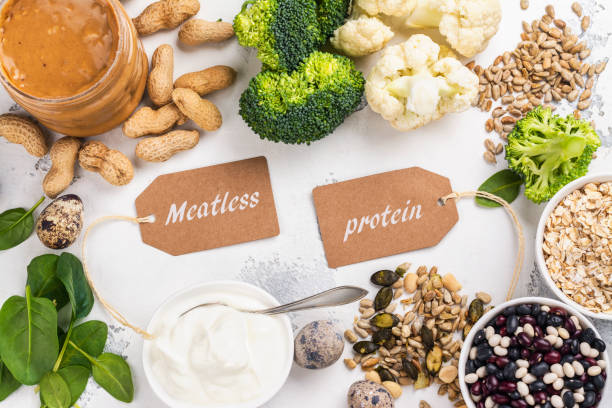
- Start familiar: Try veggie pizza, pasta primavera, lentil soup, bean tacos, or veggie burgers.
- Explore global cuisines: Many cultures feature naturally plant-based dishes like Indian chana masala, Ethiopian lentils (misir wot), Thai tofu curry, or Mediterranean falafel bowls.
- Batch cook: Prepare larger portions of plant-based meals for leftovers.
- Go social: Invite family or friends to join you or try it as a shared weekly challenge.
Small Change, Big Impact
You might be wondering: does skipping meat one day a week really matter? Evidence suggests it can add up significantly when widely adopted.
Estimates from environmental and public health analyses suggest that if one day per week of meat consumption were replaced with plant-based meals across large populations, it could lead to substantial reductions in greenhouse gas emissions, water use, and land demand. However, exact equivalency figures (such as “cars off the road”) vary depending on assumptions and should be interpreted cautiously.
The key takeaway is clear: widespread small changes can create large collective impact.
Progress Over Perfection
You don’t need to become vegan or vegetarian to make a difference. Meatless Monday is about starting where you are and making one intentional change each week. That small shift can reduce environmental impact, improve health, and inspire broader lifestyle changes over time.
So next Monday, try skipping the meat. Explore something new. Share your experience. Your plate really can be part of the solution.
Resources & References
- Meatless Monday – History and Overview
https://www.meatlessmonday.com/about/history/ - Our World in Data – Environmental Impacts of Food
https://ourworldindata.org/environmental-impacts-of-food - IPCC Sixth Assessment Report (AR6), Climate Change Science Basis
https://www.ipcc.ch/report/ar6/wg1/ - World Health Organization – Healthy Diet Fact Sheet
https://www.who.int/news-room/fact-sheets/detail/healthy-diet - FAO (Food and Agriculture Organization) – Water Use in Agriculture
https://www.fao.org/land-water/water/water-food-agriculture/en/ - Project Drawdown – Food and Agriculture Solutions
https://drawdown.org/sectors/food
