


In recent years, consumers have started paying closer attention not only to how beauty products perform, but also to how they are made, packaged, and sourced. As a result, clean and eco-conscious makeup brands have grown in popularity, offering alternatives that prioritize transparency, sustainability, and ethical practices.
The beauty industry is a major contributor to global packaging waste. Industry reports estimate that billions of units of beauty packaging are produced each year, much of it made from mixed plastics and materials that are difficult to recycle. Concerns about ingredient safety, animal testing, unsustainable sourcing, and excessive waste have also encouraged many consumers to rethink their beauty routines.
Fortunately, many brands are now working to reduce their environmental footprint while creating products that are safer, more transparent, and more responsibly produced. Choosing clean, eco-conscious makeup can support both personal well-being and broader sustainability efforts.
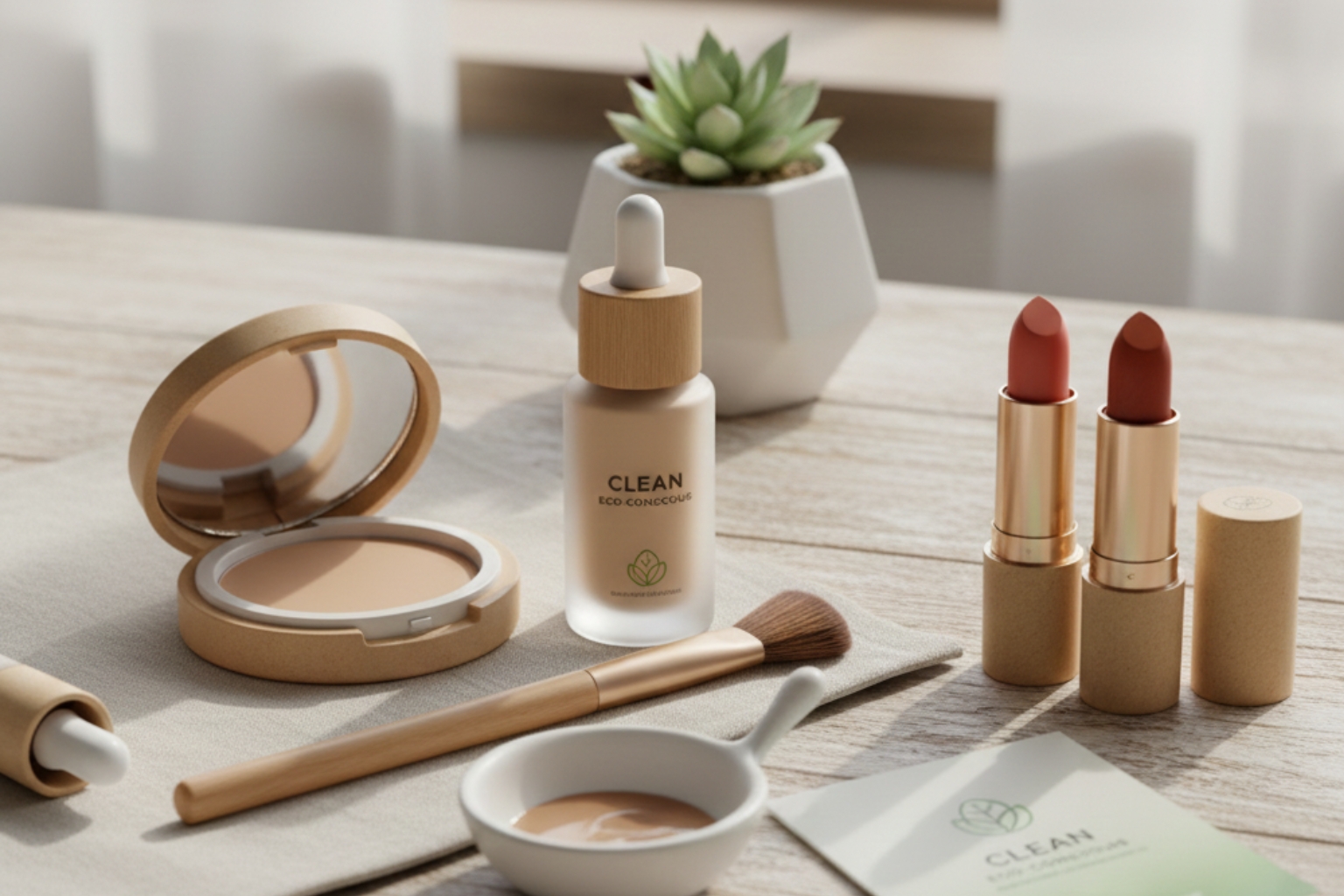
What Does “Clean” and “Eco-Conscious” Mean?
The terms “clean,” “green,” and “natural” are widely used in beauty marketing, but they are not always regulated or consistently defined. Understanding what these labels actually mean can help consumers make more informed choices.
Clean Makeup
Clean makeup generally refers to products formulated without certain ingredients that some consumers or organizations consider potentially harmful or irritating.
These ingredients may include:
- Parabens
- Phthalates
- Formaldehyde-releasing preservatives
- Synthetic fragrances
- Certain dyes or additives
Many clean beauty brands focus on ingredient transparency and simpler formulations.
Eco-Conscious Makeup
Eco-conscious beauty focuses on reducing environmental impact throughout the product’s lifecycle.
This may include:
- Recyclable or refillable packaging
- Responsibly sourced ingredients
- Cruelty-free production
- Reduced plastic use
- Lower-emission manufacturing or shipping practices
Some companies also publish sustainability reports or seek third-party certifications to support their environmental claims.
Why Does It Matter?
The beauty industry creates significant environmental waste and resource consumption.
Common Environmental Concerns
- High volumes of plastic packaging waste
- Mixed-material packaging that is difficult to recycle
- Microplastics in some cosmetic formulations
- Unsustainable sourcing of ingredients such as palm oil or mica
- Energy and water use during manufacturing and transportation
There are also ongoing ethical concerns surrounding labor practices, animal testing, and supply chain transparency in some parts of the industry.
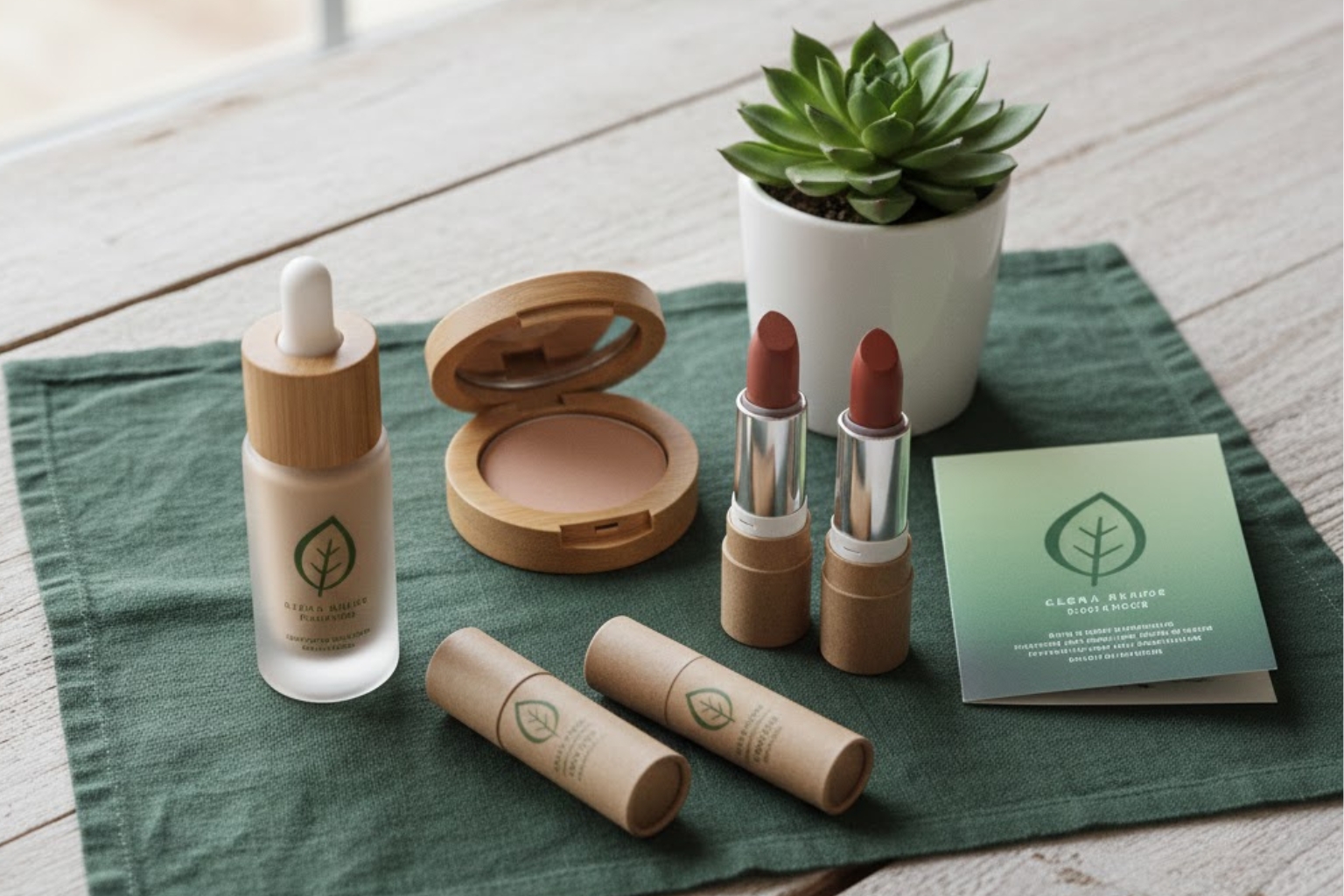
The Benefits of Choosing Eco-Conscious Makeup Brands
Supporting sustainable beauty brands can encourage more responsible industry practices and help reduce environmental impact over time.
1. Helps Reduce Packaging Waste
Many eco-conscious brands now offer:
- Refillable makeup systems
- Glass or aluminum containers
- Recyclable packaging
- Compostable or paper-based packaging materials
Reducing single-use plastic packaging can help decrease landfill waste and pollution.
2. Greater Ingredient Transparency
Clean beauty brands often provide more detailed ingredient information, allowing consumers to better understand what they are putting on their skin.
This can be especially helpful for individuals with allergies, sensitivities, or ingredient preferences.
3. Supports More Ethical Sourcing
Some sustainable beauty companies prioritize responsibly sourced ingredients, including:
- Fair-trade mica
- Sustainably certified palm oil
- Organic plant-based ingredients
- Traceable supply chains
These efforts may help reduce environmental harm and improve labor conditions within supply chains.
4. Cruelty-Free and Vegan Options
Many eco-conscious brands avoid animal testing and offer vegan formulations.
Consumers may look for certifications such as:
- Leaping Bunny
- Cruelty Free International
- Vegan Society certifications
5. Encourages Industry Accountability
As consumer demand for sustainable products grows, more beauty companies are improving packaging, ingredient sourcing, and environmental reporting.
Choosing eco-conscious brands can help encourage broader industry change.
What to Look for When Shopping
When evaluating beauty brands, consider the following:
Ingredient Transparency
Look for brands that clearly list ingredients and explain their formulations.
Packaging Choices
Prefer products with:
- Refillable packaging
- Recyclable materials
- Reduced plastic use
- Minimal packaging waste
Certifications
Helpful certifications may include:
- USDA Organic
- Ecocert
- Leaping Bunny
- B Corp Certification
- FSC-certified packaging
Company Ethics
Research the company’s:
- Sustainability commitments
- Ingredient sourcing policies
- Labor and manufacturing practices
- Environmental initiatives
Transparency is often a strong indicator of accountability.
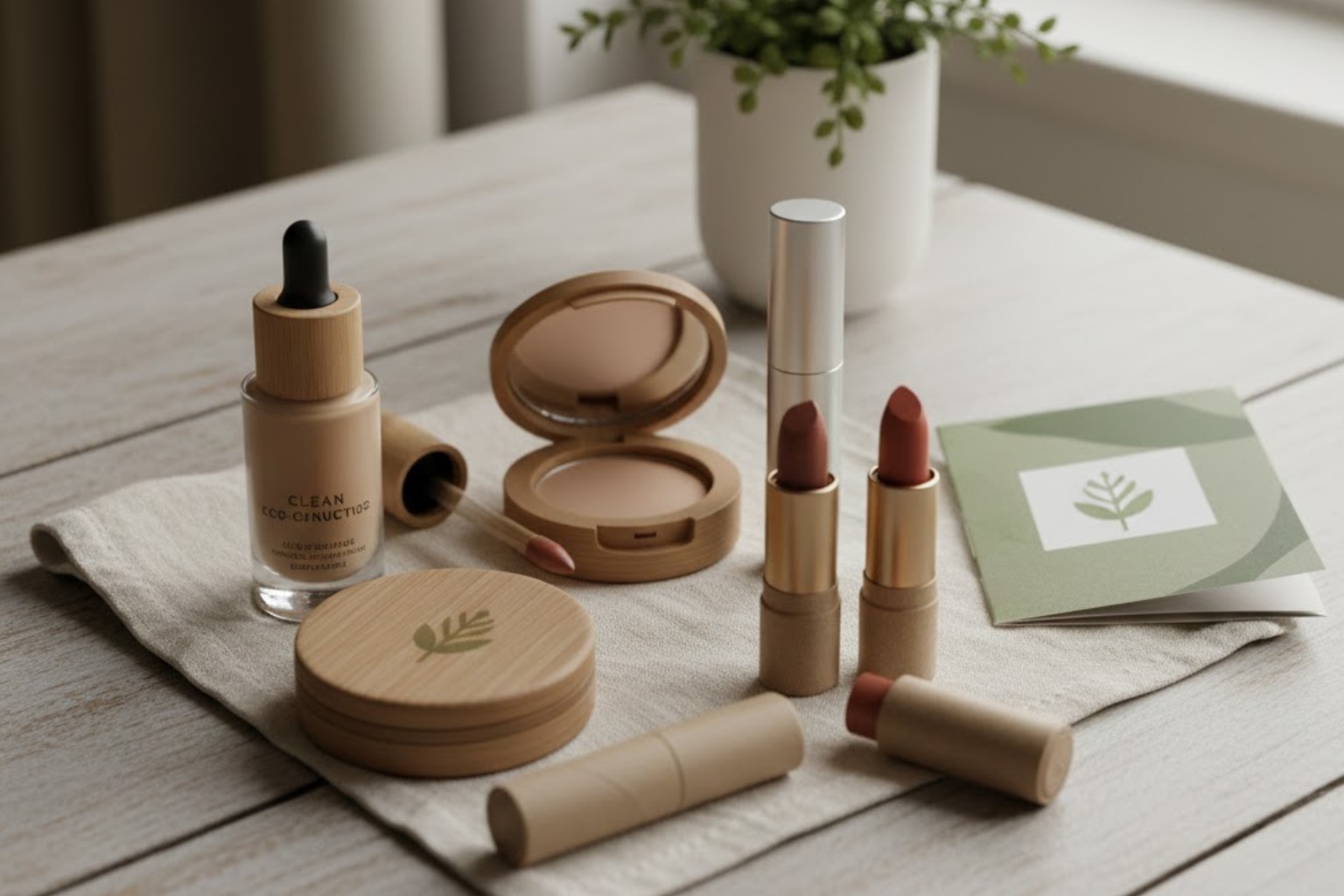
How to Transition to a Cleaner Makeup Routine
You do not need to replace your entire beauty collection at once. Gradual changes can still make a meaningful impact.
Simple Ways to Start
- Finish products you already own before replacing them
- Replace one item at a time with a lower-waste alternative
- Choose multipurpose products to reduce overall consumption
- Invest in refillable systems for frequently used items
- Recycle packaging properly when possible
Small changes in purchasing habits can reduce waste and encourage more mindful consumption.
Final Thoughts: Sustainable Beauty Is the Future
Clean and eco-conscious beauty reflects a growing movement toward greater transparency, sustainability, and ethical responsibility within the cosmetics industry.
While no product is completely impact-free, choosing brands that prioritize safer ingredients, responsible sourcing, and reduced packaging can help lower environmental harm and support more sustainable business practices.
Beauty should not come at the expense of human health, animal welfare, or the environment. By making thoughtful purchasing decisions, consumers can help shape a beauty industry that values both personal care and planetary well-being.
Resources & References
- Environmental Working Group – Skin Deep Cosmetics Database
https://www.ewg.org/skindeep/ - U.S. Food and Drug Administration – Cosmetics Safety and Regulation
https://www.fda.gov/cosmetics - Cruelty Free International
https://www.crueltyfreeinternational.org - Leaping Bunny
https://www.leapingbunny.org - B Lab – B Corporation Certification
https://www.bcorporation.net - University of Georgia Extension – Sustainable Living and Consumer Resources
https://extension.uga.edu/topic-areas/family-consumer-sciences.html - Athens-Clarke County Sustainability Office
https://www.accgov.com/sustainability
