


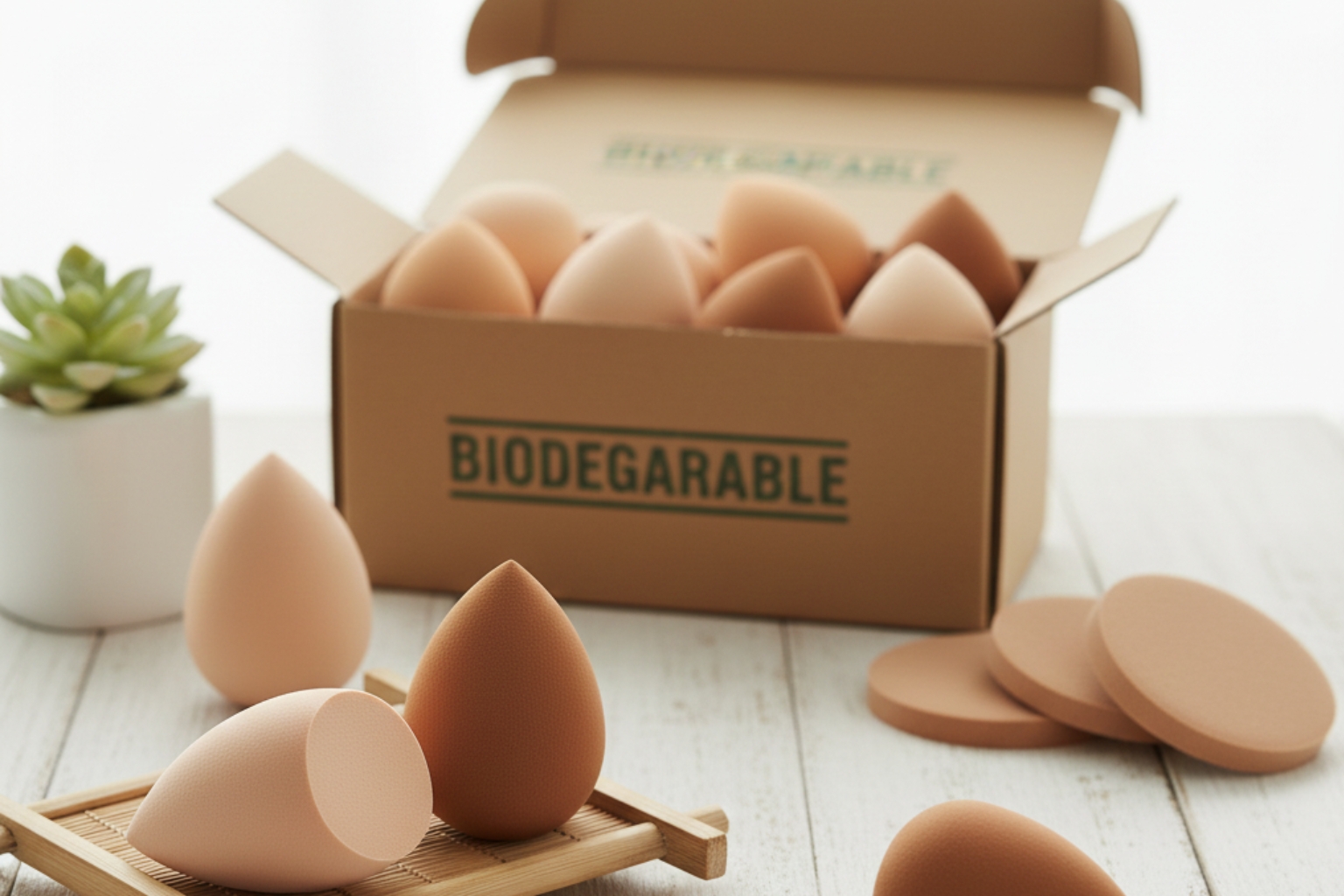
Makeup can be an empowering and creative form of self-expression, but many beauty tools come with an environmental cost that often goes unnoticed.
The beauty industry generates large amounts of waste each year, including packaging, disposable wipes, applicators, and synthetic makeup sponges. Many conventional cosmetic sponges are made from polyurethane foam or latex-based materials that do not biodegrade easily and may contribute to long-term landfill waste and microplastic pollution.
Fortunately, more sustainable alternatives are becoming widely available. Biodegradable makeup sponges made from plant-based or naturally derived materials, offer a lower-waste option for applying makeup while supporting a more eco-conscious beauty routine.
What Are Biodegradable Makeup Sponges?
Biodegradable makeup sponges are designed to function similarly to conventional cosmetic sponges but are made from materials that break down more naturally over time under appropriate composting or disposal conditions.
Common materials include:
- Konjac root fiber
- Natural cellulose from plant pulp
- Natural sea sponge
- Bamboo or cornstarch-based fibers
These alternatives are often marketed as reusable, lower-waste, or compostable depending on the material composition and manufacturing process.
The Environmental Problem with Conventional Makeup Sponges
Traditional cosmetic sponges are typically made from synthetic foams derived from petroleum-based plastics.
Common Environmental Concerns
- Most are not recyclable through standard recycling systems
- Synthetic foams may persist in landfills for many years
- Some products contain dyes, adhesives, or chemical additives
- Worn-down synthetic materials may contribute to microplastic pollution over time
- Packaging is often plastic-based and disposable
Why Choose Biodegradable Makeup Sponges?
Switching to biodegradable or reusable beauty tools can help reduce waste while supporting more sustainable consumer habits.
1. Helps Reduce Plastic Waste
Natural or plant-based sponges may break down more easily than petroleum-based synthetic foams, reducing long-term landfill accumulation.
Products made with compostable or biodegradable materials may also help reduce dependence on single-use plastics.
2. Gentler Material Options
Some users find natural sponges softer or less irritating on sensitive skin, especially fragrance-free or dye-free varieties.
However, skin reactions vary by individual and material type.
3. Renewable Materials
Materials such as konjac root and cellulose are derived from renewable plant sources and may require fewer fossil-fuel-based inputs compared to synthetic plastics.
Responsibly harvested sea sponges may also provide a renewable alternative when sourced sustainably.
4. Encourages Lower-Waste Beauty Habits
Many eco-conscious beauty brands pair biodegradable tools with:
- Minimal packaging
- Recyclable materials
- Refillable cosmetic systems
- Cruelty-free manufacturing practices
Small changes in beauty routines can contribute to broader waste-reduction efforts.
Types of Biodegradable Makeup Sponges
Konjac Sponges
Konjac sponges are made from the root of the konjac plant, traditionally used in skincare routines across parts of Asia.
Common Uses
- Gentle facial cleansing
- Applying skincare products
- Blending lightweight makeup products
They typically arrive dry and expand when soaked in water.
Cellulose Sponges
Cellulose sponges are made from plant fibers or wood pulp and are commonly used for cosmetic application and cleansing.
Benefits
- Soft texture
- Reusable with proper care
- Plant-based material composition
Natural Sea Sponges
Natural sea sponges are harvested from marine environments and are sometimes used as reusable cosmetic applicators.
Important Note
Consumers concerned about marine conservation may wish to research harvesting practices carefully and look for sustainably sourced options.
How to Use and Care for Biodegradable Makeup Sponges
Using biodegradable sponges is generally similar to using traditional makeup sponges.
Basic Care Tips
- Wet the sponge before use if required by the material
- Use gentle soap or cleanser for washing
- Rinse thoroughly after each use
- Allow the sponge to air dry completely
- Replace regularly according to manufacturer recommendations
Proper cleaning is important to prevent bacteria buildup and extend product lifespan.
What to Look for When Buying
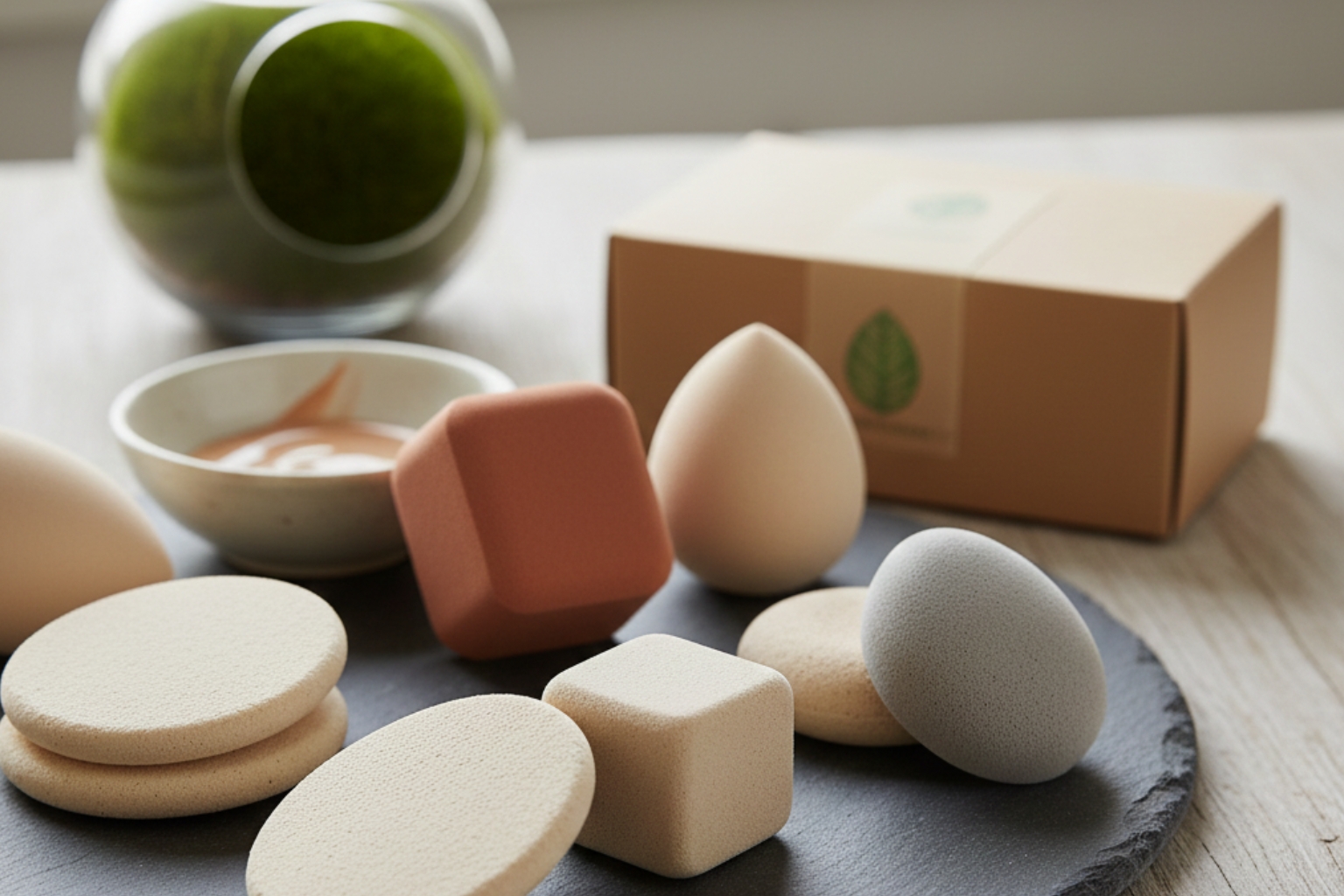
To identify more sustainable beauty tools, consider checking for:
Materials
Look for products made with:
- Natural cellulose
- Konjac root
- Bamboo fiber
- Compostable plant-based materials
Avoid products with unnecessary synthetic fillers when possible.
Packaging
Choose brands that use:
- Recyclable packaging
- Compostable materials
- Plastic-free shipping options
- Minimal packaging designs
Certifications
Helpful certifications may include:
- Cruelty-free
- Vegan
- FSC-certified paper packaging
- Certified compostable materials
The Bigger Picture: Sustainable Beauty Choices Matter
The beauty industry is increasingly moving toward sustainability, and consumers play an important role in shaping that shift.
Choosing reusable or biodegradable makeup tools can help:
- Reduce plastic waste
- Lower demand for petroleum-based materials
- Encourage companies to adopt sustainable practices
- Promote more mindful consumption habits
Sustainability does not require perfection. Even small swaps can contribute to long-term environmental improvements.
Bonus Tips for an Eco-Friendly Beauty Routine
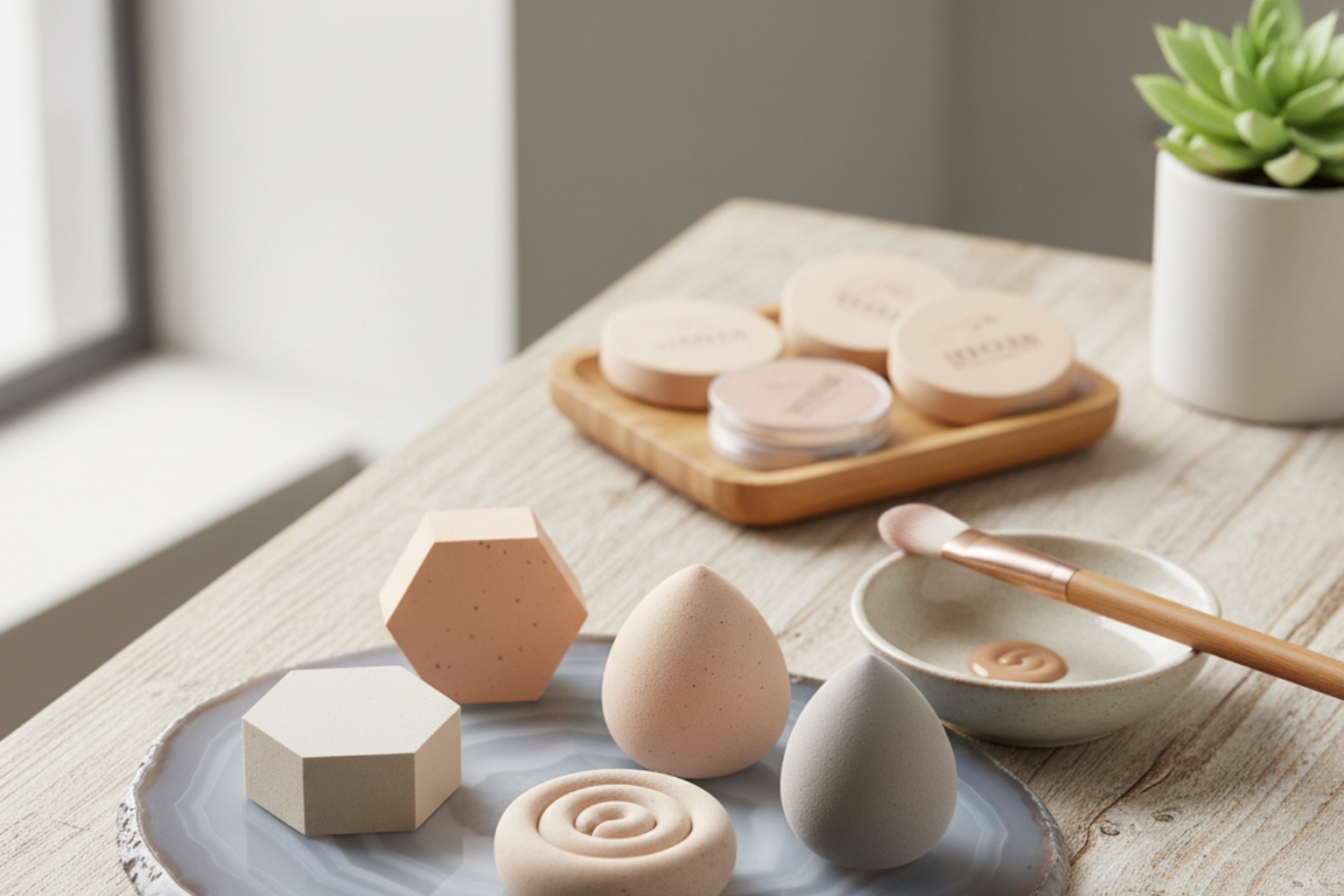
If you want to make your beauty routine more sustainable, consider combining biodegradable sponges with:
- Refillable makeup containers
- Reusable cotton rounds
- Bamboo-handled brushes
- Fragrance-free and cruelty-free cosmetics
- Minimal or plastic-free packaging
Building a lower-waste beauty routine can happen gradually over time.
Final Thoughts: A Cleaner Blend, A Cleaner Planet
Biodegradable makeup sponges offer a practical way to reduce waste without giving up the convenience or creativity of makeup application.
Whether you are simplifying your skincare routine or building a more environmentally conscious beauty kit, choosing reusable and plant-based alternatives can make a meaningful difference over time.
You do not need to abandon beauty products to live more sustainably—you simply need to make more thoughtful choices about the tools you use every day.
Resources & References
- U.S. Environmental Protection Agency – Sustainable Materials Management
https://www.epa.gov/smm - National Geographic Society – Plastic Pollution Resources
https://www.nationalgeographic.com/environment/topic/plastic-pollution/ - Plastic Pollution Coalition
https://www.plasticpollutioncoalition.org - Zero Waste Europe – Low-Waste Consumer Resources
https://zerowasteeurope.eu/ - University of Georgia Extension – Sustainable Living Resources
https://extension.uga.edu/topic-areas/family-consumer-sciences.html - Athens-Clarke County Sustainability Office
https://www.accgov.com/sustainability - Earth911 Recycling and Sustainability Guides
