


Periods are a natural part of life, but the way menstrual care products are produced, used, and disposed of can have a significant environmental impact.
Every year, billions of disposable menstrual products, including pads, tampons, and liners are discarded worldwide. Many of these products contain plastic, synthetic fibers, adhesives, and chemical additives that can take hundreds of years to break down in landfills.
Research estimates that a person who menstruates may use thousands of disposable menstrual products over their lifetime. While exact numbers vary depending on cycle length and product choice, the environmental footprint of single-use menstrual care is substantial.
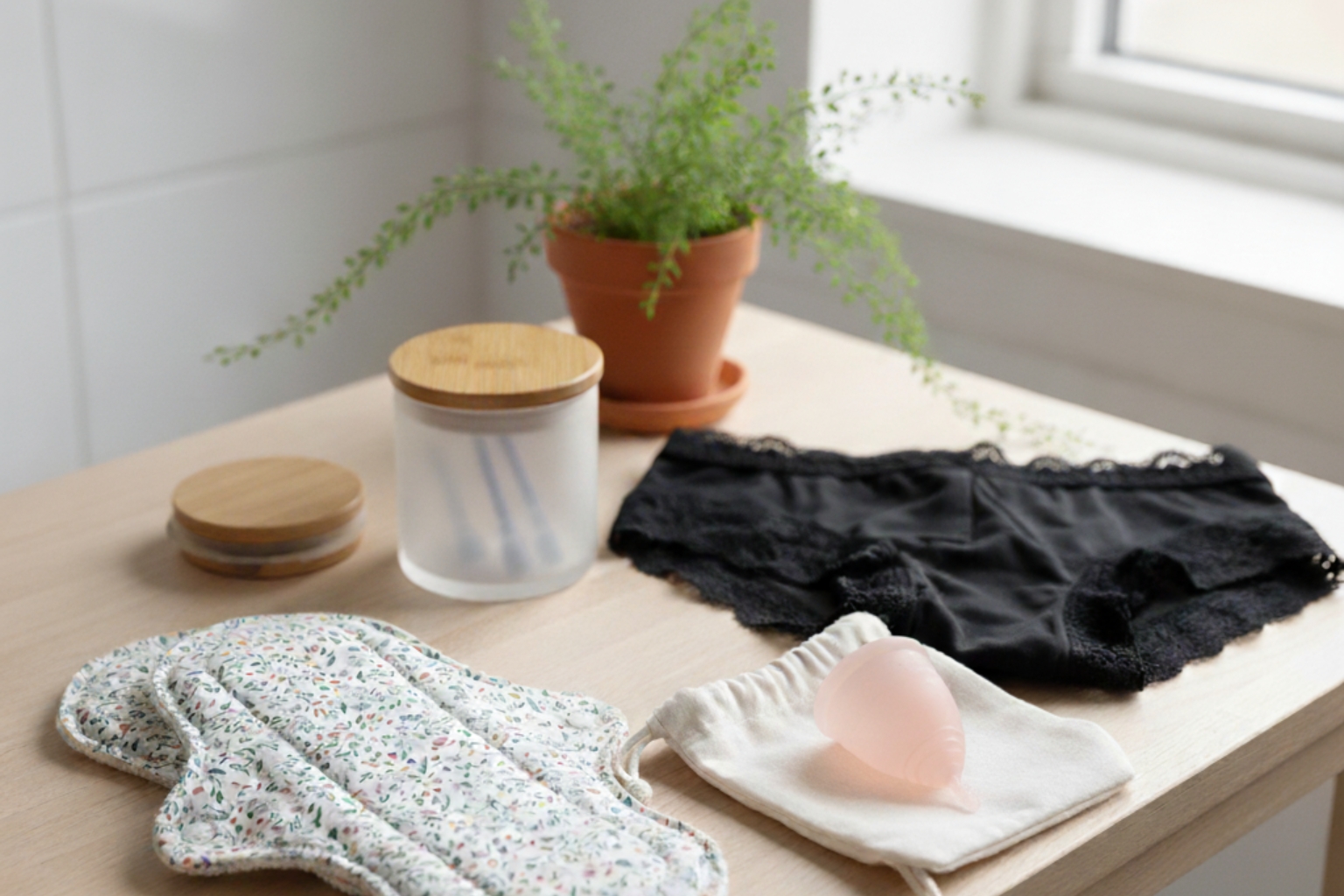
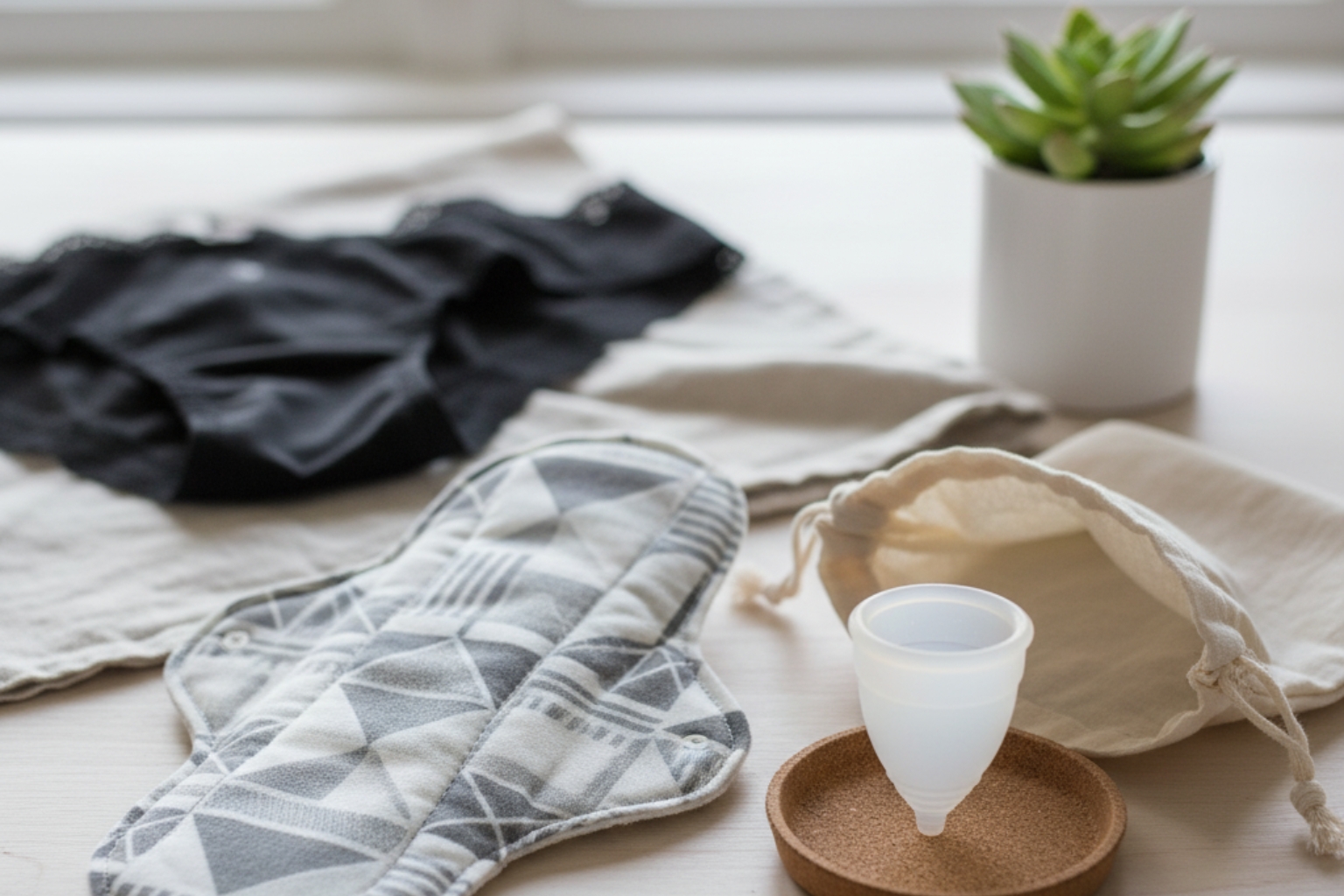
Fortunately, sustainable menstrual products offer an effective, safe, and environmentally conscious alternative. From menstrual cups and reusable underwear to organic cotton products and cloth pads, there are now more options than ever for people looking to reduce waste and make healthier choices.
The Hidden Costs of Disposable Menstrual Products
Traditional menstrual products are designed for convenience, but they also create environmental and waste concerns.
1. Plastic Waste
Many disposable pads contain significant amounts of plastic in their backing, packaging, and absorbent layers.
Plastic components in pads, wrappers, and applicators can persist in the environment for hundreds of years. Disposable menstrual products are also commonly found in marine debris and shoreline cleanups.
2. Chemical Exposure and Skin Sensitivity
Some disposable menstrual products may contain fragrances, dyes, adhesives, or bleaching by-products that can cause irritation for sensitive individuals.
While modern menstrual products sold in many countries are regulated for consumer safety, some users choose organic or fragrance-free alternatives to reduce exposure to potential irritants.
3. Environmental Impact of Production
Manufacturing disposable products requires raw materials, water, energy, packaging, and transportation. These processes contribute to greenhouse gas emissions and waste generation throughout the product lifecycle.
Reducing reliance on single-use products can help lower long-term environmental impact.
What Are Sustainable Menstrual Products?
Sustainable menstrual products are designed to be reusable, biodegradable, or made with more environmentally conscious materials. They can help reduce waste, lower long-term costs, and provide alternatives for people seeking different menstrual care options.
1. Menstrual Cups
Menstrual cups are typically made from medical-grade silicone, rubber, or thermoplastic elastomer (TPE). They collect menstrual fluid rather than absorbing it.
Benefits
- Reusable for several years with proper care
- Can often be worn for up to 8–12 hours depending on flow
- Produce very little waste
- Available in different sizes and firmness levels
Studies and manufacturers estimate that one reusable cup may replace hundreds or even thousands of disposable products over its lifespan.
2. Period Underwear
Period underwear is designed with absorbent layers that can be washed and reused.
Benefits
- Reusable for multiple years with proper care
- Available in different absorbency levels
- Can be worn alone or combined with other products
- May reduce dependence on single-use products
Period underwear has become increasingly popular for comfort, convenience, and reduced waste.
3. Organic Cotton Pads and Tampons
Organic menstrual products are generally made without synthetic fragrances, dyes, or chlorine bleaching.
Benefits
- Often gentler on sensitive skin
- Some products are biodegradable or compostable under proper conditions
- Produced with organically grown cotton
4. Cloth Pads
Cloth pads are reusable absorbent pads commonly made from cotton, bamboo, or hemp fabrics.
Benefits
- Reusable for several years
- Available in different sizes and absorbencies
- Machine washable
- Can significantly reduce household waste
Many users also appreciate the comfort and customizable options cloth pads provide.
Environmental Benefits of Making the Switch
Reduces Waste
Reusable menstrual products can dramatically reduce the amount of waste generated over a lifetime. A single menstrual cup or set of reusable pads may replace hundreds of disposable products.
Reduces Plastic Pollution
Choosing reusable or lower-waste alternatives helps reduce plastic entering landfills, waterways, and oceans.
Supports More Sustainable Consumption
Reusable products encourage longer product use cycles and reduced consumption of single-use goods, aligning with broader low-waste and sustainability practices.
May Lower Resource Use Over Time
Although reusable products require water and energy for cleaning, lifecycle assessments suggest some reusable menstrual products may have lower environmental impacts over time compared to disposable products.
Financial Benefits: Saving Money Over Time
Reusable menstrual products often involve a higher upfront cost but may reduce long-term spending.
Examples include:
- Menstrual cups typically cost around $20–$40 and may last several years
- Period underwear generally costs more initially but can be reused repeatedly
- Disposable products create recurring monthly expenses
Over time, many users report significant savings by switching to reusable products.
Tips for Making the Transition
Switching to sustainable menstrual care may take some adjustment. Here are a few ways to make the transition easier:
- Start with one product type to see what works best for your comfort and lifestyle
- Combine methods, such as using period underwear alongside a menstrual cup
- Track your cycle to determine absorbency needs
- Give yourself time to adapt, especially when trying reusable products for the first time
Finding the right product may take experimentation, and preferences vary from person to person.
Choosing Sustainable Brands
Many companies now offer reusable or lower-waste menstrual care products. When shopping, consider looking for:
- Transparent ingredient lists
- Reusable or recyclable packaging
- Ethical sourcing practices
- Third-party safety testing or certifications
It is also helpful to read care instructions carefully to maximize product lifespan and hygiene.
Final Thoughts: Empower Your Period
Menstrual care is personal, but the choices people make can also influence environmental sustainability, health awareness, and consumer habits.
Switching to sustainable menstrual products is one way to reduce waste, limit dependence on single-use plastics, and potentially save money over time. Whether someone chooses reusable cups, cloth pads, period underwear, or lower-waste disposable options, even small changes can contribute to a more sustainable future.
Your period does not have to come at the expense of the planet.
Resources & References
- Women’s Environmental Network – Environmental Impact of Menstrual Products
https://www.wen.org.uk - U.S. Food and Drug Administration – Menstrual Product Safety Information
https://www.fda.gov/medical-devices/home-use-devices/menstrual-tampons-information - UN Environment Programme – Single-Use Plastics and Waste Resources
https://www.unep.org - National Institutes of Health – Research on Menstrual Health and Product Safety
https://www.nih.gov - University of Georgia Extension – Sustainable Living Resources
https://extension.uga.edu/topic-areas/family-consumer-sciences.html - Athens-Clarke County Sustainability Office
https://www.accgov.com/sustainability
