


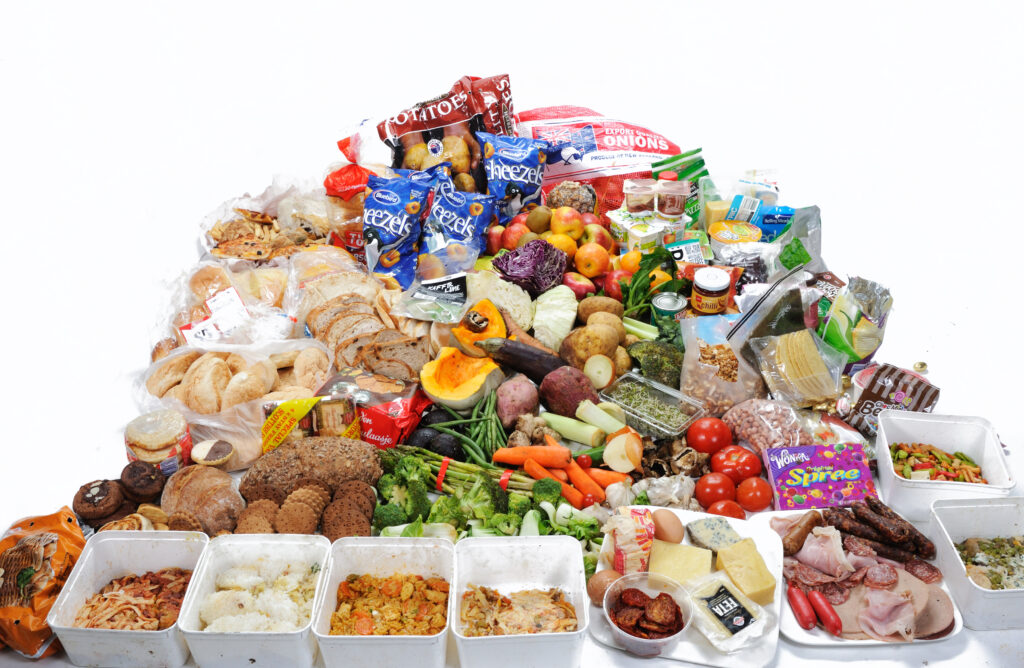
Every banana peel, orange peel, wilted lettuce leaf, or coffee ground you toss in the trash could be doing something far more useful: creating nutrient-rich soil and helping reduce greenhouse gas emissions.
Composting isn’t just for gardeners or “eco-warriors” it’s one of the most practical everyday actions anyone can take to reduce waste, improve soil health, and support a more sustainable food system. Best of all, it’s easier than many people expect.
The Food Waste Problem: More Than Just a Missed Meal
Globally, roughly one-third of all food produced is lost or wasted, about 1.3 billion tons per year.
In homes, that often means compostable scraps like vegetable peels, eggshells, and coffee grounds end up in the trash instead of being recovered.
But here’s the catch: landfills are not designed to break down organic waste efficiently. When food scraps are buried without oxygen, they decompose anaerobically and produce methane, a greenhouse gas that is significantly more potent than carbon dioxide over a 100-year period (about 27–30 times, depending on assessment method).
So tossing your scraps in the trash doesn’t just waste food, it contributes to climate change.
What Is Composting?
Composting is the natural process of recycling organic matter, like food scraps and yard waste, into compost, a nutrient-rich soil amendment.
It mimics natural decomposition, but under controlled conditions that encourage oxygen flow, beneficial microbes, and efficient breakdown.
When managed properly, composting is typically low-odor, safe, and highly effective for reducing waste.
How Composting Helps the Environment
1. Reduces Greenhouse Gas Emissions
Composting diverts organic waste from landfills, helping reduce methane emissions that occur during anaerobic decomposition.
2. Improves Soil Health
Compost enriches soil with organic matter, improves structure, and supports beneficial microbial activity that helps plants grow.
3. Reduces the Need for Synthetic Fertilizers
Healthy compost can reduce reliance on chemical fertilizers, which are energy-intensive to produce and can contribute to water pollution through runoff.
4. Saves Water
Soil enriched with compost retains moisture better, reducing the need for frequent irrigation.
5. Supports Circular Systems
Composting returns nutrients back to the soil, closing the loop between food consumption and regeneration.
What Can Be Composted?
Good to Go (Greens + Browns)
Greens (nitrogen-rich):
- Fruit and vegetable scraps
- Coffee grounds
- Tea bags (remove staples if present)
- Eggshells
- Grass clippings
Browns (carbon-rich):
- Dry leaves
- Shredded newspaper
- Cardboard (non-coated)
- Paper towels (unbleached/clean)
- Untreated wood chips
Avoid Composting (Home Systems)
- Meat, dairy, and bones (can attract pests and create odor in basic setups)
- Oily or greasy foods
- Plastic-coated or synthetic materials
- Diseased plants or invasive weeds
How to Start Composting at Home
1. Choose Your Method
- Backyard bin or pile: Simple outdoor composting using layered organic materials
- Tumbler composter: Enclosed system that makes turning easier and reduces pests
- Indoor systems (Bokashi or vermicomposting): Great for apartments or limited space
- Curbside compost pickup: Available in some cities through municipal programs [availability varies by location]
2. Follow the Basic Balance
- Aim for roughly a 2:1 ratio of browns to greens
- Keep materials moist but not soggy (like a wrung-out sponge)
- Turn or aerate regularly to maintain oxygen flow
3. Harvest Your Compost
In a few months (timing varies depending on method and conditions), food scraps transform into dark, crumbly compost with an earthy smell—ideal for gardens, houseplants, or soil improvement.
Don’t Garden? You Can Still Compost!
No garden? No problem.
- Drop-off programs: Many farmers’ markets or community gardens accept food scraps
- Municipal composting: Some cities provide organic waste collection services
- Community compost hubs: Shared composting sites are growing in many urban areas
- Neighbor sharing: Local gardeners often welcome compostable scraps
Does Composting Really Make a Difference?
Yes, especially at scale.
- The average U.S. household wastes hundreds of pounds of food per year (often estimated around 400–650 lbs depending on methodology and household size).
- Diverting food waste from landfills reduces methane emissions and supports soil regeneration systems.
- The EPA estimates that food waste is the largest category of material placed in landfills in the United States.
Even small-scale composting contributes to measurable reductions in waste and emissions when adopted broadly.
Dirt Is Not the End – It’s the Beginning
When we throw food away, we’re not just discarding nutrients, we’re losing an opportunity to regenerate soil and reduce emissions.
Composting is a simple, accessible act that connects everyday life to natural cycles of growth and renewal.
So instead of sending food scraps to landfill, return them to the earth. Turn waste into something that grows, nourishes, and restores.
Because the future of the planet might just start with your apple core.
Resources & References
- Food and Agriculture Organization (FAO) – Food Loss and Food Waste
https://www.fao.org/food-loss-and-food-waste/en/ - U.S. Environmental Protection Agency (EPA) – Landfill Gas Basics
https://www.epa.gov/lmop/basic-information-about-landfill-gas - U.S. EPA – Food Waste Facts and Figures
https://www.epa.gov/facts-and-figures-about-materials-waste-and-recycling/food-material-specific-data - U.S. Department of Agriculture (USDA) – Food Loss and Waste
https://www.usda.gov/foodlossandwaste
