


Bread is a staple in many households, a comforting, versatile food that accompanies countless meals. Yet, despite its popularity, bread is also one of the most wasted food items worldwide. In fact, in the United States alone, bread consistently ranks among the top foods discarded in homes, contributing to the widely cited estimate that 30–40% of the food supply is wasted.
Wasting bread means more than just throwing away a tasty treat, it represents wasted resources, money, and environmental impact. The good news is that saving your bread is easier than you might think, and it can make a real difference in reducing food waste at home.
Why Is Bread So Often Wasted?
Bread’s perishability is one of the main reasons it goes to waste. Unlike canned or frozen foods, bread tends to mold or go stale quickly, especially when left at room temperature. Sliced bread, with its greater surface area exposed to air, can dry out even faster.
Another common issue is buying or baking more bread than can be consumed before it spoils. Many people also don’t realize how easy it is to preserve bread’s freshness, which leads to unnecessary disposal.
How Freezing Saves Your Bread and Your Wallet
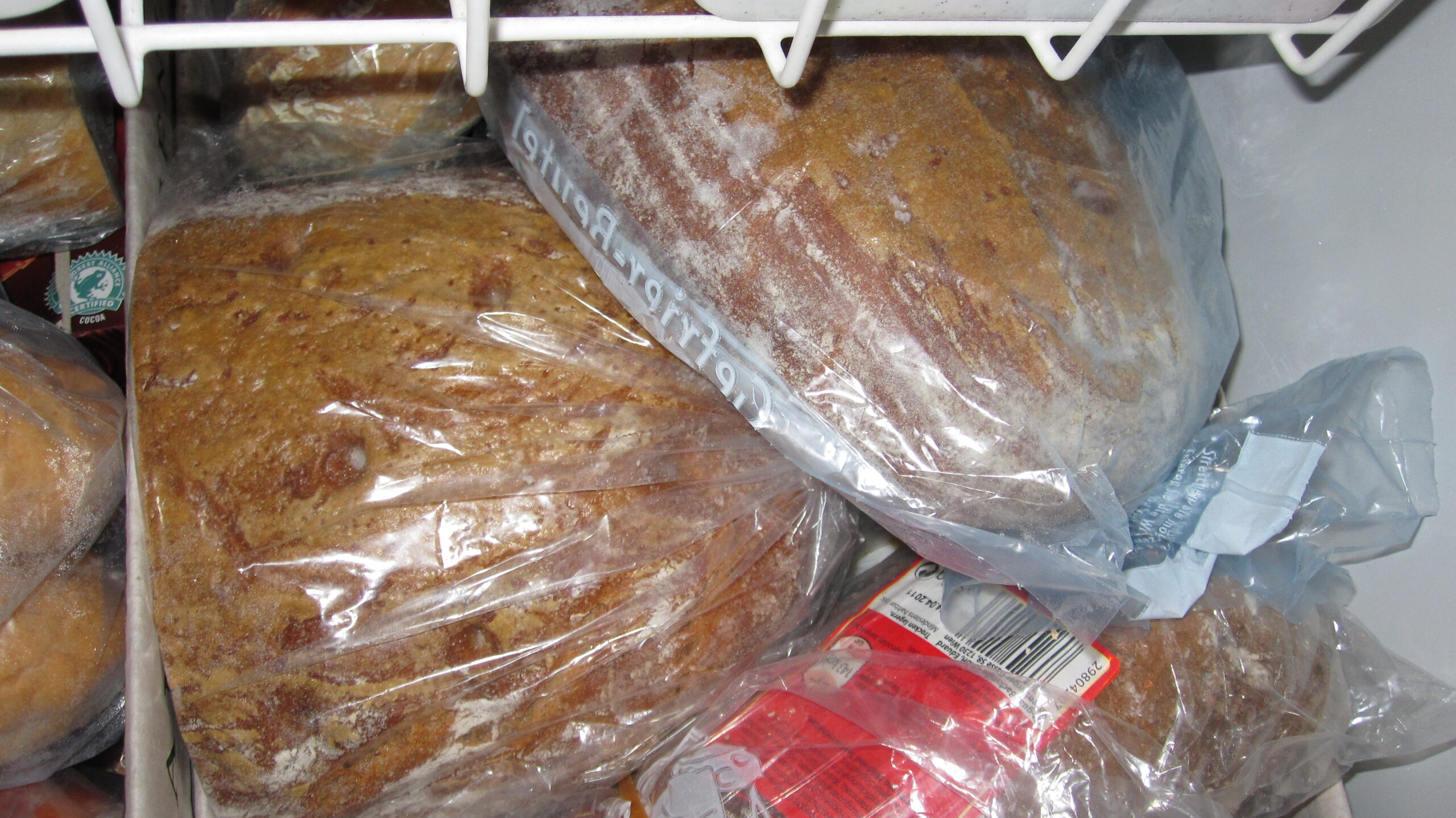
One of the simplest and most effective ways to save bread from going to waste is to freeze it. Freezing bread significantly extends its shelf life without compromising quality, flavor, or texture when done correctly.
Why Freeze Bread?
- Extends freshness: Freezing slows down staling and stops mold growth, preserving taste and texture for weeks or even months.
- Convenience: Bread can be stored in portions so you only thaw what you need.
- Reduces waste: Less chance of bread going stale or moldy before you finish it.
- Saves money: Fewer trips to replace spoiled bread.
Practical Tips for Freezing Bread
1. Freeze Bread as Soon as Possible
Don’t wait until bread starts to go stale—freeze it while it’s still fresh if you know you won’t finish it soon.
2. Slice Before Freezing
If possible, slice the loaf before freezing. This allows you to remove only what you need.
3. Wrap Properly
To prevent freezer burn, wrap bread tightly in plastic wrap, aluminum foil, or an airtight freezer bag. Remove as much air as possible.
4. Label with Date
For best quality, use frozen bread within about 2–3 months.
5. Toast or Thaw Directly from Frozen
Sliced bread can go straight into the toaster. Larger pieces can be thawed at room temperature or gently reheated in the oven.
Other Ways to Rescue Bread and Reduce Waste
Use Stale Bread Creatively
If your bread is stale but not moldy, it can still be delicious:
- Croutons: Cube, season, and bake for salads or soups
- Bread pudding: Sweet or savory comfort dish
- French toast: Stale bread absorbs egg mixture better
- Breadcrumbs: Blend and store for cooking or topping dishes
Store Bread Properly
For short-term storage (1–2 days), keep bread in a cool, dry place such as a breadbox or paper bag. Plastic bags can trap moisture and encourage mold.
Buy and Bake Smart
Purchase or bake only what you expect to eat within a few days. Smaller loaves or rolls can help reduce waste in smaller households.
The Bigger Picture: How Saving Bread Helps the Planet
Food waste is a major contributor to global greenhouse gas emissions. When bread is discarded in landfills, it decomposes without oxygen (anaerobically), producing methane.
Important note (fact-check): Methane is a powerful greenhouse gas, but its warming impact is more accurately estimated at about 28–34 times stronger than CO₂ over 100 years according to the IPCC [value varies by timeframe and assessment].
By saving bread, you help:
- Reduce unnecessary greenhouse gas emissions
- Conserve water, energy, and land used in wheat production
- Support more efficient and sustainable food systems
Small Actions, Big Impact
Saving your bread is a simple, practical way to contribute to a more sustainable world. With a little planning-freezing bread, using leftovers creatively, and buying more mindfully, you can reduce food waste, save money, and lower your environmental footprint.
So next time you bring home a fresh loaf, remember: your freezer is your best friend. Toast it, freeze it, repurpose it and enjoy every crumb.
Resources & References
- U.S. Environmental Protection Agency (EPA) – Food Waste Overview
https://www.epa.gov/sustainable-management-food - U.S. Department of Agriculture (USDA) – Food Loss and Waste
https://www.usda.gov/foodlossandwaste - ReFED – Insights Engine on Food Waste in the U.S.
https://refed.org/food-waste/the-problem/ - Natural Resources Defense Council (NRDC) – Wasted: How America Is Losing Up to 40 Percent of Its Food
https://www.nrdc.org/resources/wasted-how-america-losing-40-percent-its-food-farm-fork-landfill - IPCC (Intergovernmental Panel on Climate Change) – Climate Change and Land (GHG metrics)
https://www.ipcc.ch/srccl/
