


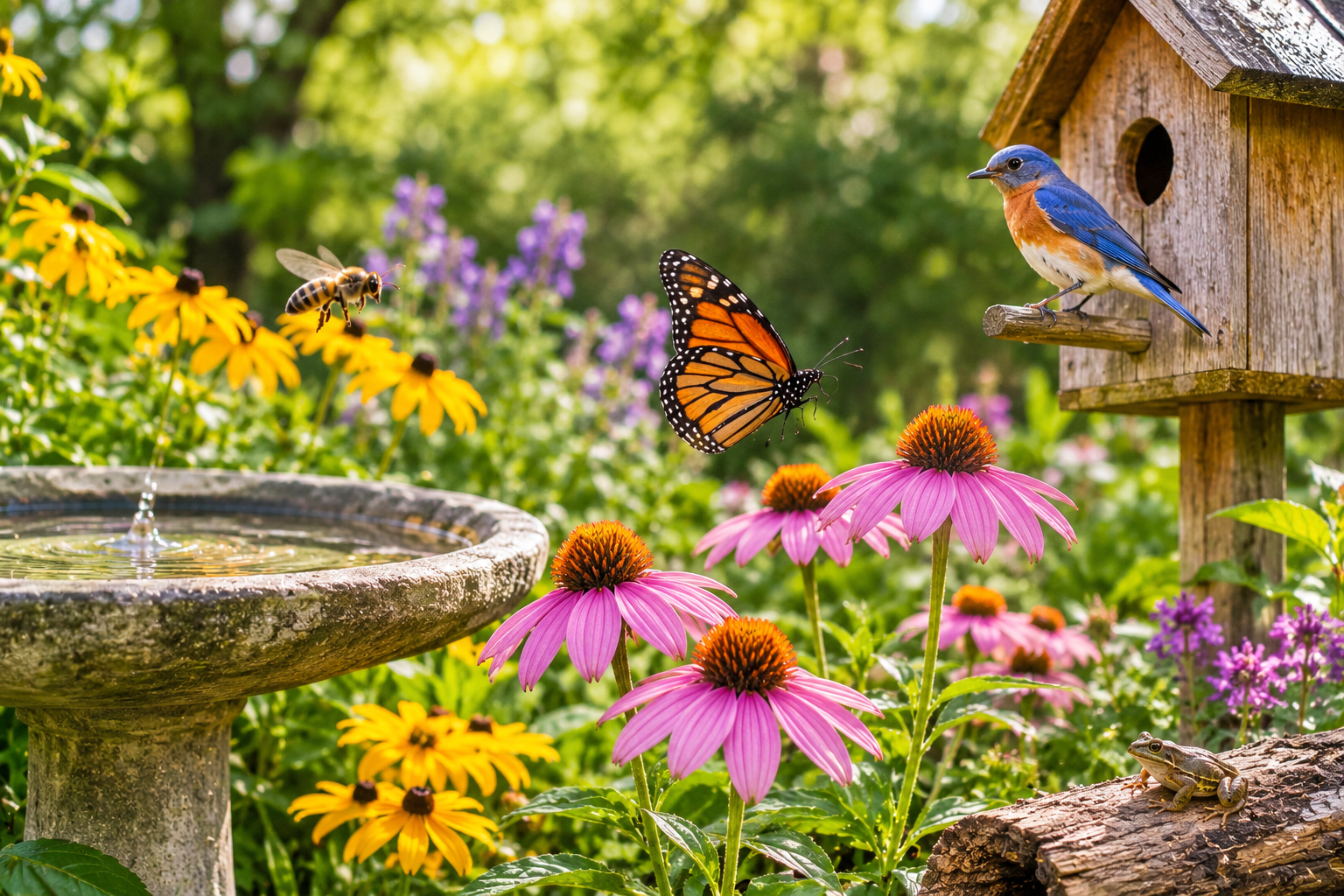
When we think of wildlife conservation, we often picture vast national parks or remote wilderness areas. But the truth is, some of the most meaningful conservation efforts can begin at home. Your backyard, balcony, or community green space has incredible potential to become a thriving habitat for local wildlife.
By creating dedicated spaces for birds, bees, butterflies, amphibians, reptiles, and small mammals, you not only support biodiversity—you also contribute to the health of your local ecosystem. Even small urban or suburban yards can provide essential food, water, shelter, and nesting sites for native species facing increasing habitat loss.
Here’s how—and why—you can start creating wildlife habitats at home.
Why Backyard Habitats Matter
Urban development, intensive agriculture, invasive species, and land-use changes have fragmented natural habitats around the world. As natural areas shrink and become isolated, many native species struggle to find the resources they need to survive.
Habitat loss contributes to:
- Declines in native pollinators, including bees and butterflies
- Population decreases in many songbirds due to reduced nesting sites and food sources
- Disruptions in natural predator-prey relationships that help control garden pests
- Reduced biodiversity and ecosystem resilience
Creating wildlife habitats at home provides safe spaces where native species can feed, breed, and seek shelter. Collectively, thousands of wildlife-friendly yards can form valuable habitat corridors that connect larger natural areas.
What Wildlife Needs to Thrive
Every healthy wildlife habitat provides four basic elements: food, water, shelter, and places to raise young.
1. Food
Native plants are the foundation of any wildlife habitat. They provide nectar, pollen, seeds, berries, and foliage that native wildlife has evolved to use.
Native plants also support native insects—including caterpillars—which are an essential food source for many birds during nesting season.
Planting a diverse selection of native flowers, shrubs, grasses, and trees that bloom or fruit throughout the year helps provide food across the seasons.
2. Water
Every animal needs access to clean water.
Simple water sources include:
- Birdbaths
- Shallow dishes with stones for insects
- Small ponds
- Recirculating fountains
These can attract:
- Birds
- Butterflies
- Native bees
- Dragonflies
- Frogs and toads
- Small mammals
Clean and refill water sources regularly to reduce disease and discourage mosquito breeding.
3. Shelter
Wildlife needs places to hide, rest, escape predators, and survive harsh weather.
Helpful shelter features include:
- Dense native shrubs
- Brush piles
- Leaf litter
- Rock piles
- Hollow logs
- Native grasses
If it is safe to do so, leaving a standing dead tree (called a snag) can provide nesting and feeding habitat for woodpeckers, owls, bats, and many beneficial insects.
4. Places to Raise Young
A complete habitat supports reproduction as well as survival.
You can provide nesting opportunities by:
- Installing birdhouses appropriate for local species
- Leaving patches of bare soil for ground-nesting native bees
- Planting host plants for butterfly and moth caterpillars
- Leaving some areas of your yard undisturbed during nesting season
For example:
- Milkweed serves as the host plant for monarch butterflies.
- Dill, fennel, and parsley support black swallowtail caterpillars.
Steps to Create a Wildlife Habitat
Creating wildlife habitat doesn’t mean abandoning your landscape. It means designing your outdoor space to benefit both people and wildlife.
Step 1: Plant Native Species
Native plants are adapted to local soils, rainfall, and wildlife.
Aim for a mixture of:
- Wildflowers
- Native grasses
- Shrubs
- Trees
Using a variety of plants with staggered bloom times provides nectar and pollen from spring through fall.
Tip: Avoid planting invasive species. Some ornamental plants provide little value to wildlife and may spread into natural areas.
Step 2: Add Water Sources
Provide clean water by installing:
- A shallow birdbath
- A dish with pebbles for bees and butterflies
- A small pond or water feature if space allows
Refresh water regularly and scrub birdbaths weekly to reduce algae and disease.
Step 3: Create Shelter Areas
Design parts of your landscape where wildlife can safely hide.
Ideas include:
- Leaving leaf litter beneath trees
- Building brush piles from pruned branches
- Adding logs and rocks
- Planting dense native shrubs
- Allowing part of your yard to remain more natural
These features provide habitat for insects, reptiles, amphibians, birds, and small mammals.
Step 4: Support Nesting and Breeding
Install nesting boxes designed for species common in your area.
You can also:
- Leave dried plant stems standing through winter for native bees.
- Provide host plants for butterflies.
- Leave patches of bare ground for solitary bees.
- Delay spring cleanup until temperatures are consistently warm so overwintering insects can emerge.
Step 5: Reduce Lawn and Limit Chemical Use
Traditional turfgrass offers relatively little food or shelter for wildlife while often requiring significant watering, mowing, and chemical inputs.
Consider replacing portions of your lawn with:
- Native plant gardens
- Pollinator gardens
- Rain gardens
- Wildflower meadows
- Shrub borders
Avoid or minimize:
- Broad-spectrum insecticides
- Herbicides
- Synthetic fertilizers, when possible
- Insecticides containing neonicotinoids, which have been linked to harmful effects on pollinators when improperly used.
The Benefits of Creating Wildlife Habitat
Wildlife-friendly landscapes provide benefits that extend far beyond your own property.
They can:
- Increase local biodiversity
- Improve pollination of flowers, fruits, and vegetables
- Support natural pest control through birds and beneficial insects
- Improve soil health
- Reduce stormwater runoff
- Create ecological stepping stones between larger natural habitats
For homeowners, wildlife habitats also offer opportunities to observe birds, butterflies, native bees, frogs, and other fascinating creatures right outside the door.
Certify Your Habitat
If you’d like to take your efforts a step further, consider certifying your yard through the National Wildlife Federation’s Certified Wildlife Habitat® program.
To qualify, your landscape must provide:
- Food
- Water
- Cover
- Places to raise young
- Sustainable gardening practices
Certification demonstrates your commitment to conservation and can inspire neighbors to create wildlife-friendly spaces of their own.
Final Thoughts: Start Small, Make a Big Difference
Creating a wildlife habitat doesn’t require acres of land or a complete landscape makeover. Even a balcony with native flowers, a small pollinator garden, or a birdbath can provide valuable resources for local wildlife.
As urbanization continues and natural habitats decline, wildlife-friendly yards become increasingly important. Every native flower planted, every pesticide avoided, and every water source provided helps create healthier ecosystems.
Start where you are. Plant what belongs. And let your yard become part of a larger network of habitats that supports birds, pollinators, and countless other species for generations to come.
Resources & References
National Resources
- National Wildlife Federation – Certified Wildlife Habitat® Program
https://www.nwf.org/Garden-for-Wildlife - U.S. Fish & Wildlife Service – Pollinator Conservation
https://www.fws.gov/pollinators - U.S. Department of Agriculture (USDA) – Pollinators
https://www.usda.gov/topics/pollinators - Xerces Society for Invertebrate Conservation – Pollinator Conservation Resources
https://www.xerces.org/pollinator-conservation
Georgia & Athens Resources
- University of Georgia Extension – Home Garden Resources
https://extension.uga.edu/topic-areas/home-garden.html - University of Georgia Extension – Pollinators
https://extension.uga.edu/topic-areas/environment/pollinators.html - State Botanical Garden of Georgia – Pollinator Plants and Native Plant Resources
https://botgarden.uga.edu/ - Georgia Native Plant Society
https://gnps.org/
Scientific References
- Intergovernmental Science-Policy Platform on Biodiversity and Ecosystem Services (IPBES) – Assessment Report on Pollinators, Pollination and Food Production
https://ipbes.net/assessment-reports/pollinators - National Audubon Society – Why Native Plants Matter
https://www.audubon.org/native-plants
