


In a world where convenience often outweighs sustainability, growing your own fruits and vegetables may seem like a practice from the past. But as environmental awareness grows and concerns about food quality, climate change, and rising grocery costs increase, home gardening is making a powerful comeback and for good reason.
Growing your own produce is one of the most practical ways to reduce your environmental impact, improve your diet, and reconnect with nature. Whether you have a large backyard, a small patio, or simply a sunny windowsill, cultivating fruits and vegetables at home offers benefits that extend far beyond the kitchen.
A Sustainable Solution to Food Production
The modern global food system is complex and resource-intensive. Many fruits and vegetables travel long distances before reaching grocery store shelves, requiring transportation, refrigeration, packaging, and storage along the way.
Research published in Nature Food estimates that food transportation contributes nearly 20% of total food-system greenhouse gas emissions globally. While transportation is only one part of the overall environmental impact of food production, reducing “food miles” through local growing can still make a meaningful difference.
By growing some of your own produce, you can help reduce the need for packaging, shipping, and refrigeration associated with commercially produced food. Home gardening can also decrease reliance on industrial agricultural systems and encourage more sustainable consumption habits.
In addition, home gardens allow individuals to make more environmentally conscious choices, such as composting, conserving water, supporting pollinators, and reducing pesticide use.
Healthier Food, Right Outside Your Door
The benefits of homegrown produce are not only environmental, they are personal as well.
Fresher and More Flavorful
Homegrown fruits and vegetables are often harvested at peak ripeness and consumed shortly afterward. This freshness can improve flavor and help preserve nutrients that may decline during extended storage and transportation.
Greater Control Over Growing Practices
Growing your own food gives you more control over how it is produced. You can choose to garden organically, use compost and natural fertilizers, and minimize or avoid synthetic pesticides and herbicides.
Encourages Healthier Eating Habits
Studies suggest that people who garden often eat more fruits and vegetables. Having fresh produce readily available at home can encourage healthier meals and stronger connections to nutritious foods.
Watching plants grow from seed to harvest can also inspire greater appreciation for fresh ingredients and seasonal eating.
Personal Rewards: Mindfulness, Therapy, and Self-Sufficiency
Gardening supports not only physical health, but emotional well-being as well.
Mental and Emotional Benefits
Research has shown that spending time gardening and interacting with nature may help reduce stress, anxiety, and symptoms of depression. Gardening encourages mindfulness, patience, and a sense of accomplishment.
For many people, caring for plants becomes a calming and restorative activity in an increasingly fast-paced world.
Building Resilience and Self-Sufficiency
Knowing how to grow food can increase confidence and resilience, especially during periods of economic uncertainty or supply chain disruptions. Even a modest garden can supplement household meals and help reduce grocery expenses during growing seasons.
Strengthening Family and Community Connections
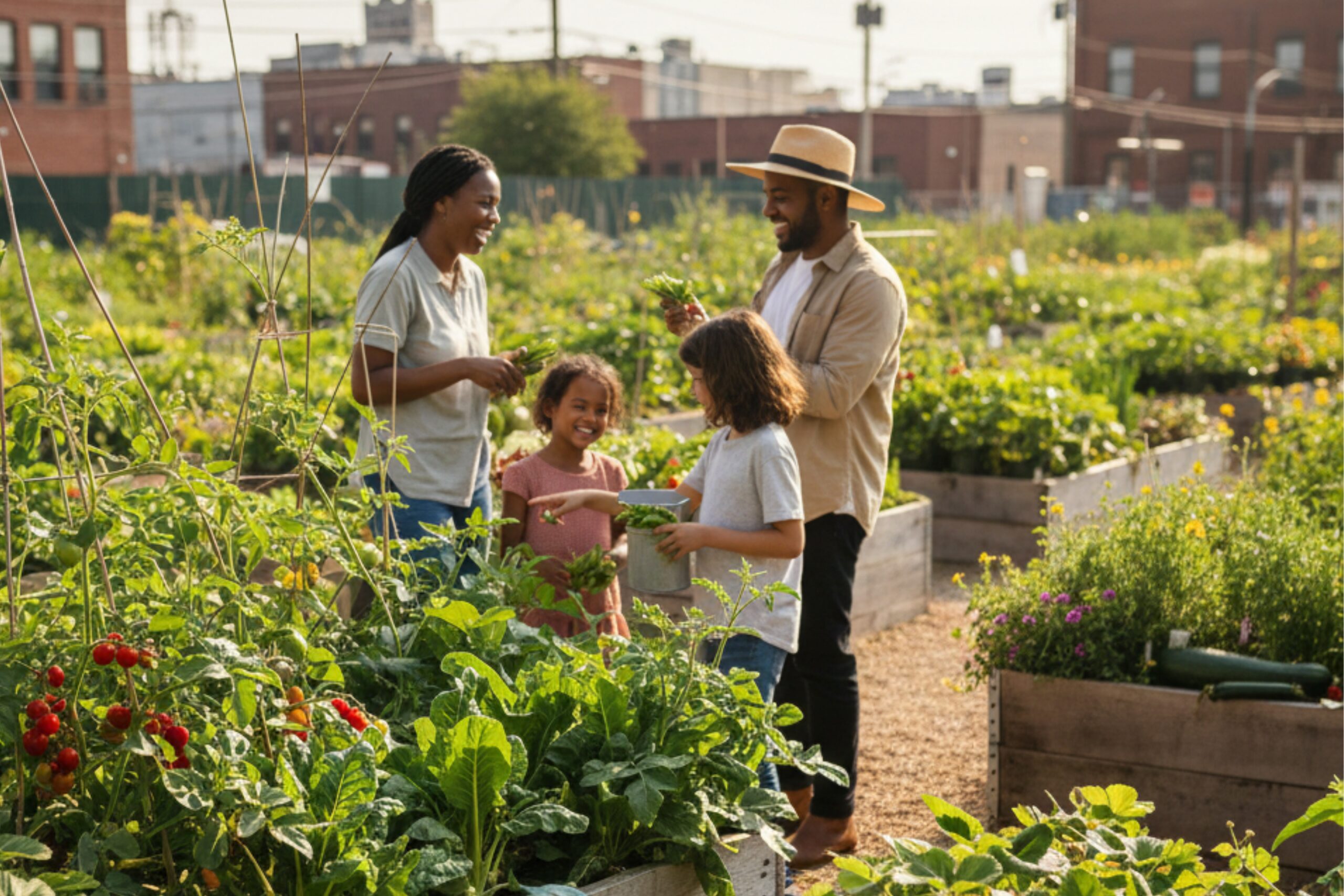
Gardening often becomes a shared activity among families, neighbors, schools, and community groups. It creates opportunities to pass down knowledge, spend time outdoors together, and strengthen local food networks.
Starting Your Home Garden: Simple Steps
You do not need a large property or extensive experience to begin growing food at home. Starting small is often the best approach.
Start with Easy-to-Grow Plants
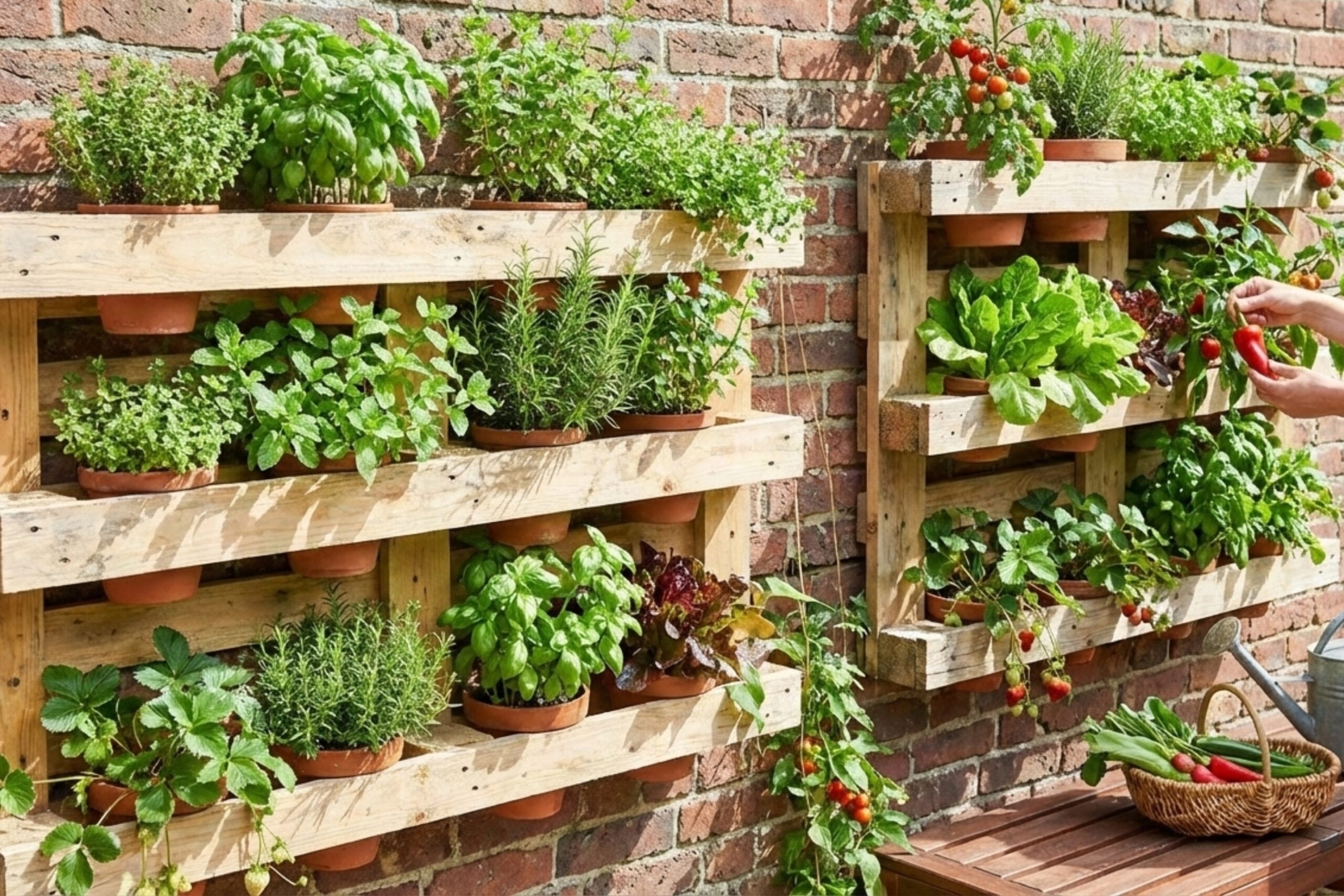
Begin with beginner-friendly crops such as:
- Tomatoes
- Lettuce or spinach
- Green beans
- Carrots
- Herbs like basil, parsley, mint, or chives
These plants often grow well in containers, raised beds, or small garden spaces.
Choose the Right Location
Most vegetables and fruits require at least six hours of sunlight each day. If outdoor space is limited, consider:
- Container gardening
- Vertical gardens
- Hanging baskets
- Indoor hydroponic systems
Build Healthy Soil
Healthy soil is essential for productive gardening. Adding compost improves soil structure, water retention, and nutrient content. Composting kitchen scraps can also help reduce household food waste.
Water Efficiently
Water plants early in the morning or later in the evening to reduce evaporation. Rainwater collection systems and mulch can also help conserve water.
Grouping plants with similar watering needs together improves efficiency and supports healthier growth.
Grow Seasonally
Learning which plants thrive in your local climate and growing season can improve harvest success and reduce stress on plants. Native and climate-appropriate varieties often require fewer resources and less maintenance.
The Bigger Picture: Local Action with Global Impact
Growing your own food may seem like a small action, but widespread participation in home gardening can contribute to broader environmental and social benefits.
Home gardens can help:
- Reduce packaging waste
- Encourage local food production
- Support pollinators and biodiversity
- Promote healthier eating habits
- Increase awareness of sustainable living practices
While home gardening alone will not solve global environmental challenges, it represents a practical and meaningful step individuals can take toward more sustainable living.
Thoughts: Growing More Than Just Food
At its core, gardening is about cultivating life. It teaches patience, responsibility, and appreciation for the natural world. Whether you grow a single tomato plant on a balcony or maintain a full backyard garden, every effort contributes to a healthier and more sustainable future.
By growing your own fruits and vegetables, you are doing more than producing food—you are supporting biodiversity, reducing waste, improving personal well-being, and strengthening resilience at home and within your community.
Sometimes meaningful change begins with something as simple as planting a seed.
Resources & References
- University of Georgia Extension – Vegetable Gardening in Georgia
https://extension.uga.edu/topic-areas/home-garden/vegetable-gardening.html - University of Georgia Extension – Home Gardening Resources
https://extension.uga.edu/publications.html - Athens-Clarke County Sustainability Office
https://www.accgov.com/sustainability - U.S. Department of Agriculture (USDA) – People’s Garden Initiative
https://www.usda.gov/peoples-garden - Centers for Disease Control and Prevention (CDC) – Benefits of Gardening
https://www.cdc.gov/healthy-weight-growth/about/how-to-start-gardening.html - Nature Food – Global Food-Miles and Emissions Research
https://www.nature.com/articles/s43016-022-00531-w - Environmental Protection Agency (EPA) – Sustainable Management of Food
https://www.epa.gov/sustainable-management-food
