


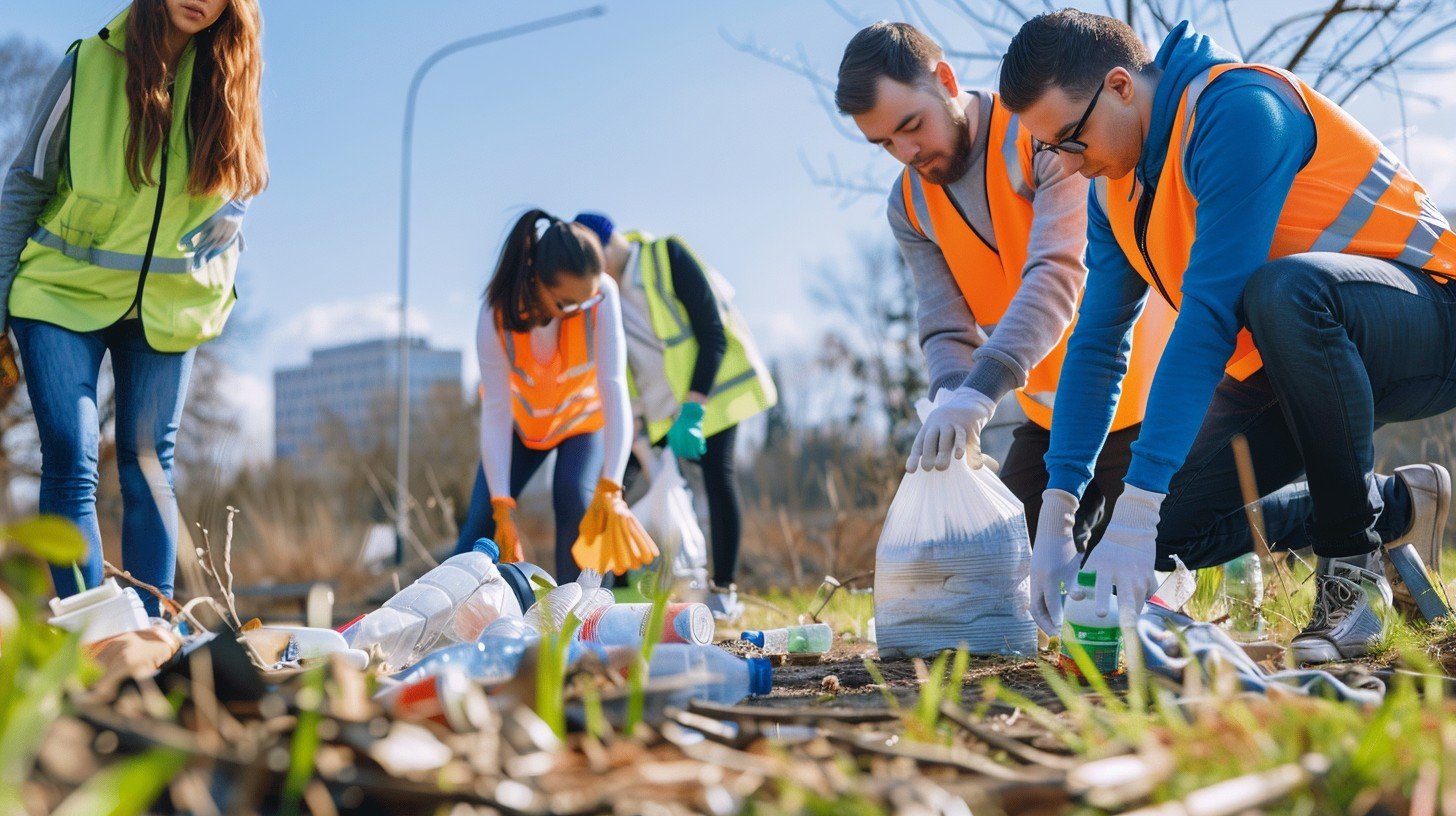
Every week, we haul our garbage to the curb, toss it into a dumpster, or drop it down a chute and then forget about it. Out of sight, out of mind. But here’s the truth: when we throw things “away,” they don’t really go away.
The trash we produce doesn’t disappear. It ends up in landfills, incinerators, or the environment, where it can contribute to pollution of soil, air, and water for decades or even centuries. This is not a small issue. Globally, humans generate over 2 billion tons of municipal solid waste each year.
The problem is massive but the solution starts small. Welcome to the Trash Challenge: a simple, practical way to rethink your household waste and reduce it step by step.
Why the Trash Challenge Matters More Than You Think
Waste is more than just a household inconvenience, it connects directly to major environmental issues:
- Plastic waste contributes to ocean pollution and harms marine life
- Landfills produce methane, a potent greenhouse gas
- Producing and disposing of goods consumes water, energy, and raw materials
- Incineration can release air pollutants and produce toxic ash if not properly controlled
Reducing household waste is not just about cleanliness, it supports climate action, resource conservation, and pollution reduction.
What Is the Trash Challenge?
The Trash Challenge is a simple weekly habit-building system:
- Count how many bags of trash you produce in a typical week
- Challenge yourself to reduce that number by one bag the following week
- Continue reducing gradually over time
- Track your progress and celebrate improvements
This is not about perfection or becoming “zero waste” overnight. It’s about awareness and gradual reduction.
What’s in Your Trash Bag?
Before reducing waste, it helps to understand what you’re throwing away. A typical household trash stream may include:
- Food scraps (spoiled food, peels, leftovers)
- Packaging (plastic wrap, snack packaging, cardboard)
- Disposable items (paper towels, napkins, single-use razors)
- Paper waste (junk mail, receipts)
- Broken or unused household items
- Clothing and textiles
- Single-use plastics (cups, utensils, straws)
Understanding your waste patterns makes reduction strategies much more effective.
Week-by-Week Tips to Reduce Trash
Week 1: Awareness & Audit
- Count your weekly trash output
- Identify your top waste categories
- Start a simple waste log
Week 2: Food Waste Reduction
- Meal plan before shopping
- Store food properly to extend freshness
- Freeze leftovers
- Start composting (home bin or local drop-off if available)
Week 3: Smarter Shopping
- Bring reusable bags and containers
- Choose products with less packaging
- Buy in bulk when possible
Week 4: Bathroom Swaps
- Switch to bar soap to reduce plastic bottles
- Use refillable personal care products
- Try reusable alternatives for common disposable items
Week 5: Single-Use Reduction
- Carry a reusable bottle, cup, and utensils
- Avoid plastic straws and takeaway extras
- Cook more meals at home
Week 6: Cleaning & Home Supplies
- Use reusable cloths instead of paper towels
- Refill cleaning products where possible
- Try simple DIY cleaners when appropriate
Week 7: Declutter & Reuse
- Repair items before replacing them
- Donate usable goods
- Upcycle or repurpose items before discarding
Make It a Family Activity
The Trash Challenge works well as a household or community activity:
- Track progress with a shared chart
- Do a weekly “trash sort” to understand waste
- Assign roles like “waste tracker” or “recycling checker”
- Celebrate milestones with non-wasteful rewards (like plants or experiences)
The Real Impact of Reducing Just One Bag
Let’s break it down:
- Reducing 1 trash bag per week = 52 fewer bags per year per household
- 1,000 households doing this = 52,000 fewer bags annually
While this is a simple estimate, it illustrates an important point: small reductions scale quickly when adopted widely.
Beyond Trash: Building a Waste-Wise Lifestyle
Once you start reducing waste, you may naturally explore deeper habits:
- Composting food scraps
- Buying secondhand goods
- Participating in swaps or repair programs
- Supporting local waste reduction policies
- Learning about circular economy systems
These steps help shift behavior from “disposal thinking” to “resource thinking.”
Progress, Not Perfection
The Trash Challenge is not about producing zero waste. It’s about becoming more aware of what you consume and discard—and gradually reducing unnecessary waste.
Each bag you remove from your weekly trash is a meaningful step toward a cleaner environment.
So start simple:
Count your bags. Reduce one. Then another. Keep going.
Ready to Begin?
- Count your weekly trash output
- Identify one area to reduce (food, packaging, or disposables)
- Set a goal to cut one bag next week
- Track and share your progress
Resources & References
- World Bank – What a Waste 2.0: A Global Snapshot of Solid Waste Management
https://openknowledge.worldbank.org/handle/10986/30317 - United Nations Environment Programme (UNEP) – Global Waste Management Outlook
https://www.unep.org/resources/report/global-waste-management-outlook - U.S. Environmental Protection Agency (EPA) – Sustainable Materials Management: Facts and Figures
https://www.epa.gov/facts-and-figures-about-materials-waste-and-recycling - U.S. Environmental Protection Agency (EPA) – Reducing Waste
https://www.epa.gov/recycle/reducing-waste-what-you-can-do - Ellen MacArthur Foundation – Circular Economy Overview
https://ellenmacarthurfoundation.org/topics/circular-economy-introduction/overview
