


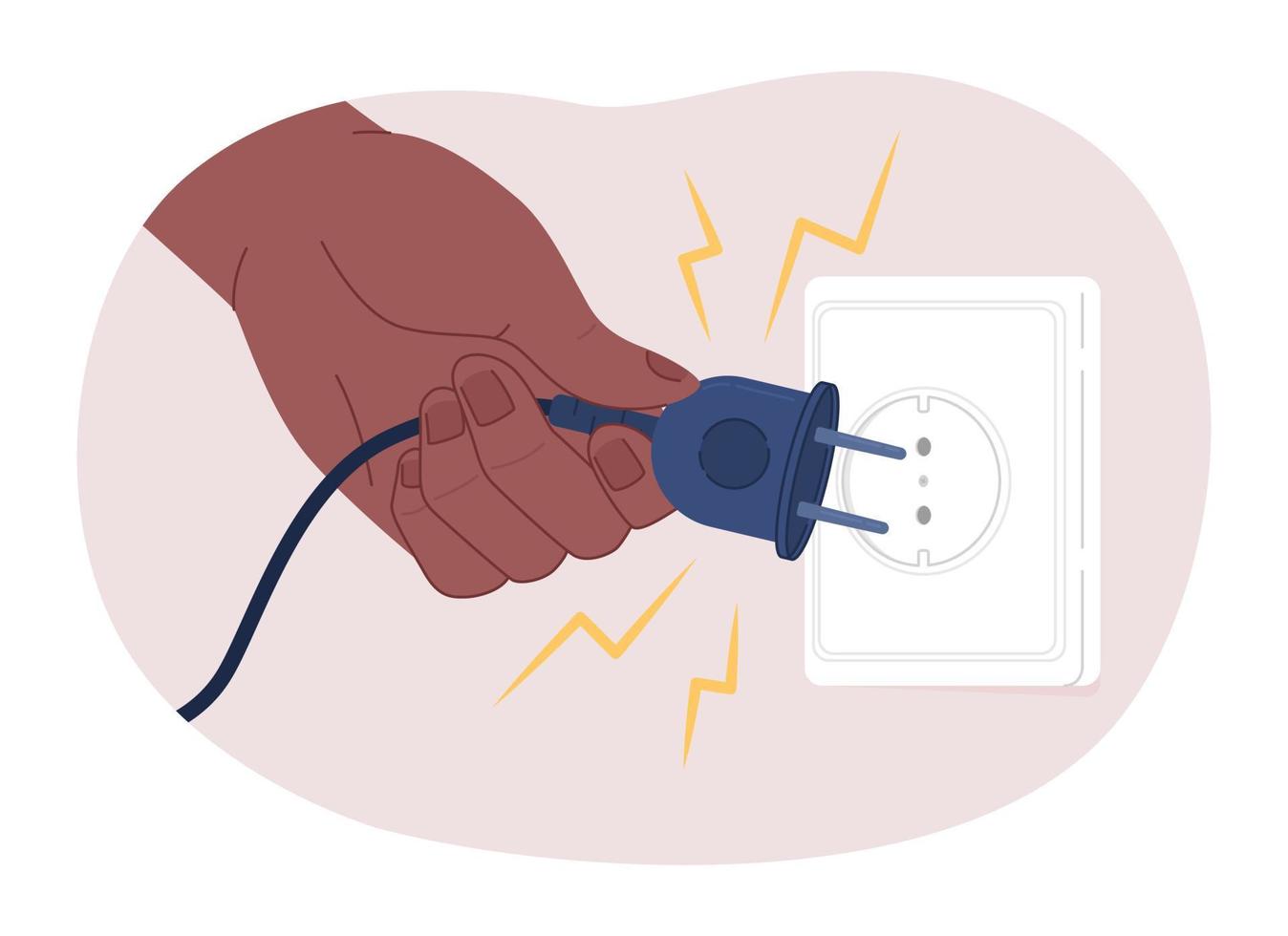
In today’s tech-driven world, our homes are filled with countless electronic devices, from kitchen appliances and entertainment systems to chargers and smart gadgets. Many of these devices make life easier, but there’s a hidden energy cost that often goes unnoticed: phantom electricity.
Phantom electricity, also known as standby power, is the electricity consumed by devices that are plugged in but not actively in use. These “energy vampires” quietly draw power around the clock, adding up to energy waste, higher electricity bills, and an unnecessary environmental footprint.
One of the easiest and most effective ways to reduce your household energy consumption is simply to unplug unused devices. This small change can lead to noticeable savings and a greener home. Let’s explore why unplugging matters, how it helps, and easy strategies to make it part of your daily routine.
What Is Phantom Electricity and Why Should You Care?
You might be wondering: if a device is turned off, why does it still consume energy? The answer lies in how many modern electronics are designed.
Many devices remain in standby mode to enable features such as:
- Instant-on functionality (such as TVs or gaming consoles powering up quickly)
- Maintaining clock displays and internal settings (microwaves, coffee makers)
- Powering remote controls and sensors
- Charging or maintaining small internal batteries in devices like wireless keyboards or cordless phones
Even though these devices aren’t actively being used, they still draw a small amount of power, often less than 1 to 10 watts per device, depending on the appliance. While this seems small, the impact adds up across many devices in a household over time.
How Much Energy Do Phantom Loads Consume?
According to the U.S. Department of Energy (DOE) and ENERGY STAR, standby power can account for roughly 5–10% of residential electricity use in many homes.
That means a portion of your electricity bill may be going toward powering devices you are not actively using.
For the average household, estimates suggest this can amount to around $100 or more per year in wasted electricity, depending on the number of devices, energy rates, and usage habits.
[Note: exact savings vary widely by household and region.]
Beyond financial costs, phantom energy use increases overall electricity demand, which is often still supplied in part by fossil fuels, contributing to greenhouse gas emissions.
Small Appliances, Big Impact
Kitchen appliances are some of the most common sources of standby power use because they are often left plugged in 24/7 for convenience.
Examples include:
- Coffee makers that maintain internal clocks or readiness modes
- Microwave ovens with digital displays that stay lit continuously
- Blenders, food processors, and mixers with standby or digital control features
While each device uses only a small amount of power individually, the combined effect across a home can be significant over time.
How Unplugging Helps: Environmental and Financial Benefits
1. Reduces Energy Consumption
Unplugging devices completely stops standby power use, eliminating unnecessary energy drain.
2. Lowers Your Electricity Bill
Reducing phantom loads can lead to measurable savings over time, especially in households with many electronics.
3. Decreases Carbon Footprint
Lower electricity demand reduces the need for energy generation, which can help reduce greenhouse gas emissions.
4. Supports Smarter Energy Use Habits
Unplugging encourages greater awareness of how and when energy is being used in the home.
Easy Ways to Reduce Phantom Power
1. Unplug Devices When Not in Use
Make it a habit to unplug small appliances and chargers when they are finished charging or not needed.
2. Use Power Strips or Smart Plugs
Power strips allow you to turn off multiple devices at once. Smart plugs add timers and remote control features for easier management.
3. Choose Energy-Efficient Devices
Look for ENERGY STAR-certified products, which are designed to reduce both active and standby energy consumption.
4. Set Reminders
Simple phone reminders can help build consistency until unplugging becomes routine.
5. Educate Your Household
Sharing the habit with family members increases impact and makes energy saving a shared responsibility.
A Small Step Toward a Greener Home
Unplugging unused devices is a simple, low-cost action that benefits both your wallet and the environment. While each device may only use a small amount of standby power, the combined effect across an entire home can be meaningful.
Next time you finish using your coffee maker, microwave, or blender, remember: unplugging helps reduce unnecessary energy use.
Ready to Make a Change?
- Start by unplugging one or two devices today
- Try using a power strip for grouped electronics
- Monitor your electricity bill over time to track changes
- Share the habit with friends and family to expand the impact
Resources & References
- U.S. Department of Energy (DOE) – Standby Power / Energy Vampires
https://www.energy.gov/energysaver/energy-vampires - ENERGY STAR (U.S. Environmental Protection Agency) – Standby Power and Savings Tips
https://www.energystar.gov/products/energy_star_home_tips - U.S. Environmental Protection Agency (EPA) – Energy Efficiency
https://www.epa.gov/energy - Georgia Power – Energy Saving Tips for Homes
https://www.georgiapower.com/residential/save-money-energy.html - University of Georgia Cooperative Extension – Energy Conservation Resources
https://extension.uga.edu/publications.html
