


What if you could grow fresh vegetables right in your kitchen without seeds, soil, or even a garden? It sounds like magic, but it’s actually a simple and satisfying practice called regrowing produce.
Many common vegetables you buy at the grocery store like green onions, romaine lettuce, bok choy, and celery can be regrown from kitchen scraps. It’s easy, rewarding, and beneficial for both your wallet and the environment. By regrowing food, you’re not just reducing grocery costs; you’re also helping cut down on packaging waste and food waste.
Let’s explore how to regrow store-bought produce, why it matters, and how you can get started with just a glass of water and a sunny windowsill.
🌿 Why Regrow Your Groceries?
Most produce in supermarkets travels long distances before reaching consumers. In the U.S., fresh produce can travel hundreds to over a thousand miles on average, depending on the item and season. This transportation, along with refrigeration and packaging, contributes to greenhouse gas emissions.
Regrowing produce helps in several key ways:
🌍 Environmental Benefits
- Reduces food transportation demand and associated emissions
- Cuts down packaging waste such as plastic wraps and bags
- Reduces food waste by using parts of vegetables that would otherwise be discarded
💰 Financial Savings
- Allows you to get additional harvests from vegetables you already purchased
- Helps reduce frequent repurchasing of staples like green onions or celery
🥗 Health & Lifestyle Benefits
- Encourages fresh food consumption and awareness of food systems
- Makes an easy educational activity for kids and beginners
- Provides a simple entry point into home gardening, even in small living spaces
🌱 How Does Regrowing Work?
Regrowing vegetables from scraps works because many plants still contain living cells and growing points (meristem tissue) at their base or stems. Under the right conditions, water, light, and warmth, these plants can produce new shoots and leaves.
You don’t need soil or special equipment to start. Many vegetables can regrow in water on a kitchen counter or windowsill.
🥬 What Produce Can You Regrow in Water?
Here are some of the easiest vegetables to regrow from kitchen scraps:
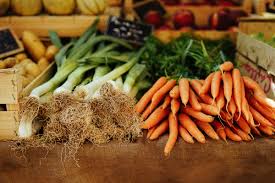
🧅 Green Onions (Scallions)
- How to regrow: Place the white root ends in a glass with roots submerged in water
- Care: Change water every 2–3 days; keep in sunlight
- Growth time: New shoots appear in 3–7 days
🥬 Romaine Lettuce
- How to regrow: Place the base (root end) in a shallow bowl of water
- Care: Change water regularly and provide indirect sunlight
- Growth time: Small leaves begin sprouting within a week
🥬 Bok Choy
- How to regrow: Place the base in water, similar to lettuce
- Care: After initial regrowth, transfer to soil for fuller growth
🌿 Celery
- How to regrow: Cut stalks about 2–3 inches above the base and place in water
- Care: Keep in bright light and refresh water frequently
- Growth time: New growth appears in 5–7 days
🧄 Garlic (Bonus)
- Garlic cloves can sprout green shoots when planted in soil. These are called garlic greens or scapes and are edible.
🌞 Tips for Success
- Use fresh scraps: Fresher bases produce better regrowth results
- Provide sunlight: A bright windowsill works best
- Change water often: Prevents mold and keeps plants healthy
- Move to soil when needed: Many vegetables grow longer-term and more fully in soil than in water alone
🌿 Bonus: Regrow Herbs and More
Many herbs can also be regrown from cuttings:
- Cut a 4–6 inch stem just below a leaf node
- Place in water and change water every few days
- Once roots develop (usually 1–2 weeks), transplant into soil
Herbs that commonly regrow this way include:
- Basil
- Mint
- Cilantro (more challenging but possible)
You can also experiment with leeks, fennel, and beet greens, which often show partial regrowth depending on conditions.
🌎 How Regrowing Food Helps the Planet
While regrowing food at home is small-scale, it contributes to broader sustainability benefits:
- Reduces demand for industrial food production
- Helps lower food waste entering landfills (which produce methane, a greenhouse gas)
- Encourages more awareness of where food comes from
- Supports more sustainable household habits over time
🌱 Small Scraps, Big Impact
Regrowing produce is one of the easiest sustainability practices you can try at home. It requires no garden, no expensive tools, and very little effort—just water, light, and patience.
And with each sprouting green onion or celery stalk, you’re not just growing food—you’re reducing waste and reconnecting with how food grows.
So next time you prepare vegetables, don’t toss those bases away. Try regrowing them instead.
Your kitchen, your wallet, and the planet will benefit.
📚 Resources & References
- USDA Economic Research Service – Food Loss and Waste
https://www.ers.usda.gov/food-loss-and-waste/ - U.S. Environmental Protection Agency (EPA) – Food Recovery Hierarchy & Food Waste
https://www.epa.gov/sustainable-management-food/food-recovery-hierarchy - Harvard T.H. Chan School of Public Health – Food Production and Climate Impact
https://www.hsph.harvard.edu/climate-change-food-production/ - University of Minnesota Extension – Regrowing Vegetables from Kitchen Scraps
https://extension.umn.edu/planting-and-growing-guides/growing-vegetables-kitchen-scraps - Royal Horticultural Society (RHS) – Regrowing Vegetables from Scraps
https://www.rhs.org.uk/vegetables/grow-your-own/kitchen-scrap-growing
