


If you’ve ever looked at your shower shelf and noticed the lineup of plastic bottles, you’re not alone. From shampoo and conditioner to body wash and face cleanser, bathrooms are often one of the biggest sources of single-use plastic in the home. Among those products, shampoo bottles are a major contributor to household plastic waste.
In the United States alone, it’s estimated that hundreds of millions of plastic shampoo bottles are discarded every year. Many of these end up in landfills or waterways, where they can take hundreds of years to break down.
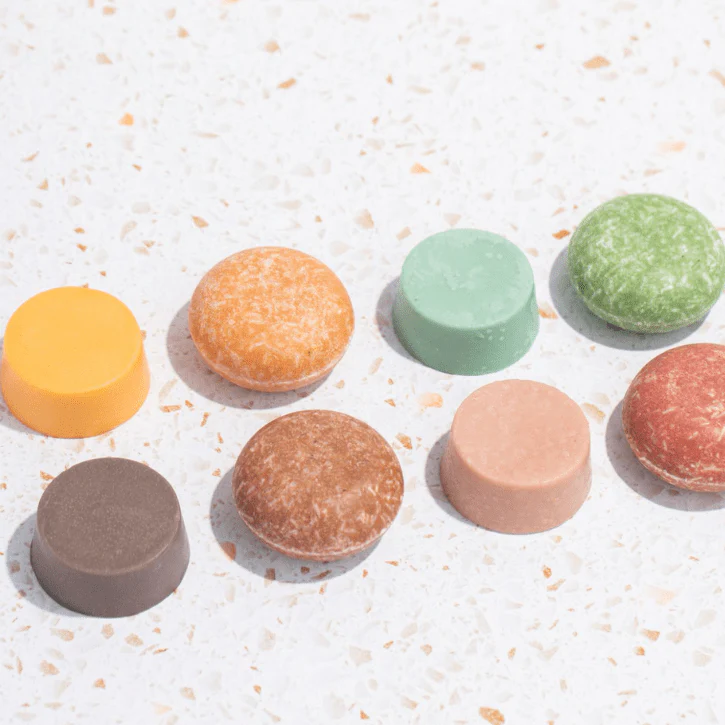
Fortunately, there’s a better alternative: shampoo and conditioner bars.
These compact, eco-friendly products are growing in popularity for good reason. Not only do they help reduce plastic waste, but they also tend to last longer, travel more easily, and often contain fewer unnecessary additives than traditional bottled products.
Let’s take a closer look at why switching to solid bars makes sense for both the planet and your personal care routine.
Why Switch? The Environmental Cost of Plastic Bottles
Our daily routines may feel small, but collectively they create a significant environmental impact.
The Problem with Plastic Shampoo Bottles
- Hundreds of millions of shampoo bottles are discarded annually in the U.S.
- Many plastic bathroom containers are not recycled due to mixed materials, contamination, or improper disposal.
- Plastic bottles can take hundreds of years to decompose.
- Plastic waste can break down into microplastics that pollute waterways and harm marine life.
The beauty and personal care industry also generates enormous amounts of packaging waste globally each year. By replacing even one commonly used product with a low-waste alternative, consumers can help reduce that burden.
How Shampoo and Conditioner Bars Help
Shampoo and conditioner bars offer several environmental and practical benefits.
1. Minimal or Plastic-Free Packaging
Most bars are packaged in:
- Recyclable cardboard
- Compostable paper
- Reusable tins or fabric wraps
This greatly reduces plastic waste compared to traditional bottles.
2. Longer Lasting
A single shampoo bar can often last as long as two or more bottles of liquid shampoo, depending on hair type and usage habits.
That means:
- Less packaging waste
- Fewer replacement purchases
- Lower shipping impacts over time
3. Lower Transportation Emissions
Because bars are lightweight and concentrated, they require less energy to transport compared to liquid products packaged in bulky plastic bottles.
4. Less Water in the Product
Liquid shampoos contain a high percentage of water. Solid bars are concentrated products, which reduces packaging and shipping weight.
5. Cleaner Ingredient Options
Many shampoo and conditioner bars contain biodegradable ingredients and avoid harsh chemicals such as:
- Sulfates
- Silicones
- Synthetic dyes
- Artificial fragrances
Many brands also offer vegan, cruelty-free, and palm oil–free options.
How to Use Shampoo and Conditioner Bars
Using solid bars can feel different at first, but the process is simple.
Shampoo Bar
- Wet your hair thoroughly.
- Wet the shampoo bar.
- Rub the bar directly onto your scalp or lather it between your hands.
- Massage into your hair and scalp.
- Rinse thoroughly.
To extend the life of the bar, allow it to dry between uses on a slotted soap dish or drying rack.
Conditioner Bar
- After shampooing, rub the conditioner bar between your hands or directly onto the lengths of your hair.
- Focus on the mid-lengths and ends.
- Leave it in briefly if needed.
- Rinse thoroughly.
It may take a few washes to determine the amount that works best for your hair type.
What to Look for in a Quality Bar
Not all shampoo and conditioner bars are the same. When shopping, consider the following factors:
Hair Type Compatibility
Choose formulas designed for:
- Oily hair
- Dry hair
- Curly hair
- Color-treated hair
- Sensitive scalps
Ingredient Quality
Look for nourishing ingredients such as:
- Shea butter
- Coconut oil
- Argan oil
- Cocoa butter
- Oat or rice protein
- Essential oils
pH Balance
A pH-balanced shampoo bar is less likely to dry out your scalp or leave buildup on your hair.
Ethical Standards
Consider brands that are:
- Cruelty-free
- Vegan
- Plastic-free
- Sustainably sourced
Some well-known brands include:
- Ethique
- HiBAR
- Lush
- Plaine Products
- Chagrin Valley Soap & Salve
If you have allergies or sensitive skin, it’s always wise to patch-test new products first.
Cost-Effective Over Time
Although high-quality bars may cost slightly more upfront, they often last much longer than bottled products.
Over time, many people find that:
- They buy hair products less frequently
- They reduce packaging waste
- They spend less overall on personal care products
Because bars are compact and spill-proof, they are also excellent for travel.
Tips for a Smooth Transition
If you’re switching from traditional shampoo and conditioner, these tips can help:
- Start with a sample size if available.
- Don’t judge cleanliness by foam alone—natural bars may produce less lather.
- Give your hair a few washes to adjust, especially if moving away from sulfates.
- Store bars away from standing water to help them last longer.
The Bigger Picture: Small Change, Big Impact
Switching to shampoo and conditioner bars may feel like a small lifestyle adjustment, but small choices add up when millions of people participate.
Reducing plastic packaging in personal care routines can help:
- Decrease landfill waste
- Reduce plastic pollution in waterways
- Lower transportation emissions
- Encourage companies to invest in sustainable packaging
You can multiply the impact by pairing this switch with other low-waste bathroom habits, such as:
- Bar soap instead of body wash
- Refillable deodorants
- Bamboo toothbrushes
- Reusable razors
- Plastic-free skincare products
Final Thoughts: Start with One Bar
You don’t have to live a perfectly zero-waste lifestyle to make a meaningful difference.
Switching to shampoo and conditioner bars is a simple, affordable, and effective way to reduce plastic waste while maintaining a healthy hair-care routine.
Sometimes sustainability starts with the smallest everyday habits. The next time you run out of shampoo, consider skipping the plastic bottle and trying a bar instead.
One small change really can make a big impact.
Resources & References
- U.S. Environmental Protection Agency (EPA) – Reducing Plastic Waste
- National Geographic – Plastic Pollution Facts
- Ocean Conservancy – Plastics in the Ocean
- University of Georgia Extension – Sustainable Living Resources
- Athens-Clarke County Recycling Division
- Zero Waste Europe – Reducing Bathroom Plastic Waste
- Environmental Working Group (EWG) – Personal Care Product Safety
