


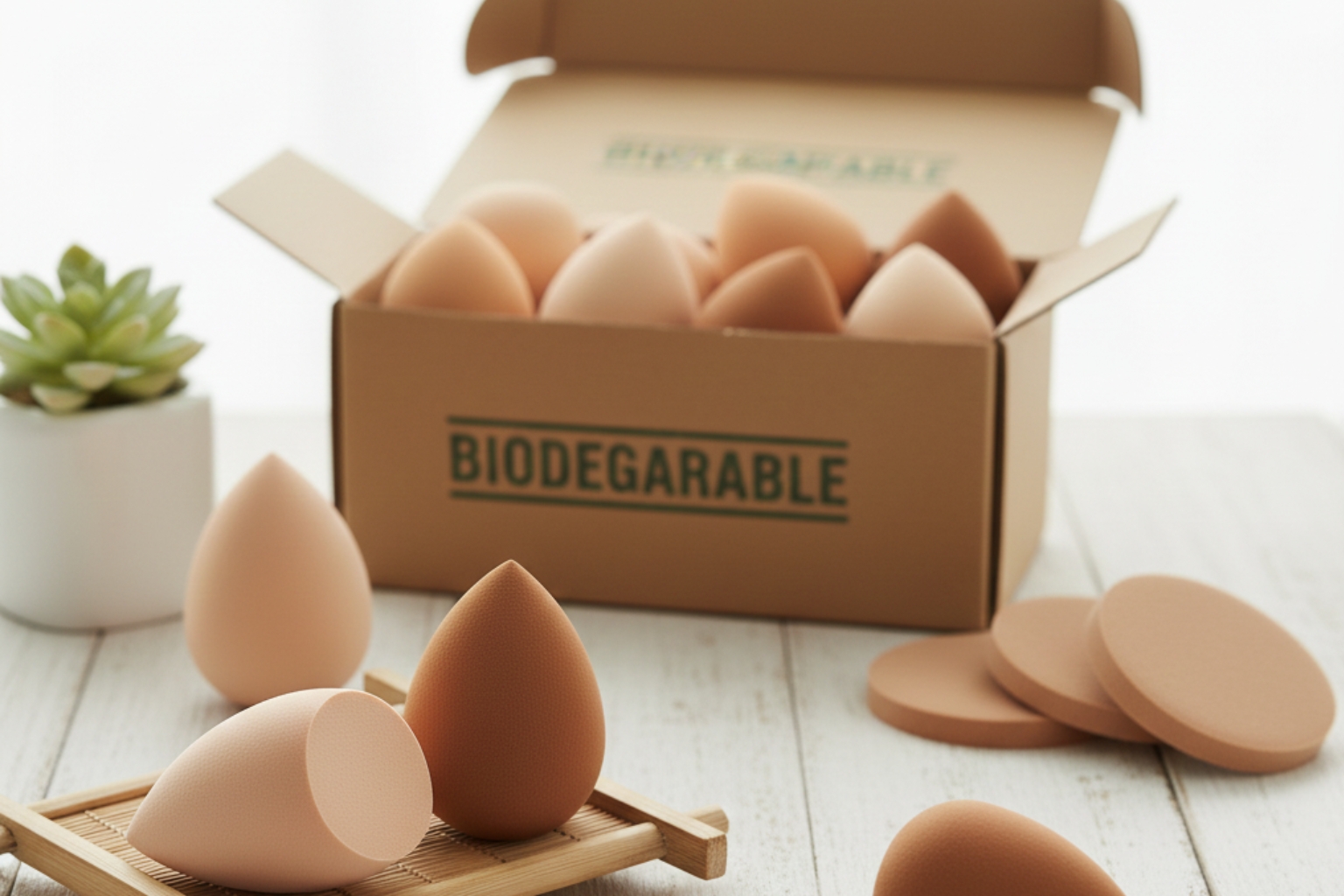
Makeup can be an empowering, creative part of self-care—but have you ever thought about what happens to your tools after they’re tossed?
Each year, the beauty industry generates billions of single-use plastic items, including cosmetic packaging, brushes, and—surprisingly—synthetic makeup sponges. In the United States alone, it’s estimated that over 500 million synthetic makeup sponges are discarded every year. Most of these are made from polyurethane or latex—materials that don’t biodegrade, leaching microplastics into landfills and waterways.
Fortunately, there’s a sustainable solution gaining popularity: biodegradable makeup sponges. Made from plant-based ingredients like konjac root or natural cellulose, these eco-conscious applicators offer a guilt-free way to perfect your makeup routine without harming the planet.
What Are Biodegradable Makeup Sponges?
Biodegradable makeup sponges are earth-friendly alternatives to conventional beauty blenders and cosmetic sponges. They’re designed to apply makeup just as smoothly but are crafted from materials that break down naturally in compost or soil environments.
Common Natural Materials Used:
- Konjac root – A starchy, fibrous plant native to Asia, traditionally used in skincare.
- Natural cellulose – Plant-based fiber made from wood pulp or cotton.
- Sea sponge – A renewable marine organism that’s harvested responsibly.
- Cornstarch or bamboo fibers – Used for hybrid eco-blenders or puff-style applicators.
These materials are biodegradable, non-toxic, and often gentler on skin than synthetic options.
The Environmental Problem with Conventional Sponges
Conventional makeup sponges—like popular beauty blenders—may feel soft and harmless, but they’re made from petroleum-based polyurethane or latex, both of which have serious environmental drawbacks.
The Issues:
- Not recyclable or compostable
- Take hundreds of years to decompose in landfills
- Often dyed with chemical pigments
- Can release microplastics during use and washing
- Frequently packaged in non-recyclable plastic
A single sponge used for just a few months contributes to long-term plastic pollution. Now imagine the environmental toll of millions of beauty lovers replacing them every few months.
Why Choose Biodegradable Makeup Sponges?
Switching to biodegradable options isn’t just good for the environment—it’s better for your skin, wallet, and conscience.
1. Reduces Plastic Waste
Biodegradable sponges break down in compost within weeks to months (depending on the material), leaving behind zero microplastic residue.
2. Cleaner, Gentler Application
Many natural sponges are hypoallergenic and antibacterial by nature, helping reduce breakouts and skin irritation.
3. Renewable & Sustainable Materials
Konjac, cellulose, and sea sponges are rapidly renewable, grown or harvested with minimal ecological footprint.
4. Cost-Effective in the Long Run
Though some eco-friendly options cost slightly more upfront, they often last just as long—or longer—than synthetic versions, especially when cared for properly.
5. Minimal, Compostable Packaging
Most biodegradable sponge brands use plastic-free or recyclable packaging, helping to reduce overall beauty industry waste.
How to Use a Biodegradable Makeup Sponge
Using a biodegradable sponge is just like using a regular one—with a few minor adjustments depending on the material.
For Konjac Sponges:
- Soak before use (they arrive dry and hard).
- Squeeze out excess water.
- Use to apply liquid or cream foundation, BB cream, or skincare products.
- Rinse thoroughly and hang to dry after each use.
For Cellulose or Eco Foam Sponges:
- Dampen slightly for a dewy application.
- Use dry for powder products.
- Wash with gentle soap weekly.
Pro Tip: Replace every 1–3 months, or as recommended by the brand. Compost used sponges if made entirely from natural materials.
What to Look for When Buying
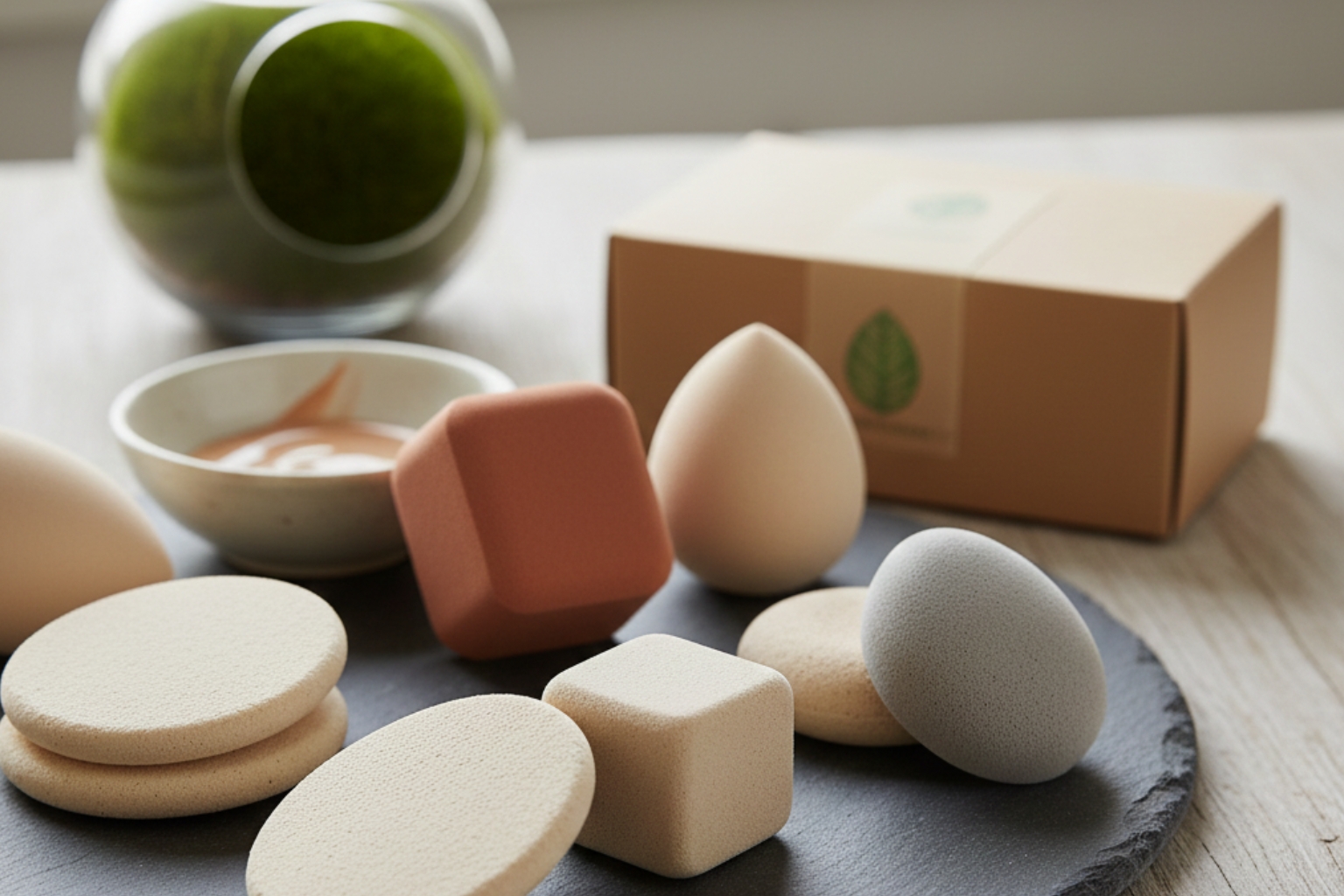
To ensure you’re getting a truly sustainable product, check the following:
Ingredients
- 100% konjac root, natural cellulose, sea sponge, or biodegradable corn starch
- Avoid synthetic dyes, fragrances, or foam fillers
Packaging
- Plastic-free, recyclable, or compostable boxes
- Minimal design with clear sustainability claims
Certifications (optional but helpful)
- Vegan
- Cruelty-free
- Compostable certified packaging
- Zero-waste or carbon-neutral operations
The Bigger Picture: Beauty With a Purpose
Every small change matters, especially when multiplied across millions of people.
By switching to biodegradable makeup sponges, you help:
- Divert plastic from oceans and landfills
- Protect marine life from microplastic ingestion
- Reduce demand for petroleum-based products
- Model conscious consumerism for others in your circle
Sustainability in beauty isn’t about perfection—it’s about intention. Even one tiny swap in your routine can have a long-lasting impact on the health of our planet.
Bonus Tips for an Eco-Friendly Beauty Routine
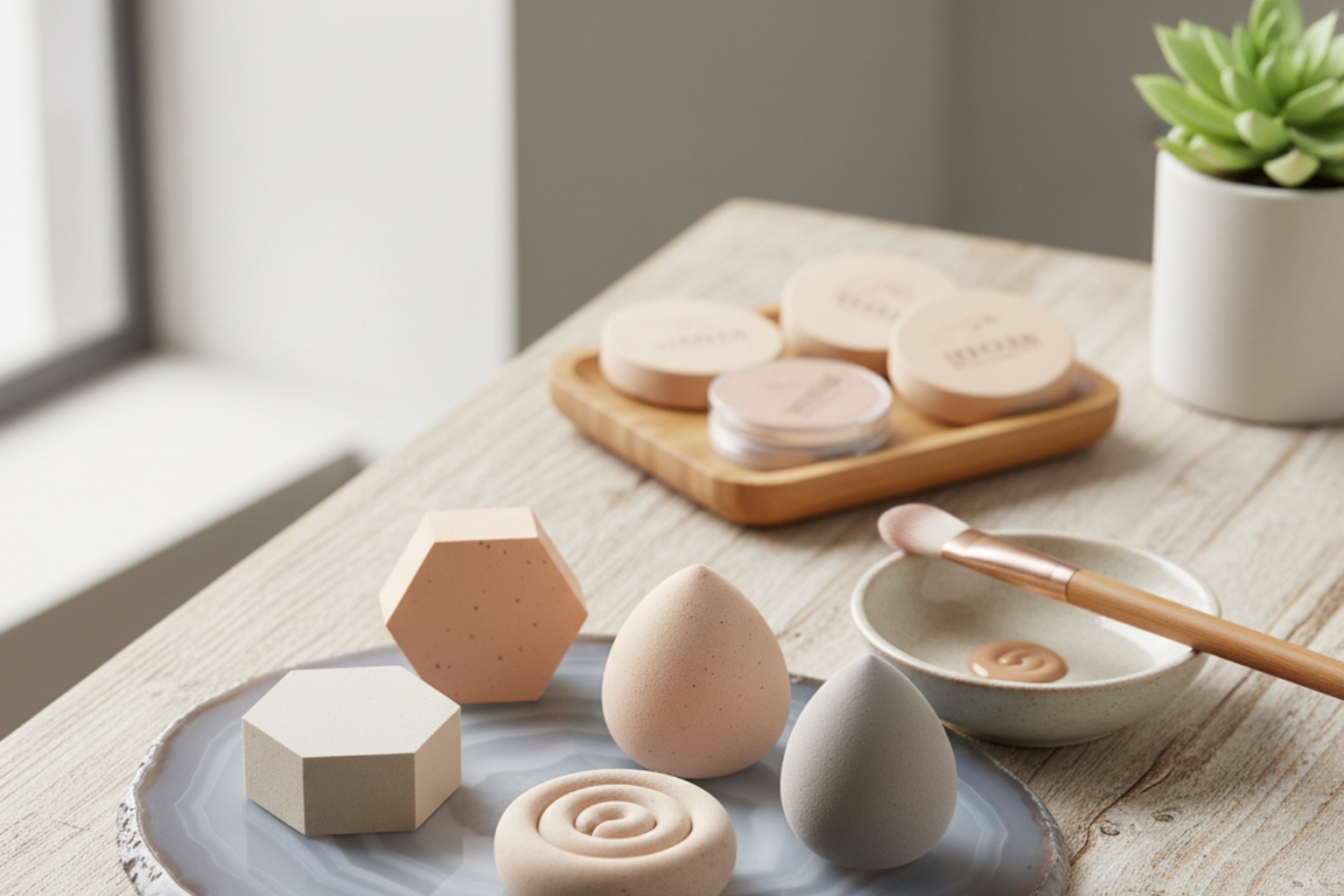
Ready to level up your entire beauty kit? Consider pairing your biodegradable sponges with:
- Refillable or recyclable makeup containers
- Plastic-free cotton swabs or rounds
- Organic, cruelty-free cosmetics
- Reusable applicators and brushes with bamboo handles
A Cleaner Blend, A Cleaner Planet
Biodegradable makeup sponges are a simple, effective, and beautiful way to support the environment while looking your best. Whether you’re a makeup pro or a skincare minimalist, this tiny upgrade can help reduce your carbon footprint—one blend at a time.
You don’t have to give up your routine—you just have to rethink it.
